


09-21-25

Questions To Ask Before Applying For Nissan Credit

Applying for vehicle financing can feel like a big step, especially if it's your first time going through the process. Whether you're buying your very first car or looking to upgrade to a newer model, Nissan car financing can make driving off in a new ride more realistic. But before signing any documents, it’s smart to slow down and ask a few questions. Getting clear on things ahead of time helps avoid surprises and keeps you in control of your budget.

The fall season on Long Island is a popular time for drivers to shop around, especially with cooler weather and end-of-year promotions starting to pop up. But no matter when you’re looking, preparation is key. Financing a car isn’t just about getting approved, it’s about finding a plan that makes sense for your current life and your future goals. That means thinking through your numbers, your credit situation, and your long-term expenses before committing to anything.

Determine Your Budget

The easiest way to feel confident heading into a financing conversation is to know your numbers before you walk in. This doesn’t mean running calculations like a math whiz, it just means setting some boundaries for yourself.

Start with your monthly income and subtract your fixed expenses like rent, utilities, food, and any other loan payments. What you're left with is the amount you can reasonably put toward a car each month without stretching things too far. Be honest about what you’re comfortable spending because what looks okay on paper can feel different once the bill hits every month.

From there, think about what kind of loan term matches your lifestyle. A longer term might mean lower monthly payments, but it could increase your total loan costs. A shorter term might cost more monthly, but you'll pay it off faster and usually with less interest overall. It’s all about balance.

Don't forget the down payment either. The more you can put down up front, the less you'll need to borrow. A higher down payment lowers your monthly cost, reduces interest in the long run, and could improve your approval odds.

Here’s a simple list to help you figure out your starting point:

  • Set your max monthly car budget based on real expenses
  • Decide on a down payment amount you're comfortable paying
  • Think about how long you’d like to be making payments
  • Leave room for ownership costs like fuel, maintenance, and insurance
  • Use a car loan calculator to estimate affordable vehicle prices

Once you’ve nailed down these basics, your car financing options suddenly make a lot more sense.

Understand Your Credit Score

Your credit score plays a big part in shaping your car financing experience. Lenders look at this number to figure out how likely you are to repay the loan. The better the score, the easier it usually is to get approved, and the more likely you’ll get offered lower interest rates. But even if your credit isn’t perfect, don’t panic, you’ve still got options. You just need to go in knowing where things stand.

Checking your credit score before applying helps you avoid surprises. You can grab a free report from one of the major credit bureaus and see exactly what lenders will see. Look for any old, unpaid balances, incorrect information, or inconsistencies. These little things can chip away at your score without you realizing it.

A good rule of thumb is that if your score is on the lower side, it might be worth holding off for a bit while you work to boost it. Simple steps like paying bills on time or reducing your credit card balances can make a difference over a few months.

One example to consider is someone with less-than-ideal credit who rushes into a high-interest loan just to get a car off the lot. Their payments end up being way more than expected, and now they’re stuck making them for years. A little patience and clean-up beforehand could’ve opened doors to better loan terms.

Ask yourself:

  • What is my current credit score?
  • Are there errors on my report that I can fix?
  • Do I have any outstanding debts that I can pay down?
  • Can I wait a bit to apply while improving my score?
  • How will my credit affect my interest rate and monthly payment?

Knowing the answers to these questions gives you a better grip on what to expect, and it’ll keep you from agreeing to something that doesn’t truly fit your situation. Making thoughtful moves here can help the rest of the process go a lot smoother.

Explore Financing Options And Interest Rates

Once you’ve got your credit picture and budget lined up, the next step is figuring out what types of loan options are available. Not all car loans are the same, and knowing the differences can help you pick the one that fits your comfort level.

Loan terms can vary widely. Some loans are short, like 24 months, while others stretch out to 72 months or more. Longer terms usually mean lower monthly payments, but they can also come with higher interest costs. On the flip side, shorter terms may feel a bit heavier each month, but you could end up paying less overall.

Interest rates can really move the needle when it comes to how much your car actually costs in the end. This is where your credit score plays a direct role. Stronger credit often means better rates. Still, don’t just accept the first rate you’re given. It’s worth comparing quotes from multiple sources so you can see the full range of options.

Here are a few questions to help you sort through your financing choices:

  • What is the total amount I’ll pay over the life of the loan?
  • How does the interest rate impact my monthly payment and long-term cost?
  • Can I pay the loan off early without penalties?
  • Is a fixed or variable interest rate available, and which is safer for me?
  • What kind of loan term fits best with my budget and projected income?

Taking time to ask about these details upfront gives you a clearer view of your choices so you don’t feel stuck later on.

Ask About Additional Costs And Fees

Once a loan structure looks good on paper, make sure there aren't sneaky fees hiding in the fine print. Extras like documentation fees, application fees, or late payment penalties can add to your expenses without much warning. The loan itself might feel affordable until these hidden charges start stacking up.

Some lenders might charge origination fees to set up the loan, which gets rolled into the total amount you owe. You’ll want to know this ahead of time. Ask specifically about anything that could affect your monthly payment or the amount you need to bring on the day you sign the paperwork.

Also, be clear on whether the loan includes optional add-ons, like service contracts or insurance packages. While some people want these extras, you shouldn’t feel pressured to accept them. Only agree to what makes sense for your plan and your vehicle.

Here’s what to ask your financing team before making a decision:

  • Are there any upfront fees included in the loan?
  • Will I be charged if I pay off the loan early?
  • Are late payments penalized, and how much?
  • Are there any extras bundled into the loan I didn’t request?
  • Can I see a full breakdown of monthly and overall costs?

Asking these questions helps clear up the big picture. You don’t want to find out after the fact that you’re on the hook for fees that were never explained.

Secure Pre-Approval And Prepare For What’s Ahead

Getting pre-approved for car financing before heading to the dealership can take a lot of stress out of the process. With pre-approval, you know how much you can borrow, what your terms might look like, and roughly how much your monthly payments will be. It's like walking in with a plan already in hand rather than starting from scratch at the counter.

Pre-approval also gives you a chance to iron out any issues ahead of time. If something doesn’t look right in your application or if your credit score needs work, you can handle those things before you're in full car-buying mode. That prep time matters, especially in a fast-moving buying process where pressure can kick in fast.

Thinking long-term also matters. Your loan might be active for many years, so it’s good to make sure you’re ready for the commitment. The goal is to make payments without sacrificing other parts of your life.

Tips for staying on track after financing:

  • Set up automatic payments to avoid missing due dates
  • Build a small emergency fund to handle repairs or unexpected costs
  • Keep review of your budget as a monthly habit
  • Avoid adding other big loans, like credit card debt, while paying off your vehicle
  • Revisit your loan documents at least once a year to stay familiar with terms

Doing a little extra planning can set the tone for a smoother ownership experience, especially if your plans or income change over time.

Making an Informed Decision with Nissan 112

Buying a car is a big move, especially when it involves taking on a loan. Asking the right questions before applying for Nissan car financing gives you room to make smarter choices, instead of rushing through something that doesn’t fully work for you. The more transparent you are with yourself, and with the people helping with your financing, the better results you’ll see both short-term and long-term.

From understanding how interest rates add up, to checking your credit, and even knowing where hidden fees might show up, every part of the process matters. It might take a few extra conversations and some careful reading of the paperwork, but peace of mind is well worth the effort. Clear answers today can help keep future headaches off your road.

Navigating car financing doesn't have to be complicated. If you've got your questions ready and your budget mapped out, you're already on the right path. At Nissan 112, we're here to make this journey as smooth as possible. Whether you're eyeing a brand new or pre-owned vehicle, see how Nissan car financing can work for your lifestyle and budget. Our team is ready to help you explore the best options available. Let’s get you behind the wheel of your Nissan today!

Read More
CATEGORIES »
TAGS »

09-21-25

Unusual Noises Your Nissan Shouldn’t Make

Hearing something strange while driving can throw off your entire day. One minute you’re just heading to work or picking up groceries, and the next you're cranking down the radio to figure out what that weird noise was. Most noises don’t come out of nowhere. They’re often your vehicle’s way of trying to tell you something is up. Understanding what these sounds mean can help you stay safe and avoid bigger problems later.

If you drive a Nissan on Long Island roads, you're probably used to seasonal wear and tear from city and highway driving mixed with unpredictable weather. Bumps, potholes, start-and-stop traffic, and salt buildup all take a toll over time. Some of the noises your car makes might seem like background hum, but others are warning signs. Catching those signs early is one of the smartest things you can do as a driver.

Common Unusual Noises and Their Meanings

Cars can make all kinds of sounds, but not every sound is normal. When your Nissan starts speaking in strange squeals, clunks, or hisses, it could be a sign something needs to be looked at. Here are a few noises you shouldn't ignore:

1. Squealing Brakes

If you hear a high-pitched squeal when braking, that could mean your brake pads are worn down. Brake pads come with a built-in alert tab that starts squealing when they need attention. It's the car’s way of saying, “Don’t forget about me,” before it turns into a more expensive fix or risky situation.

2. Rattling Beneath the Car

A metal-on-metal rattle, especially while driving over uneven surfaces, is usually a signal that something is loose underneath. This could be anything from a loose heat shield to a problem with the exhaust system. Small rattles can lead to larger problems if ignored too long. This is one you’ll want to get checked as soon as possible.

3. Hissing from Under the Hood

A soft hiss isn’t something you hear every day, so it’s usually easy to notice. This could mean a vacuum leak or even fluid dripping onto a hot engine part. If you pop the hood and see steam or smell something burnt, stop driving and get it looked at. Playing guessing games with engine temperatures can end badly.

4. Knocking or Pinging Sounds from the Engine

When an engine knocks, it sounds like someone tapping rapidly on metal, usually getting faster as the car accelerates. Knocking can point to trouble with how the engine’s fuel is burning. It might be caused by low-quality fuel, worn spark plugs, or something deeper inside the engine. This isn’t the kind of sound to ignore.

5. Clicking When Turning the Wheel

A clicking noise, especially when you’re turning at low speeds, can be a sign that your CV joint is wearing out. The CV joint helps power your wheels while allowing them to steer. Once it starts clicking, you’re at risk of losing smooth handling. It’s much better to fix it before the joint snaps.

Noise tells a story. If your car has started making one of these sounds, it’s best to listen and act quickly. Even minor sounds can point to parts wearing down or failing, and the longer you wait, the more those fixes can snowball into something serious. On Long Island, where weather and road conditions work your car extra hard, unusual noises shouldn't be brushed off. Addressing them early helps keep your ride safer and saves time and money.

Why Ignoring Noises Can Be Costly

It’s tempting to shrug off a weird clunk or squeal as something minor, especially if your car still seems to be running fine. But strange noises are rarely isolated issues. They often show up as early warnings before more serious damage takes hold. The longer you go without having the problem checked, the greater the chance it takes a bigger toll on your Nissan.

That squealing you heard a couple of weeks ago? It might have been an easy brake pad replacement. Letting it go could wear the rotors, damage the calipers, and turn what could’ve been a simple fix into a full brake system job. The same goes for engine knocking or rattling underneath. What starts as one small part wearing out may end with several components needing attention at once.

Ignoring these noises doesn’t just drain your wallet. It can put your safety at risk too. A worn-out CV joint or failing exhaust system can mess with your control on the road. Some drivers find themselves stuck in heavy traffic or merging onto highways when their car should have been in a shop days earlier. Making time to have things inspected as soon as you hear something odd often prevents that kind of unexpected stress.

What to Do if You Hear an Unusual Noise

When your Nissan starts making a sound that doesn’t belong, staying calm can help you gather more clues. Try to notice when the sound happens and what you’re doing when it shows up. Is it during braking, turning, or while speeding up? These little details go a long way when figuring out what’s going wrong.

Here’s a quick checklist for what to do next:

1. Turn down your music or AC so you can better hear the sound.
2. Try to identify where it’s coming from—front, back, under the hood, or underneath the car.
3. Pay attention to how the car feels while driving. Are there vibrations or changes in how it handles?
4. Don’t wait for the noise to get worse. It usually does.
5. Schedule a Nissan service in Long Island before something small becomes a bigger issue.

Getting ahead of a repair keeps things manageable. Even if it turns out to be something minor, you’ll drive with more confidence knowing your car is in good shape. Waiting to see what happens usually adds risk—and road side problems—that most drivers would rather avoid.

Keeping Your Nissan Quiet and Comfortable

Staying ahead of unwanted noises starts with preventive care. Regular service can catch small issues before they grow into larger ones. Most strange sounds begin with normal wear and tear. Spotting them early helps avoid breakdowns and lets your Nissan stay smooth and dependable.

You don’t need to guess when service is due. Changes in sound, steering, or dashboard lights can all be early signs. Pair that awareness with basic checkups like these:

  • Rotate your tires and inspect the tread
  • Replace brake pads before they’re too thin
  • Check oil levels and other fluids between visits
  • Talk to your technician about belts and hoses
  • Get your suspension and steering parts inspected yearly

Long Island roads put your car through a lot—rain, salt, potholes, and traffic backups all play a role. As summer shifts to fall, now’s a good time to have noise-related issues checked before winter kicks in with another round of challenges.

A smoother ride starts with listening and doing something about what you hear. It not only helps your car last longer, it makes every trip more comfortable for you and your passengers.

Quiet Your Ride With Quality Care at Nissan 112

Every strange noise is your Nissan’s way of trying to get your attention. You don’t need to be a car expert to notice when something sounds off. The important part is what you do once you hear it. Taking early action makes all the difference down the road.

Whether you’ve been hearing an odd squeal for weeks or just noticed a new rattle today, getting it checked right away can help avoid bigger problems. Keeping your car safe and solid on Long Island roads starts with listening—and then booking a trusted inspection.

Keep your Nissan running smoothly by addressing unusual noises early. For expert evaluations and to ensure your car remains reliable on Long Island roads, explore our Nissan service in Long Island. Let the team at Nissan 112 help keep your driving experience quiet and trouble-free.

Read More
CATEGORIES »
TAGS »

09-21-25

First-Time Buyer’s Road To Nissan Ownership

Getting ready to lease or buy your first car is exciting, but it can also feel like a big step. You’re trying to figure out what fits your lifestyle, what you can afford each month, and where to even begin. For lots of first-time shoppers on Long Island, leasing a Nissan is one way to ease into car ownership without committing long term right out of the gate.

The good news is, the process is more straightforward than it seems. Leasing helps you get behind the wheel of a brand-new car with less upfront pressure than a purchase. Whether you're headed to work in Patchogue or taking weekend trips out east, picking the right lease plan and model makes all the difference. If you're new to all of this, no problem. Here's a clear breakdown to help get you from thinking about a car to feeling the keys in your hand.

Understanding Lease Deals

Leasing is kind of like renting a car, just for a longer stretch, usually a few years. You agree to drive it for a set amount of miles and then bring it back at the end of your lease. It’s a popular option for drivers who want a newer car without paying full price for it.

When you're leasing, there are a few terms you’re going to run into. Understanding them will help you figure out what works for you:

  • Lease Term: This is how long you’ll have the car, most often 24 to 36 months
  • Mileage Limit: Your lease will come with a set amount of miles you’re allowed to drive each year. Going over this can cost you, so plan based on your daily habits
  • Residual Value: This is how much the car is predicted to be worth when the lease ends. A higher residual value usually means lower monthly payments
  • Money Factor: This is similar to an interest rate and affects how much you pay each month

One of the biggest reasons people lease is the chance to drive a car that’s new, clean, and packed with modern features. It usually comes with lower monthly payments compared to buying, and you don’t need to worry about resale value later on. For drivers who like changing cars every few years or prefer lower upfront costs, it's a solid option.

That said, leasing isn’t for everyone. If you plan to drive a lot of extra miles, keep the car for a decade or more, or add your own custom touches, buying might be a better fit. But for first-timers on Long Island looking to ease into ownership with fewer maintenance responsibilities and more flexibility, leasing a Nissan is a smart place to start.

Choosing The Right Nissan Model

Picking a Nissan starts with asking yourself some real-life questions. How many passengers do you usually have? Do you need cargo space for gear or tools? Are you driving mostly around town or on longer stretches across Suffolk County?

Here are some well-known Nissan models worth checking out if you're considering leasing on Long Island:

1. Nissan Altima – A practical midsize sedan that’s smooth to drive and works well for commuters
2. Nissan Rogue – A small SUV that’s comfortable, roomy, and great for small families or those needing extra space
3. Nissan Sentra – A compact car with smart features, good for students or drivers who want something simple and efficient
4. Nissan Frontier – A midsize pickup that offers enough strength for weekend jobs or light-duty towing

Each of these models gives you a mix of comfort, modern features, solid fuel economy, and a smooth ride. A first-time buyer might be especially interested in tools like push-button start, smartphone integration, or driver-assist technology that takes some pressure off busy driving days.

Think about your daily routine and any future changes you see coming. Leasing lets you test out a model without locking yourself into it long term. If your life shifts in a few years—maybe you land a new job, expand your family, or move—you’re not tied to a car that no longer matches your needs.

Navigating The Lease Process

Once you’ve picked the Nissan that fits into your lifestyle, the next step is getting familiar with how the lease process works. For first-time buyers, this can seem like a puzzle at first, but it gets easier once you know what to expect.

Start by rounding up what you’ll need to get things moving:

  • A valid driver’s license
  • Proof of income
  • Proof of residence like a utility bill or lease agreement
  • Auto insurance coverage info
  • Your credit history or score

Your credit score plays a big role in what kind of lease terms you’re offered. Higher scores often qualify for better monthly payments. But don’t worry if your score isn’t perfect—just know where it sits so you’re prepared. Some dealerships are flexible and may offer suggestions to help improve your terms.

When it’s time to go over the paperwork, take it slow. Make sure you read everything and ask about details like end-of-lease fees, early return clauses, repair responsibilities, and what counts as normal wear and tear. If there’s something that doesn’t make sense, speak up.

Don’t be shy about asking what kind of promotions or flexible lease packages might be available. You don’t need to accept the first offer you hear. Drivers in Long Island often lease during key times of year, like early fall, to take advantage of seasonal incentives and get into a dependable car before winter weather hits.

Staying informed during these first steps helps the rest of the process feel more smooth and less rushed.

Benefits Of Leasing With Nissan 112 in Long Island

There’s something reassuring about working with a dealership that knows the community it serves. At Nissan 112 in Patchogue, we understand what Long Island drivers need—because we live here too.

Whether you’re commuting across Island highways or enjoying weekend drives to the coast, leasing gives you the vehicle flexibility to match. Lower upfront costs, newer models, and manageable lease terms help first-time drivers ease into the responsibilities of owning a vehicle without the full long-term commitment.

Here's why Long Island drivers often choose to lease:

1. Lower down payment and predictable monthly payments
2. Ability to enjoy newer models with fresh technology
3. No need to worry about resale or trade-in value
4. Lease terms often match up with warranty coverage
5. Easier return process when it’s time to switch vehicles

At Nissan 112, we’re happy to walk you through every step, answer questions before and after the agreement, and keep your experience low stress from day one. We have a wide range of brand-new Nissans to choose from, each with different lease plans to fit your lifestyle.

We also regularly feature Nissan lease deals in Long Island, making it even easier to get into a reliable ride that fits your budget.

Making It Count Behind the Wheel

Picking up your first lease and getting in the driver's seat of a new Nissan feels like a fresh start. The seats are clean, the tech is shiny, and the drive has that perfect balance of smooth and responsive. But what really makes it worthwhile is how well you look after it.

Leasing a car means keeping up with basic care and being mindful of how many miles you rack up. Stay ahead of maintenance, keep your interior and exterior in good shape throughout the seasons, and keep track of your mileage. The goal is to avoid surprise charges when it’s time to return the car.

Here are a few simple habits we’ve seen help our Long Island drivers:

  • Recheck your lease terms after a few months as a reminder
  • Use your calendar to track oil changes and service appointments
  • Watch your mileage and adjust your driving if needed
  • Keep service records organized in your glove box
  • Call or stop in if anything doesn’t feel right during your lease

Roads here can be full of surprises—from traffic on the LIE to salt-covered streets in winter. Having a car that’s clean, safe, and well-serviced makes each trip more enjoyable and less stressful.

And once your lease is up, you’ll be that much more prepared for your next automotive decision—whether that’s leasing again or making the move to ownership. Either way, you’ll know the process, what to expect, and what works best for your life.

Ready to explore the freedom and flexibility of leasing? Check out the latest Nissan lease deals in Long Island and find the right fit for your lifestyle. At Nissan 112, we're here to make your first leasing experience simple, stress-free, and tailored to your needs. Reach out to us today and step into a brand-new ride with confidence.

Read More
CATEGORIES »
TAGS »

09-14-25

Quick Guide To Nissan Down Payment Options

Buying a car is exciting, but figuring out the down payment can feel like the part nobody wants to talk about. It’s one of the first big steps in the process, and while it might seem like a hurdle, the good news is there’s not just one way to handle it. Whether you're planning to buy a new or used Nissan, there are multiple down payment choices available, and some of them might surprise you.

Long Island drivers have different needs, budgets, and trade-in situations. That’s why understanding how down payments work can actually help you get into the right car faster and with fewer surprises. If you’ve been curious about how much you might need to put down or what happens if you don’t have anything to put down at all, keep reading—this quick breakdown will help clear things up.

Nissan Financing Basics

Financing a car means you're taking out a loan to help pay for it. Instead of handing over the entire cost of the vehicle up front, you agree to pay off the balance a little bit at a time. Those payments are made monthly and continue until the loan is paid off in full. It’s the most common way people buy vehicles today because it breaks the cost into pie-sized pieces instead of one big slice.

One part of that loan setup is the down payment. This is the upfront cash or value you bring to the table at the start. It helps reduce the amount you need to borrow, which can make those monthly payments a bit more manageable. It also shows the lender you’re committed to the purchase.

Lenders typically look for some kind of down payment when figuring out your loan terms. The more you put down, the better your options usually are. Loan terms, interest rates, and the amount you owe over time often improve if you start with more skin in the game. But don’t worry—there are also ways to make things work with less cash on hand, which we’ll get into next.

If you’ve never financed a car before, it’s natural to have a few questions. Maybe you’re wondering if your trade-in counts toward your down payment (it can), or if you need perfect credit to have options (you don’t). Financing isn’t one-size-fits-all. That’s why knowing your choices makes a big difference when it’s time to sign anything.

Standard Down Payment Options

Most buyers go the traditional route and make a standard down payment when financing their car. It’s a simple setup: you put a portion of the car’s price down now, then finance the rest. This option works well if you’ve saved up and want stable, predictable payments.

Here’s why people like standard down payments:

  • They lower the total amount you need to finance
  • They can improve your loan approval odds
  • They may help reduce the overall interest paid over time
  • You could see more favorable monthly payment amounts

Most financing deals suggest putting down a certain percentage of the vehicle’s price, but this number isn’t carved in stone. What works for your neighbor might not work for you—and that’s fine. A big factor is how much monthly payment you’re comfortable with. A larger down payment brings those monthly numbers down, while a smaller one has the opposite effect.

One Long Island car shopper saved for several months before buying a certified pre-owned Nissan. That larger down payment gave them the elbow room to choose a shorter loan term, which cut down on the total time and interest they’d be paying on the vehicle. Some drivers like that path, while others prefer to keep a little more cash in their bank account and spread payments over a longer term instead.

There’s no single best way, but if you're in a spot where you can put down a more typical amount, it gives you a solid range of options. Up next, we’ll look at situations where you might qualify to put nothing down at all—yes, it's possible.

Zero Down Payment Offers

While saving up for a down payment is one way to go, it’s not the only path to getting behind the wheel of a Nissan. There are situations where you might qualify for zero down payment deals. They're not as rare as you might think, especially during promotions or for customers with strong credit scores. In some cases, lenders will allow you to finance the entire cost of the car.

This option can be appealing if you're trying to keep more money in your pocket at the start. Maybe you just moved to a new place, handled unexpected expenses, or you’re waiting on your tax return. Zero down offers can provide some breathing room when you want or need a car now but don’t have much saved at the moment.

That said, there are trade-offs to consider:

  • Your monthly payments will usually be higher since you’re financing the full price
  • You might end up paying more overall due to interest
  • Approval can be harder to get without a solid credit history

Here's where being honest with your budget really matters. If you can handle the monthly cost comfortably, then zero down might be a good option for your situation. But if monthly payments are already tight, even a small down payment might make things much more manageable over the next few years.

One Long Island driver, for example, picked a zero down deal just to get out of an unreliable old car before winter. It made sense in the moment and gave them reliable transportation right away. Down the line, they refinanced to make their payment easier. So while it wasn’t a long-term plan, it helped solve a short-term problem.

Trade-In As A Down Payment Option

Got a car you’re ready to part with? That vehicle just might be your ticket to a smoother purchase. Trading in your current ride is one of the most common ways to make a down payment without tapping into your savings.

When you bring in your old car, its appraised value goes directly toward the cost of your next vehicle. That amount acts as credit on your purchase and can help lower what you owe up front. If you’ve kept it in good shape and the mileage isn’t too high, you might be surprised what it’s worth.

Here’s how trade-ins work as down payments:

  • The dealership inspects and appraises your vehicle
  • You get a trade-in value, which is applied like cash to your new loan
  • That value reduces the amount you need to finance

One thing to keep in mind is your loan balance if you're still paying off your old car. If your trade-in is worth less than what you owe, that can roll into the loan on your new vehicle. This isn't ideal, but it’s something that happens often and can still work, depending on how the numbers shake out.

Think about gathering your maintenance records or giving your current car a light detail before the appraisal. A little polish helps make a stronger impression and might improve your trade value.

If you're unsure what your vehicle is worth, it helps to get a general estimate ahead of time. That way, when you show up, you’ve got a ballpark range to expect. It’s just another step toward walking in prepared.

Alternative Down Payment Assistance Programs

Down payment help can also come from less traditional sources. There are often programs, local, seasonal, or manufacturer-backed, that might knock down what you need to put up front. These incentives change often, so it helps to check in to see what’s active when you’re ready to buy.

Some financial assistance programs are geared toward recent graduates, service members, or first-time car buyers. Others pop up during certain times of the year like holiday weekends or inventory clearance sales. Depending on the promotion, these programs might offer cash bonuses toward your down payment, lower interest rates, or both.

Here are a few things that might affect your eligibility:

  • Your credit score and income
  • Type of vehicle and model year
  • Whether you're financing or leasing
  • Current promotional periods

Down payment assistance isn't guaranteed, but it can be the final nudge you need to move forward. Even smaller offers can ease the upfront cost just enough to make financing more comfortable. It’s worth asking questions and seeing what support options might be available.

Talking with a knowledgeable finance specialist helps uncover these opportunities. That way, you’re not missing out on programs that could make your experience better.

Maximizing Your Savings

Coming up with a good down payment doesn’t look the same for everyone. For one Long Island buyer, it might mean months of saving. For another, it's taking advantage of a strong trade-in. Some might qualify for limited-time zero down offers, while others benefit from assistance programs tied to their life stage or situation.

Here’s a quick recap of what you can explore:

  • Save traditionally for a standard down payment
  • Use your current vehicle as a trade-in
  • Tap into a zero down payment offer if you qualify
  • Look for promotions or programs that reduce upfront costs

Start by figuring out what’s most realistic for your financial situation. If a modest trade-in or a limited-time incentive helps you move forward, then that’s a win. If putting more down lets you shrink those monthly bills, that’s a win too. The right choice depends on the balance you’re trying to strike between upfront costs and long-term payments.

Understanding your down payment choices brings more control to the buying process. Whether you're shopping this week or just starting to plan ahead, knowing your options can help you make smarter decisions and avoid feeling rushed or overwhelmed. It’s all about finding the setup that fits your budget and comfort zone without extra pressure.

Now that you have a solid grasp on down payment options, why not explore what's available on our lot? At Nissan 112, we're eager to help you find the right vehicle that fits your needs and budget. Take a look at your options for Nissan financing and see how easy it can be to drive off with a new or pre-owned Nissan today.

Read More
CATEGORIES »
TAGS »

09-14-25

Signs Your Nissan’s Power Steering Is Failing

Power steering is one of those things you don’t notice much until it stops working the way it should. For most drivers around Long Island, smooth steering is second nature. You expect your wheel to turn easily with just a little movement of your hands. But when something starts going wrong with the power steering system, that light and easy feel disappears quickly.

Whether you’re backing out of a tight parking spot or turning onto Sunrise Highway during rush hour, power steering plays a key role in keeping your drive smooth and stress-free. When issues show up, they usually do so in small ways that can get worse over time. That’s why spotting early warning signs can help you stay ahead of costly repairs. If you’re ever unsure, stopping by a Nissan service center in Long Island might save you time and money down the road.

Unusual Noises While Turning

If you start to hear sounds like whining, squealing, or groaning when you turn the wheel, that’s not something to ignore. These noises are often a key sign that something’s off with your power steering system. Some sounds happen when the fluid is low or when air gets into the system. Others might be linked to worn-out parts inside the pump or along the steering belt.

What to listen for:

  • A high-pitched squeal when turning the wheel, especially at low speeds
  • A steady whining noise when the engine is running
  • Groaning or creaking when you hit the stops at either end of the steering range

These sounds typically pop up during turns, like when pulling into a driveway or making a U-turn. But even when subtle, they usually don’t go away on their own. It’s not about the type of noise but how often you hear it. If it’s becoming a new regular part of your drive, it’s worth having your vehicle looked at. Visiting a Nissan service center in Long Island can help figure out the exact issue and stop it from snowballing into something bigger.

Difficulty Steering or Stiff Wheel Movement

If steering your Nissan starts to feel like a workout, that’s another sign the power steering might be failing. Normal steering should feel smooth with very little effort, especially at low speeds. So when the wheel becomes heavy or seems jerky, it could mean there’s a pressure issue inside the system.

Power steering helps boost the effort you put into the wheel. So if something’s not working like the pump or fluid lines, you’ll feel more resistance. A few things might cause this:

  • Low power steering fluid, which reduces pressure in the system
  • A worn or failing electric steering motor on newer models
  • Internal damage to the steering rack

Sometimes, this problem shows up first thing in the morning or when the car hasn’t been driven in a while. Other times, it’s constant no matter the time of day. Either way, tough steering makes driving more tiring and less safe, especially in tighter turns or at slower speeds like during city driving or pulling into parking spaces.

To make sure nothing serious is going on, it’s best to get your vehicle to a Nissan service center in Long Island and have the power steering system checked by someone who knows the ins and outs of it. Identifying the problem early can help avoid more expensive fixes down the line.

Leaking Power Steering Fluid

Leaking fluid is a red flag that shouldn’t be ignored. Power steering systems rely on hydraulic pressure to work correctly, and any loss of fluid can affect performance. One of the first clues is often found under your parked car. If you see a slick puddle near the front end, especially one that's reddish or brown, that could point to power steering fluid.

Leaks can come from a few different spots:

  • Worn-out hoses or lines
  • Loose connections or clamps
  • A damaged steering rack or pump

The location of the leak is a clue, too. Power steering fluid tends to drip from around the front of the vehicle, often below the driver’s side. It might not smell as strong as oil, but it has a slick texture and turns darker with age. If you find yourself regularly topping off the reservoir or the steering starts to get noisy and stiff, there’s a good chance fluid is escaping.

Ignoring leaks can lead to bigger problems. Without enough fluid, the pump could overheat or burn out. That can lead to complete steering failure, which makes driving unsafe. If you spot a leak or notice the fluid level keeps dropping, it’s a good move to visit a Nissan service center in Long Island for help before things get worse.

Steering Wheel Vibrates or Jerks

Feeling vibrations through the steering wheel isn’t just annoying—it can also mean something’s wrong inside the power steering setup. Unlike rough patches in the road or a tire out of balance, these vibrations tend to happen even when you're driving on smoother surfaces and get worse as the problem grows.

Some common causes for this include:

  • Loose or damaged steering components
  • Air trapped in the power steering lines
  • Uneven fluid levels or fluid that’s become dirty

You might notice the wheel feels jumpy or pulses when turning, especially during parking or slow turns. These signs usually start off small but can grow into more consistent issues that make driving feel off.

Vibrations can also make it harder to stay in control during tight turns or while driving through busy traffic areas in Long Island. If the wheel movement doesn’t feel smooth throughout, getting it looked at sooner rather than later is always a smart idea.

How To Keep Your Power Steering Running Right

Power steering problems don’t always happen overnight. With just a little attention from time to time, you can avoid most steering issues before they start. It's about being a little more mindful during your regular drives and maintenance routines.

Here are a few easy ways to care for your power steering system:

  • Check the power steering fluid once a month. Low or dirty fluid is one of the most common issues
  • Listen for strange sounds during turns. Even light whining may be worth a second look
  • Pay attention to how the steering wheel feels. If it starts to get stiff or jerky, schedule a check right away
  • Keep other systems like suspension and tires in good shape. They all work with your steering system and affect how it works

By staying on top of these simple tasks, you can help extend the life of your power steering parts and avoid big repairs. When in doubt, a quick visit to a Nissan service center in Long Island can give you peace of mind that everything’s working like it should.

Keeping Your Nissan Safe and Easy to Drive

Power steering impacts how safe, smooth, and easy your drive feels every single day. That quick U-turn, that tight parking job, or that sharp left on Montauk Highway all depend on a system that’s working the way it should. Once it starts to slip, the experience behind the wheel changes fast.

The good news is that most power steering issues don’t show up out of nowhere. There are clear signs: strange noises, hard steering, leaks, or vibrations. If you catch them early, you can avoid bigger repairs later. Just like tire pressure or oil level, it pays to make checking your power steering part of regular vehicle care. When something feels off, don’t wait. Get it looked at. Peace of mind behind the wheel starts with taking action when small problems first show up.

Keeping your power steering in top condition is just part of maintaining a smooth and safe driving experience. If you're experiencing any signs of power steering issues, consider scheduling an appointment at our Nissan service center in Long Island for expert diagnosis and service. At Nissan 112, we’re here to help ensure that your vehicle continues to perform at its best. For more information on our services or to explore our range of vehicles, browse our selection of new models today.

Read More
CATEGORIES »
TAGS »

09-14-25

Latest Safety Features In The 2026 Nissan Lineup

When it comes to driving around Long Island, having peace of mind behind the wheel means a lot. With packed roads, unpredictable weather, and tight neighborhood streets, safety features can make driving feel less stressful. That’s why every new vehicle release draws attention to what’s changed, especially when it comes to keeping you and your passengers protected. The 2026 Nissan lineup introduces smarter, more responsive safety technology that works in the background while you focus on the road ahead.

Whether you’re commuting to work, driving the kids to school, or just heading out to Montauk for a weekend getaway, feeling safe in your vehicle makes the journey a lot easier. The latest updates in Nissan’s safety systems go beyond the basics. We’re covering some of the newest tools designed to step in when situations get tricky or help you avoid them entirely. These features might be working quietly, but their impact is loud and clear during high-pressure moments on the road.

Advanced Driver Assistance Systems (ADAS)

New advancements in driver assistance are doing more now than ever before. The systems coming in the 2026 vehicles are built to help out in day-to-day driving, especially in areas with as much traffic as Long Island. Think of these tools like a helpful co-pilot that’s always paying attention, even if you miss something yourself.

Here’s a closer look at a few standouts in the updated ADAS features:

  • Lane-Keeping Assist: Gently nudges your steering wheel back if you accidentally drift over the line without signaling. This is especially helpful on sleepy early morning drives or after long days at work.
  • Adaptive Cruise Control: Keeps a safe distance from the car in front of you by adjusting your speed automatically. Handy when you're dealing with stop-and-go traffic on the LIE or Sunrise Highway.
  • Traffic Sign Recognition: Reads posted speed limits and other road signs, then shows them right on the dashboard so you’re always in the know.

These systems aren't about taking driving away from you. They’re about giving a little support when distractions, stress, or fatigue kick in. On Long Island roads where things can change quickly, these up-to-date features make a noticeable difference in staying alert and avoiding trouble.

Enhanced Collision Avoidance

Collision avoidance tech has come a long way, and the 2026 models take it further with more sensitive sensors and faster reaction times. These tools don’t just warn you about something ahead. They can actually step in and act when there’s no time to think.

Suppose you’re heading through a busy intersection in Patchogue and a car suddenly runs a red light. If your attention was elsewhere for even half a second, automatic emergency braking could slow the vehicle down before danger strikes.

Here’s how the newest upgrades help reduce accidents:

  • Automatic Emergency Braking: Engages the brakes if a sudden stop is needed and you don’t react quickly enough.
  • Pedestrian and Cyclist Detection: Works day or night to identify people crossing in front of your car. It’s especially useful in neighborhoods and near schools.
  • Rear Cross Traffic Alerts: Watches for cars moving behind you when you’re backing out of tight spaces, like lots at the train station or a crowded shopping center.

Safety isn’t just about preventing big crashes. These features kick in during those small, day-to-day moments that can easily lead to costly damage or injury if missed. With Long Island’s mix of foot traffic, narrow lanes, and quick decision-making, these systems give drivers an added shield of awareness and speed.

Improved Blind Spot Monitoring

Getting around Long Island often means weaving through heavy traffic, tight neighborhood corners, and multi-lane highways like the Southern State or the LIE. With more drivers on the road, handling lane changes quickly and safely becomes even more of a challenge. That’s where improved blind spot monitoring steps in.

The 2026 updates to this system now give better coverage and earlier alerts. Using sensors mounted along the sides and back of the vehicle, it watches the areas you can’t easily see in your mirrors. If another car slips into your blind spot, a warning light will flash on your side mirror or dash. Some models even add a sound cue or gentle vibration on the steering wheel, so you’re less likely to move into a lane that’s already taken.

This can make a big difference when you’re driving through a busy section of Sunrise Highway where cars often merge fast or unexpectedly. One small alert in a moment like that can prevent a much bigger problem. Even parking lots benefit, since the system can detect moving vehicles while you’re pulling out or backing up.

Instead of guessing what’s around your vehicle, this monitoring system gives you confidence that what you're doing is safe. It’s also helpful during rainy weather or dim lighting when visibility takes a hit. Whether you're switching lanes on the expressway or navigating small-town traffic, upgraded blind spot monitoring makes turning and merging feel less stressful.

Superior In-Cabin Safety Features

While a lot of safety tech works outside the vehicle, what's inside the cabin matters just as much. In the 2026 lineup, Nissan added upgraded features focused on protecting everyone riding inside—no matter their age or seat position.

Here’s a quick look at what's now built into many newer models:

  • Redesigned Airbags: Instead of just front or side protection, new systems can respond based on where the impact happens, adjusting the force and direction as needed.
  • Stronger Seatbelt Systems: Belts now tighten faster in sudden stops, which helps hold both front and rear occupants in place before the airbags even go off.
  • Child-Friendly Anchors: Updated LATCH systems make it easier to install car seats securely. That’s a big help when you’re shuffling multiple kids in and out during hectic school mornings.

Imagine heading down Montauk Highway with your family and suddenly needing to stop hard. These safety tweaks are built to reduce the risk of injury in situations like that. Small upgrades like this often go unnoticed day to day, but they’re doing important work when you need them most.

Every part of the cabin has been designed to protect and cushion passengers. Even headrests and seats get special attention with new designs meant to reduce neck strain or whiplash in rear-end crashes. When paired with all the other outside tech, the inside safety systems add another level of calm for you and your passengers.

Nissan’s Safety Commitment Shows on Long Island Roads

One thing is clear after looking through the changes in the 2026 Nissan lineup. Safety is no longer just about seatbelts and airbags. From helping you stay in your lane to automatically watching out for walkers, drivers now have several layers of help at once. Put all of these features together, and they cover a wide range of situations Long Island drivers deal with every day.

The combination of smart sensors, alert systems, stronger in-car protection, and adaptive tools brings a deeper sense of control. And at the end of the day, that’s what really matters. Whether you're heading into Nassau County for errands or just exploring new beaches on the East End, your car is a space where you should feel protected.

When you're navigating sharp turns, local expressways, or stop-and-go traffic around town, the 2026 models are built to handle all of it more confidently. Safety isn’t something drivers should have to think about constantly. The updates in this lineup help blend quiet support with bold protection in ways that Long Island drivers are sure to notice.

Keeping Your Drive Safe and Stress-Free with Nissan

Driving on Long Island can be unpredictable, with sudden stops, narrow roads, and crowded parking lots all part of the experience. With the 2026 safety systems Nissan has rolled out, there's a lot more happening behind the scenes to keep you out of harm’s way. These upgrades are designed to give drivers a better shot at avoiding trouble and recovering faster when things go wrong.

From improved reaction times to enhanced driving assistance tools, each feature plays a part in making your time on the road safer. Whether you’re facing heavy traffic on a weekday commute or heading out east for a quiet weekend, that sense of confidence behind the wheel goes a long way.

To experience the latest safety advancements firsthand, take a look at the 2026 models available through our Nissan dealership on Long Island. Nissan 112 is here to help you find a vehicle that fits your needs, offering peace of mind and added confidence on the road. Whether you're exploring new features or have questions, our team is ready to support you at every step.

Read More
CATEGORIES »
TAGS »

09-14-25

What That Burning Smell From Your Nissan Means

It’s never a good feeling when something smells off in your car, especially a burning smell. It can hit you suddenly, whether you’re idling at a red light or cruising along the highway. That sharp, smoky scent is more than just unpleasant. It could be the sign of a bigger problem. Waiting too long to figure it out might turn a small fix into a major headache.

If your Nissan starts giving off a burning smell, don’t ignore it. Cars don’t release those odors without a reason. Paying attention early could help you avoid damage to the engine, electrical systems, or other parts under the hood. The tricky part is figuring out what that smell means and where it’s coming from. Knowing the possible causes can get you one step closer to solving the issue before it gets worse.

Common Causes Of Burning Smells

A burning smell in your vehicle doesn’t always mean something is on fire, but it’s definitely a sign that something’s off. Each type of smell can point to a different issue. Whether it’s caused by heat buildup, friction, or electrical trouble, it’s important to recognize the signs early.

Here are some of the more common causes:

  • Burning rubber: If you catch a scorched rubber scent, it could be a loose belt or hose that’s come in contact with a hot engine part. A slipping drive belt can rub against pulleys and other components, creating heat and eventually that burned smell.
  • Burning oil: If engine oil is leaking and dripping onto hot parts of the engine, like the exhaust manifold, it can produce a strong, smoky scent. You might even notice blueish smoke coming from under the hood or the tailpipe. This can come from worn seals or a failing gasket and shouldn’t be overlooked.
  • Electrical burning: A plastic-like burning odor may be caused by overheating wiring, fuses, or other electrical parts. This kind of smell tends to be sharp and can come and go depending on what part of the system is being used, like when you switch on your heater or AC.
  • Melting plastic: Sometimes, pieces of trim or wire insulation may fall or shift onto something hot. That can cause a melting smell inside the cabin. If you recently had work done on the car and pieces weren’t secured properly, this could be the reason.

If your car smells like it's burning, the first step is taking note of when the smell shows up. Does it get stronger when the heater is on? Is it heavier after a long drive? These clues can help narrow down the problem. For example, a driver in Long Island started noticing a burning odor every time they pulled into their driveway. A quick inspection later revealed a cracked valve cover dripping oil onto the engine. Catching it early avoided further damage and a much more expensive repair bill.

Keeping an eye—and nose—on these warning signs puts you in a better spot to act quickly before things go from bad to worse. Let the scent point you in the right direction, then let the pros handle the next steps.

What To Do When You Smell Burning

If you catch a burning odor while driving, your first move should be safety. Pull over to a safe location as soon as possible and turn off the engine. Continuing to drive could cause more damage, especially if there’s a fluid leak or electrical issue involved.

Here are a few steps to take right away:

1. Turn off the engine and allow the car to cool for a few minutes.
2. Open the hood carefully and look for smoke, leaks, or anything that looks out of place.
3. Check under the car for oil spots or small fires near the wheel wells or exhaust.
4. Smell around the car to try and trace where the burning scent is strongest.
5. Avoid poking around or trying to fix anything yourself, especially if you’re unsure of the source.

Even if the smell seems to fade after pulling over, don’t assume the issue is gone. Something caused the odor, and leaving it alone might lead to further problems the next time you drive. It’s always better to have it checked out by professionals who can properly inspect the vehicle and pinpoint the issue with the right tools and experience.

Why Professional Nissan Service Is Important

Getting a professional opinion can make all the difference between a quick repair and long-term damage. There are parts and systems in your car that are highly sensitive, and a burning smell often signals that something has already started to go wrong. Trying to ignore or guess the cause could lead to breakdowns or even safety hazards.

When you bring your car in for expert service, trained technicians can:

  • Run diagnostic tests to identify sensor issues or system warnings you might not see
  • Spot small leaks, loose wiring, or worn belts before they fail completely
  • Use heat detection tools to find scorched connectors or overheated components
  • Follow Nissan-specific repair guidelines that match your vehicle’s exact model and year

Cars today are more complex than ever, and guessing your way through a burning smell isn’t a wise plan. Having technicians who are trained to work on your type of vehicle gives you clarity and confidence. You’ll know what’s wrong, how it’s being fixed, and what to expect going forward.

Signs It’s Time To Get Nissan Service In Long Island

A strange odor might go away on its own, but if it keeps returning or is paired with other strange behavior, it’s time to take action. Burning smells are just one warning sign that your vehicle might need help.

Look out for these red flags:

- Burnt smells that linger after short drives or appear right as you start the car
- Dashboard lights such as check engine, oil, or battery coming on
- Rough idling, poor acceleration, or noticeable performance drop
- Unusual sounds including grinding, popping, or buzzing
- Smoke from under the hood or the back of the vehicle

One driver from Long Island noticed a burning plastic smell and brushed it off thinking something from outside the car may have caused it. A few days later, their check engine light turned on and the AC stopped blowing cold. After finally getting the vehicle inspected, it turned out a melted connector in the HVAC system caused multiple issues. If they had come in sooner, the repair would’ve been a lot simpler and cheaper.

If anything feels off or out of the ordinary, it’s best to address it before more problems stack up. That burning smell is your Nissan talking. Don’t wait too long to listen.

Keeping Long Island Drivers Safe And Sound

Burning smells aren’t something to take lightly. They often mean parts inside your car are overheating, leaking, or wearing out more quickly than they should. While it might seem like a problem that can wait, putting it off can impact your safety and lead to more expensive repairs.

Whether it’s the first sign of trouble or something you’ve noticed for a while, getting help early can make a real difference. Staying on top of smells, noises, and dashboard lights gives you peace of mind and helps your car stay in good shape for the roads ahead. Regular service checks and fast action when something feels off can go a long way in keeping you and your passengers safe every time you hit the road.

If your Nissan has started showing signs like strange odors or performance issues, don’t wait for things to get worse. Learn more about Nissan service in Long Island and let the trusted team at Nissan 112 help keep your vehicle running safely and smoothly.

Read More
CATEGORIES »
TAGS »

09-07-25

Why That Clicking Sound In Your Nissan Could Mean Trouble

You’re cruising around Long Island in your Nissan when suddenly, you hear it—a faint clicking sound that wasn’t there yesterday. It might show up only when you turn the wheel or maybe when you start the engine. Either way, it’s an unfamiliar sound, and it’s easy to brush it off, especially if your car still runs fine. But that little click might be your car's way of telling you something isn't right.

Clicks, clunks, and taps can point to all kinds of problems underneath the surface. Waiting too long to figure it out can lead to bigger repairs and more time off the road. It’s not about being paranoid. It’s about catching an issue before it gets worse. Let’s look at what that clicking sound in your Nissan might mean and why it’s smart to deal with it sooner rather than later.

Potential Causes Of Clicking Sounds In Your Nissan

A clicking sound can have different meanings depending on when it happens—during engine startup, while braking, or even while making turns. Figuring out when you hear the sound can give a good clue about where it’s coming from. Here are a few of the most common causes:

  • Engine trouble: Clicking noises from the hood could be signs of trouble in the engine. This might mean worn-out lifters, low oil levels, or an issue with the timing components. These parts are deep in your Nissan’s engine system, and when they’re off, they can create sounds that start softly then grow louder as the damage worsens.
  • Transmission issues: If the sound comes when you shift gears or speed up, your transmission might be the source. Clicking during gear changes doesn't always mean a major failure, but it’s definitely not something to ignore. Transmission repairs are often simpler and faster when caught early.
  • Loose or broken parts: Sometimes a clicking noise happens because something under the car has come loose. This could be a damaged axle, loose lug nuts, a cracked joint, or even a brake pad that’s working its way off. These issues might seem minor, but they can quickly stack up to cause real damage while you’re driving.
  • An easy example: say you hear the noise mainly while turning. That could point to a bad CV joint, which can get worse fast and even leave you stuck if it breaks completely.

If you aren’t sure where the sound is coming from or what it means, it’s always better to play it safe. Having a trained professional take a look can save you from bigger repair bills later on.

Why Addressing Clicking Noises Promptly Is Important

Driving around with a clicking sound isn’t just annoying. It can lead to problems that affect your wallet, your safety, and how smooth your ride feels. Here's why acting early makes a major difference:

1. Higher repair bills: What starts as a simple fix can grow into something expensive. A loose part might damage surrounding systems, and ignoring an early engine issue can quickly lead to more serious damage.

2. Risk on the road: Clicking sounds often come from joints, brakes, or suspension parts. If any of those fail while you're driving, it could make it harder to steer or stop suddenly. That’s not something anyone wants to deal with during a rush hour drive across Long Island.

3. Loss of performance: Even if your car seems to run okay, hidden problems can quietly hurt fuel efficiency, slow your acceleration, or cause uneven tire wear. All of that adds up.

It’s easy to think small sounds are no big deal, especially when the car mostly feels fine. But vehicles talk. Even if it’s just through clicks, clunks, or taps. Paying attention limits the chances of unexpected trouble and keeps things running smoothly down the road.

How Nissan 112's Service Department Can Help

When that clicking sound shows up, figuring out the cause quickly helps lower the risk of long-term damage. A trained technician knows what to listen for and where to look. They'll take the time to run a complete check, both with diagnostic tools and hands-on inspection, to make sure nothing gets overlooked.

When you bring your Nissan in for professional service, the process usually starts with a conversation. You’ll be asked when the noise started, how often it happens, and when it’s most noticeable—whether it’s first thing in the morning, while turning, or during acceleration. These little details help point technicians in the right direction.

Then comes the inspection. A certified technician will:

1. Listen to the noise firsthand during a test drive if needed
2. Use scan tools to check for engine or transmission problems
3. Inspect the suspension, brakes, axles, and underbody parts
4. Look for damaged joints, loose components, or fluid leaks

Once the issue is found, they’ll walk you through what needs to be fixed. Whether it's a straightforward part replacement or a more detailed repair, clear communication during the process can make things a lot less stressful. Repairs are done using high-quality parts that match your Nissan, helping extend the life of your vehicle and prevent recurring problems. Keeping things well-maintained today is a lot easier than fixing something broken tomorrow.

Maintaining Your Nissan To Prevent Future Issues

The easiest way to avoid surprise noises and costly repairs is to take regular care of your vehicle. Preventive maintenance goes a long way, especially if you stick to a routine.

Here are some maintenance tips that help reduce the chance of those clicking sounds:

1. Routine inspections – Schedule regular checks so a technician can catch early wear and tear. These walk-arounds don't take long but help catch problems before they build up.

2. Stick to a service timeline – Oil changes, tune-ups, filter swaps, and other standard service tasks should be done on time. Skipping them can lead to worn parts, strange noises, and more.

3. Watch, listen, and act – You know your car better than anyone. If something sounds different or feels a little off while driving through Long Island, get it looked at right away instead of hoping it goes away.

For example, one customer brought in their sedan because of a clicking noise during tight turns. It turned out to be a CV joint issue that was caught early. A simple repair handled quickly meant they avoided a full axle replacement down the road.

Taking a few moments for maintenance every so often helps give peace of mind. It also keeps your Nissan ready for whatever Long Island throws at you, whether it’s traffic on Montauk Highway or weekend trips to the beaches.

Keep Your Nissan Running Smoothly with Expert Help

Hearing a clicking sound in your car doesn’t always mean something serious, but it should never be ignored. Small problems can turn into big ones, and acting early helps you stay in control.

Long Island drivers depend on their vehicles every day. Whether it’s for work, family, or just getting out of town, having a car that’s trouble-free makes life easier. If you hear a clicking sound or anything unusual under the hood or around the tires, bring your Nissan in to get checked by our trained technicians.

Let our team take a look and keep your car driving like it should. Getting things looked at now helps avoid bigger repairs down the road and keeps you safe on every trip.

For peace of mind and to keep your vehicle running at its best, trust Nissan 112 for expert care and reliable service. Whether you're dealing with an unusual clicking sound or just want to stay ahead of maintenance, our team is here to help. Learn more about how our Nissan service in Long Island can keep your car in top condition with the attention it deserves.

Read More
CATEGORIES »
TAGS »

09-07-25

Smart Storage Solutions For Your Nissan Vehicle

Finding extra space inside your car doesn’t mean you have to drive a larger vehicle. It just takes a little planning and the right setup. Whether you're running errands on Long Island, packing for a weekend getaway, or just trying to keep your daily life more organized, how you use your car's space can make all the difference. A cluttered interior can turn even short drives into frustrating ones.

Smart storage isn’t about cramming more into your car. It’s about using the space you already have in a way that works better for your routine. From the trunk to the roof and everywhere in between, there are ways to clean up, clear out, and get more out of your Nissan. Here’s a look at some simple ways to help you keep things organized and ready for whatever the road throws your way.

Maximizing Trunk Space

The trunk is one of the key areas where you can gain or lose a lot of space. And while it’s already designed for cargo, how you pack it makes a big difference. Tossing items in without a plan can lead to wasted space, rolling groceries, or gear that’s hard to reach when you need it.

Here’s how to make the most of your trunk space:

  • Use soft-sided organizers with foldable compartments. These help separate different items like cleaning supplies, emergency gear, or groceries and can collapse when not in use.
  • Cargo nets can hold smaller items in place so they don't slide around, especially when taking sharper turns.
  • Storage bins can help keep seasonal items sorted. For example, you can toss in beach towels, flip-flops, and sunscreen during the warmer months for quick access, then switch them out for blankets or extra layers as the weather turns.
  • Trunk trays or liners make it easier to clean up spills and protect your interior from dirt or mud.

One example that comes up often involves weekend travel. If you're heading out to the North Fork with luggage, beach chairs, or even camping gear, things stack up fast. Having the right dividers or cargo solutions saves you the hassle of repacking every time you open the trunk.

Some Nissan vehicles also support optional trunk hooks, dividers, and specialized trays that can help customize the space even more. These extra pieces aren’t just helpful. They give you peace of mind when heading out with precious cargo or gear that shouldn't roll around.

Utilization Of Seat And Under-Seat Storage

There’s more space inside your car than you might think if you know where to look. One area that often gets overlooked is right under your seat. That narrow gap between your floor and seat base can be used for slim storage containers or small gear.

Seat-back pockets and under-seat compartments are great for storing things you want close by but not out in the open. If you regularly travel with kids or passengers, it's a clean way to manage what could otherwise turn into a cluttered mess.

Here are a few ideas for using these spaces better:

  • Store manuals, insurance documents, or maps in a zip organizer and slide it under a seat.
  • Keep phone chargers, small electronics, or emergency tools in a low-profile bin out of sight.
  • Use a slim pouch to hold reusable shopping bags so you’re not stuck without one at the store.
  • Place first aid kits or extra face masks in an easy-to-reach under-seat spot for peace of mind.
  • Tablet holders or trays on the back of the front seats keep entertainment easy for back-seat passengers.

For those who carpool or drive long routes across Long Island every day, not having to dig through a glove box or your center console for that pen, napkin, or bottle of hand sanitizer can make life simpler. Some Nissan models also offer available accessories for seat-back storage that give you even more places to stow things while keeping cabin space clean.

Using these small compartments keeps your vehicle more organized and helps reduce distractions while driving. Less clutter means fewer chances of items sliding around or tipping over, which can be both annoying and dangerous depending on what you're carrying. A few smart setups go a long way.

Roof And Hitch Storage Solutions

When your trunk and interior are full, it’s time to look outside the cabin for more storage. Roof and hitch-mounted options can give you the extra space you need without changing how your vehicle drives. Whether you're carrying sports gear, tools, or something too bulky for the inside, these storage add-ons make a big difference.

Roof racks are great for holding cargo boxes, bike carriers, or sports gear like kayaks and skis. They keep large items out of your way while freeing up space inside for passengers or smaller items. Just make sure anything you load up top is properly secured and fits the weight guidelines specific to your Nissan. Weather-resistant cargo boxes can be locked, keeping items dry and secure during travel.

Hitch storage works well for heavier items you don’t want on the roof. You’ll find hitch-mounted cargo trays and enclosed carriers that are easy to load and unload. These are especially helpful if lifting to the roof is a challenge or if you’ve got a full load coming back from places like home improvement stores or beach days on the South Shore.

When using roof or hitch storage:

  • Balance the weight to avoid shifting during drive time.
  • Use tie-downs or locking straps for added security.
  • Stick with accessories made for your Nissan model to get the right fit.

Proper installation is important. You’ll want to make sure all parts are mounted safely and don’t interfere with your tailgate, rear camera, or hatch operation. Done right, these storage options help you carry more without sacrificing visibility or access.

Interior Organization Tips

Inside the cabin, every little space can be put to work. With some planning and a few handy tools, your glove box, center console, cup holders, and side pockets can become reliable parts of your storage setup—not junk drawers on wheels.

The more often you're in your car, the more sense it makes to keep small items in their place. Whether it's phone cables, lip balm, parking stubs, or chewing gum, these things tend to pile up quickly. Here’s where smart accessories come in handy:

  • Use segmented trays for your center console to keep coins, chargers, and pens sorted.
  • Insert small bins into cup holders to hold change or mints without creating a mess.
  • Add hooks around the rear of the front seats to hang bags or umbrellas.
  • Stick-on organizers with Velcro or clips can be placed inside the glove box to separate papers and smaller tools.
  • Phone mounts help keep navigation visible without taking up extra space.

Take one example. If you frequently shuttle kids around town, keeping snacks, wipes, and spare toys organized can make a big difference. With the right setup, everything has a home, which means fewer distractions and a smoother ride for everyone.

Minimizing clutter inside the vehicle also means your cleaning routine gets easier. Instead of digging under seats or pulling items from between cushions, you'll be able to wipe down surfaces and vacuum without surprise discoveries.

Keep Your Nissan Neat And Tidy

Driving around Long Island comes with its own set of needs—from city streets and beach roads to highways and quick pit stops. When your Nissan is organized, those drives feel a lot smoother. Smart storage isn't just about fitting more inside your car. It's also about making daily life easier, keeping things convenient, and giving you a bit of breathing room during full days.

Whether you're preparing for school carpools, weekend trips, or daily commutes, a tidy vehicle helps everyone relax. You’re not digging for the missing charger or balancing gear in someone’s lap. These layout choices guide how the car feels from one ride to the next.

Adopting better storage systems can also help extend the life of your interior—less mess, less wear, fewer spills. And when everything feels like it's in the right place, getting behind the wheel becomes a little more enjoyable. Just one more way to bring a bit of order to your day.

Make the most of your driving experience by keeping your Nissan organized and ready for any adventure. If you're looking to boost storage with practical Nissan accessories in Long Island, Nissan 112 has a selection designed to suit your everyday needs. We’re here to help you stay organized on the go, no matter where the road leads.

Read More
CATEGORIES »
TAGS »

09-07-25

Which New Nissan SUV Matches Your Family’s Lifestyle

Choosing a new SUV takes more thought than just picking a color or looking for the best deal. For families, it’s all about finding the right balance of space, comfort, safety, and style. Whether it’s getting through tight city streets, hauling sports gear to weekend games, or fitting in a third-row seat for the carpool, the right SUV makes life easier and everyday drives smoother. The real challenge is figuring out which one suits your family’s pace, needs, and habits the best.

Nissan offers a wide range of SUVs, each with its own set of benefits that match different lifestyles. Whether you’ve got toddlers, teens, or a full house, there’s a Nissan SUV with practical features, strong fuel performance, and smart safety tech that makes sense for your situation. Here’s a breakdown of what each type of Nissan SUV brings to the table, so you can figure out which one fits your family like a glove.

Compact SUVs: Perfect for City Living and Small Families

Compact SUVs are a smart choice for drivers who need solid function in a smaller package. If your family lives in or near a busy area with narrow roads, tight parking spaces, or heavy weekday traffic, something like the Nissan Rogue or Nissan Kicks could be a practical fit. These models are known for their easy maneuvering and great fuel economy, which is helpful for regular commutes or weekend drives without constant gas station stops.

The Nissan Rogue offers more space than you'd think for a compact SUV. Its split-folding rear seats make it simple to transition from school drop-offs to grocery runs to outdoor outings. There’s also enough cargo room to toss in strollers, backpacks, and even a few folding chairs for soccer practice. Meanwhile, the Nissan Kicks leans more urban-ready, with its tighter footprint, peppy engine, and lower starting cost. It fits just as easily in city parking garages as it does in your driveway.

What makes these two stand out for families, though, are their safety features. Standard offerings like automatic emergency braking, blind spot warnings, and rear cross traffic alerts help keep the drive a little less stressful, especially when kids are distracting from the back seat. A parent with a toddler might appreciate how easily a car seat clicks into the back, while someone shuttling one or two older kids will enjoy the smooth ride and tech features that keep everyone entertained and connected.

Mid-Size SUVs: Balancing Space and Versatility

Families who need more than what a compact SUV can offer, but don’t want to jump all the way to full-size, often find mid-size models hit the sweet spot. If your weekends involve road trips, ski outings, or just a growing pile of sports gear, the Nissan Murano and Nissan Pathfinder bring the flexibility needed to keep things moving.

The Murano is more of a two-row comfort cruiser. It supports up to five passengers with roomy seating and a quiet interior. This SUV stands out when it comes to everyday driving comfort and high-end interior details. It’s great for families who want more elbow room during errands or school pickups but don’t need the third row every day. Rear-seat vents, USB ports, and an available panoramic sunroof make longer drives more enjoyable, especially for passengers in back.

The Pathfinder is a solid choice for bigger families or those who often travel with extra passengers. It has a third row that folds flat when not needed, so you can switch between extra seating and added cargo space. Whether you’re loading up for a beach trip or carpooling to a weekend tournament, it’s got the range and storage to handle both.

Here’s how they stack up, side by side:

Nissan Murano:

  • Two-row seating for small to mid-size families
  • Smooth ride and premium cabin features
  • Easier handling for daily city-suburban crossover use

Nissan Pathfinder:

  • Three-row capacity for up to seven or eight passengers
  • Higher towing capability and cargo volume
  • Strong choice for active families who need performance and space

Both models come with a long list of safety tech, driver assistance features, and infotainment options that help make the ride more relaxing and less distracting. Whether it's dropping off at school, heading out of Long Island for a getaway, or just managing a full Saturday schedule, mid-size Nissan SUVs provide space without making things harder to drive or park.

Full-Size SUVs: Maximum Space and Comfort for Larger Families

When your household includes lots of kids, relatives, or carpool tagalongs, a full-size SUV offers the kind of breathing room smaller models just can't. Enter the Nissan Armada. This SUV brings the space, strength, and backup support you need when life doesn’t slow down. It’s built for big families or those who always seem to be driving around with extra passengers and gear in tow.

The Armada offers three rows of seating with enough legroom to avoid daily complaints and enough cargo space to pack up everyone’s gear with room left over. If you tow a trailer, boat, or event gear for weekend sports, the Armada can handle it with ease thanks to its solid towing capacity. Inside, it leans into comfort. The available leather seating, tri-zone climate control, and quiet cabin help create a smooth, less chaotic ride. That’s especially helpful when younger passengers need to nap or older ones want to plug in and unwind.

What makes these large SUVs stand out isn’t just their space. It’s the advanced tech supporting the drive. With available safety features like Intelligent Around View Monitor, adaptive cruise control, and lane intervention, drivers get an extra layer of support during busy commutes or long-haul vacations. And when you’re behind the wheel of a full-size SUV like the Armada, you’ll appreciate how it balances family needs with performance that doesn’t feel clunky or slow.

Finding Your Perfect Match at a Nissan Dealership in Long Island

Picking the right SUV depends on more than just the number of seats. It’s about how the vehicle fits into your daily routine and whether it handles the mix of tasks you’ll throw at it, from weekend hauls at the hardware store to weekday carpools. Getting behind the wheel for a test drive is the fastest way to see what feels right.

When trying out different models, make sure to:

1. Adjust the seating to see how easy it is to fold and slide rows
2. Try car seats in different positions to check latch accessibility
3. Play with infotainment to see how user-friendly it is for both drivers and passengers
4. Practice parking to get a real feel for visibility and backup cameras
5. Check trunk space with real items like strollers or sports bags

Expect to make small discoveries during the drive that can tip you toward one SUV or another. Maybe it’s the extra headroom you didn’t realize you needed, or how quickly the rear climate controls settle sibling debates. Either way, the most useful opinion often comes after a short spin around the block.

Your Family's Ride, Your Way

Choosing the right Nissan SUV comes down to how your family moves through life. Compact models like the Rogue and Kicks give city families a tight and efficient package with plenty of safety for peace of mind. Mid-size options like the Murano and Pathfinder balance comfort, cargo, and versatility without feeling oversized. And when maximum room is the top need, full-size SUVs like the Armada offer the strength and space to handle whatever your day brings.

The best way to know what fits is to experience each one in person. Feeling the comfort, checking the visibility, and seeing how your kids fit in the back can tell you more than specs ever will. Whether your days are packed with soccer runs, weekend trips out of Long Island, or just the daily back-and-forth, there's a Nissan SUV out there ready to match your rhythm.

When you're ready to explore which Nissan SUV fits your lifestyle best, take a look at the lineup available at our Nissan dealership in Long Island. Nissan 112 is here to help you find a ride that feels right for your family, with comfort, capability, and features that support your everyday routine.

Read More
CATEGORIES »
TAGS »

09-07-25

Top Ways To Keep Your Nissan Paint Looking New

Your Nissan looks best when the paint is clean, deep, and glossy, right out of the showroom. Unfortunately, it doesn’t take much for that shine to fade. Between seasonal changes, salt from winter roads, bird droppings in spring, or the blazing sun at the end of summer, your car’s paint takes a beating. With regular driving around Long Island, it’s easy for your vehicle’s appearance to go from great to dull before you realize it.

But with the right routine and some smart choices, you can help your car stay sharp no matter what’s going on outside. Taking care of your Nissan’s paint doesn’t have to be complicated. Let’s go over a few simple steps that’ll help keep your car looking like it just rolled off the lot.

Wash Regularly To Prevent Paint Damage

Keeping your car clean is one of the simplest ways to protect the paint from long-term damage. Over time, dirt, gravel dust, and sticky stuff like tree sap can cling to your car’s surface. If left there too long, they can break down the clear coat and dull the color of the paint underneath.

A regular wash schedule helps keep this from happening. Aim to wash your Nissan every two weeks, and bump it up during certain seasons—like after winter storms or during long summer drives. When you do wash, don’t just grab an old sponge and a random soap from the garage. Dish soap might sound like it does the job, but it can strip the protective layers off your car’s paint.

Here are a few quick tips:

1. Use a soft microfiber wash mitt instead of anything rough
2. Choose a car-safe wash soap with balanced pH
3. Avoid brushing grime off with dry towels—this can cause scratches
4. Rinse thoroughly and dry with a clean microfiber towel to prevent water spots

Automatic car washes can work in a pinch, but over time, their stiff brushes might leave small scratches or swirl marks on your paint. When possible, a hand wash is the safer bet.

Apply A Quality Wax Or Sealant

Even if your car’s surface is clean, it still needs an extra layer between the paint and the outside world. That’s where wax and paint sealants come in. These products create a clear barrier that helps keep out road grime, water spots, and even the sun’s UV rays—which play a big role in fading your paint over time.

Wax gives your car a shiny finish and does a decent job of adding protection. Sealant, on the other hand, is more like a synthetic version of wax that tends to last longer. Some folks prefer the soft glow of wax, while others go for the durability of modern sealants. The right choice depends on how much time you want to spend on upkeep.

You’ll want to apply wax or sealant every few months—especially if your car is often parked outside. Fall is a good time to re-wax since it helps protect the paint through the colder months when salt and slush are more common.

One example: A driver in Long Island who parks at the train station daily repels tree sap and bird droppings with a good layer of sealant, saving them from trips to the detailer later. That little bit of prep can make a huge difference.

Make sure your paint is completely clean before applying any product. Putting wax over dirt can trap it in place and actually harm your finish instead of helping it. Once applied, both wax and sealant make future washes easier too—water beads off more quickly, so dirt doesn’t stick as badly.

Use Paint Protection Film For Long-Term Defense

If you want something stronger than wax or sealant and are hoping for long-term defense, paint protection film is worth a look. It’s a clear material that goes directly on the painted areas of your car. It’s often used for spots that take the most abuse—like the hood, front bumper, mirrors, and door edges.

Paint protection film, often called PPF, acts as a buffer between your car and whatever it might come in contact with—small rocks, shopping carts, or someone brushing by too close with a bag. It keeps those things from scratching the surface paint or chipping it.

Here’s how it can help:

1. Protects high-impact areas prone to road debris
2. Helps reduce paint chips and scratches from minor contact
3. Some films self-heal when hit with heat or sunlight—great for small swirls

It’s most effective when done professionally so it's trimmed and applied evenly across your vehicle. While it’s more permanent than wax or sealant, this option doesn’t replace regular cleaning or smart parking—think of it as an extra layer that lets your original paint hide safely underneath. It’s especially helpful for drivers who plan to keep their car long term or travel areas with lots of road work and gravel.

With fall settling in across Long Island, now’s a good time to explore protective options before snow and salt do their thing. With just a little prep, you can help your Nissan stay shiny even through the coming months.

Park In The Shade Or Use A Car Cover

Sunlight might seem harmless, but over time, it can do real damage to your car’s paint. When your Nissan sits in direct sun day after day, ultraviolet rays slowly break down the paint’s clear coat. That leads to fading, dull spots, and uneven areas that don’t reflect light the way they used to. Toward the end of a Long Island summer, the sun is still strong enough to make this an issue.

To cut down on that exposure, try to park in a covered spot whenever you can. Whether it’s under a carport, a parking garage, or a tree that provides real shade, keeping your vehicle out of the direct sun helps preserve the paint’s color and gloss. Just be careful with trees—sap, bird droppings, and falling branches can be their own problems. If you're going with shade from trees, it makes sense to give the car an extra rinse more often.

When shade isn’t available, a quality car cover just makes sense. It acts like a lightweight shield between your car and the elements. Not only does it block the sun, but it also protects your paint from pollen in spring, salt spray in winter, and the dust that blows around during dry months. Just make sure the inside of the cover is clean before you put it on—dirt or grit caught underneath can cause scratches.

Here’s what to look for in a good car cover:

1. Breathable fabric to prevent moisture buildup
2. Soft lining to protect the paint surface
3. Snug fit so it doesn’t flap in the wind
4. UV resistance for added sun protection

A driver in Suffolk County once shared how parking in the same sunny driveway took a toll on their previous car. Now, they store their newer vehicle under a shaded awning, and the paint’s shine has held up longer. That one simple habit can make years of difference.

Get Help From A Nissan Service Center In Long Island

Even with regular care, your paint might still take a hit every now and then. A shopping cart bump, some debris from the Long Island Expressway, or just general wear from time on the road—it happens. That’s where professional service makes a difference.

At a certified Nissan service center in Long Island, you’ll find technicians who understand how your paint was applied and what products work best on it. Whether you need touch-up work for some scratches, removal of dullness or oxidation, or trusted products to restore the finish, leaning on pros saves you the stress of hoping things go right at home.

Paint correction isn't just about hiding flaws. It's about restoring the way light reflects off the surface so your car looks like it should. A trained tech can remove swirls, polish out scuffs, and apply ceramic coatings that offer stronger, longer-lasting protection than anything store-bought. And when the seasons shift, they can take care of things like decontamination washes to lift road salt or tree sap without hurting your paint.

Having your paint checked during a routine visit can also catch early signs of damage. That’s especially helpful as the weather turns and you’re preparing for fall and winter here on Long Island. The earlier you catch a problem, the easier it usually is to fix.

Long-Lasting Shine

Bringing out a deep shine in your Nissan’s paint doesn’t have to mean hours of detailing work. It starts with small habits: staying on top of washes, applying the right protection, parking smart, and getting expert help when needed. These are straightforward steps that protect your investment and help your car keep turning heads.

Long Island drivers deal with a mix of sun, salt, sand, and road grit through the year. That makes paint care even more important if you want your car to look great for the long haul. Whether you're running errands, commuting to work, or heading out east for a weekend, driving something that still looks showroom-fresh brings a different kind of satisfaction. Take the time now to build that routine—and your Nissan will thank you mile after mile.

Keep your Nissan looking fresh and spotless with help from a trusted Nissan service center in Long Island. At Nissan 112, our experts are here to give your vehicle the care it needs. From paint protection to routine maintenance, we make sure your car keeps turning heads no matter where the road takes you. Stop by today and let us help you keep that showroom shine going strong.

Read More
CATEGORIES »
TAGS »

08-31-25

Signs Your Nissan’s Motor Mounts Are Failing

When something feels off in your car, you usually hear it or feel it first through strange noises or rough handling. One of the hidden parts that can cause a lot of trouble when it starts to wear out is the motor mount. These small components don't get much attention, but they connect your engine to the frame of your vehicle and help keep everything steady when you're driving. They also absorb vibration and reduce engine noise so the ride feels smooth.

Motor mounts do a lot more than just hold the engine in place. They help your vehicle handle properly and prevent damage to other parts. If a motor mount starts to fail, your car may feel different quickly. Understanding what motor mounts do and how to recognize early warning signs can help you catch a problem before it turns into something expensive or unsafe down the road.

Understanding Motor Mounts And Their Importance

Motor mounts are rubber and metal brackets that secure your engine to the rest of the car. A typical vehicle will have three to four motor mounts, and they serve two main jobs: keeping the engine in place and reducing vibration. The rubber section acts like a cushion that helps absorb shock and movement whenever the engine turns on or revs up.

If the motor mounts weren’t in place, the engine would shake a lot under the hood every time you stopped or hit the gas. Not only would things get noisier, but other parts close to the engine could also take on stress they weren’t built to handle. Over time, this could wear out hoses, wiring, or even affect how your car shifts gears.

Here’s why motor mounts matter:

  • They help keep your ride smooth by reducing how much engine vibration you feel inside the cabin.
  • They protect important components from movement-related wear and tear.
  • They add balance during acceleration, braking, and cornering.
  • In many newer vehicles, they help support electronic sensors that tell your car how to perform.

People usually don’t think about motor mounts until there's a problem. But once they start to wear down or break, the effects are hard to ignore. And since the mounts are built to last many years, noticing the signs early is your best shot at a simple fix, rather than waiting until other damage happens.

Common Signs Of Failing Motor Mounts

Motor mounts don’t have a warning light, so you won’t get a direct notice when they start failing. What you will get are odd sounds, strong vibrations, or a shift in how your car handles. These may seem small at first but can build with time.

Some of the most common signs include:

1. Excessive Vibration

When mounts are worn, the rubber cushion breaks down. That makes it harder for them to absorb engine movement. You may feel stronger vibration in the steering wheel, floor, or even your seat, especially at idle or low speeds.

2. Clunking Noises

A loose or broken motor mount can cause the engine to shift slightly when you press the gas or brake. That movement may create a banging or clunking noise under the hood.

3. Engine Movement

If the engine seems like it's rocking back and forth during hard acceleration or braking, that could mean it’s no longer being held firmly. A qualified technician can detect this movement with a visual check or during a test drive.

4. Visible Damage

In some cases, a technician might spot cracks in the rubber or rust around the metal part of the mount. If the rubber part is torn, the mount can't do its job correctly.

These symptoms might not seem serious in the beginning, but driving with worn motor mounts for too long can allow more stress on the transmission, exhaust connections, and other nearby parts. Try to keep an ear out for changes in your car's usual sounds and feel—your Nissan will often tell you when something isn’t right.

Impact Of Long Island Roads On Motor Mounts

Driving around Long Island brings its own set of conditions that can be tough on your car's motor mounts. With busy streets and varying terrain, the daily grind can really take a toll. The constant stopping, starting, and turning can stress the mounts every time you hit the road.

Seasonal changes on Long Island add another layer of strain. Winter cold can stiffen rubber parts, making mounts more brittle. Spring brings a chance for wet roads that can wash debris into hard-to-reach spots where mounts reside. By the time summer rolls around, heat can cause the rubber to expand, leading to cracks or weakening over time.

Road conditions aren't always predictable. Potholes and uneven surfaces mean your car’s suspension works harder to cushion the ride, but the engine’s mounts will work harder too. Keeping an eye on these factors helps in understanding how local driving affects motor mounts.

Maintenance Tips For Long-Lasting Motor Mounts

Regular maintenance can extend the life of your motor mounts. Setting up a routine inspection schedule can catch issues early before they become major problems. Every time you bring your car in for an oil change or tire rotation, have the mounts checked over. This simple step can save both time and money by preventing damage.

When it comes to inspecting motor mounts, professional help usually works best. Technicians have the tools and experience to identify problems. Motor mounts require more knowledge and handling than basic car tasks, so leaving them to the pros is a better bet.

Here’s what you can do to keep your mounts in shape:

  • Schedule regular professional inspections.
  • Be aware of new noises or vibrations in your vehicle.
  • Avoid rough roads when possible, especially after winter.
  • Drive smoothly to lessen stress on components.

These tips help make sure your mounts provide the support they need to keep everything running smoothly.

Keep Your Nissan In Top Shape On Long Island

Addressing any issues with motor mounts right away keeps your car safe and prevents further damage. Driving with worn mounts not only impacts your car’s performance but can also lead to bigger repairs if overlooked. Fixing a motor mount might seem minor, but it protects against potential costly repairs that could follow.

Every driver wants a car that runs well and handles safely. Motor mounts play a part in both. By paying attention to early signs and letting a trusted technician take care of the problem early on, you'll stay ahead of bigger repair bills. Regular maintenance and checks give your car a better shot at staying on the road, smooth and steady, for a long time.

If you suspect trouble with your motor mounts or just want a professional inspection, connecting with one of the Nissan dealerships in Long Island is a smart move. At Nissan 112, our team is here to help keep your vehicle in great shape so you can drive with confidence. Staying on top of maintenance helps prevent unexpected issues and keeps your Nissan running the way it should.

Read More
CATEGORIES »
TAGS »

08-31-25

Understanding Nissan’s Different Brake Systems

When most people think about car safety, they tend to picture seatbelts and airbags. But your brakes are just as important. Understanding how your vehicle’s brake system works isn’t just for mechanics. It can help you make better decisions when it comes to maintenance, especially if something starts to feel off while you are driving. Whether you are hitting traffic on the Long Island Expressway or cruising toward the beaches on a weekend, safe and responsive brakes can make a big difference.

Different Nissan vehicles use different kinds of brake systems depending on the model and its technology. Some are designed for everyday efficiency, while others focus on performance or electric energy recovery. If you live on Long Island, where both stop-and-go traffic and seasonal weather swings are common, knowing the system your Nissan uses—and the signs when something is not right—can save you from bigger issues later on.

Types of Brake Systems in Nissan Vehicles

Nissan vehicles use different brake setups, each with its own way of doing the job. Some are more familiar, like disc or drum brakes, while others—like regenerative brakes—come into play on hybrid or electric models. Here is a breakdown of the main types and how they work:

1. Disc Brakes

Disc brakes are widely used in modern Nissan models, especially in the front wheels. They work with a brake caliper that squeezes two pads against a spinning rotor. This creates friction and slows the car down. These brakes respond well and cool down fast, which makes them reliable even when you are stopping often, such as driving in Patchogue during rush hour.

2. Drum Brakes

Drum brakes are usually found on the rear wheels of smaller or older models. They have brake shoes that push outward inside a drum to slow down the car. While they do not cool as quickly as disc brakes, they work well for lower-speed or lighter-duty situations and are usually less expensive to maintain.

3. Regenerative Brakes

Available on hybrid and electric models, regenerative brakes turn braking force into electric energy. That energy is then sent back to the battery to help extend driving range. This energy-saving feature means the brake pedal can feel a bit different if you are switching from a gas-powered car.

4. Anti-Lock Braking System (ABS)

ABS keeps your wheels from locking up when you brake hard. It uses sensors and rapidly pulses the brakes when it senses the wheels might start to skid. This gives you better control in wet or slippery conditions, like when the roads are covered in rain or fall leaves across Long Island.

These systems each play a unique role. Some Nissan vehicles combine them for better performance and safety, like models that use disc brakes along with ABS. Knowing which type your car has helps you recognize early signs of wear or failure so any problems can be fixed before they become serious.

Signs Your Brake System Needs Attention

Even the most advanced brake systems wear out over time. Recognizing early warning signs can help you stay safe and avoid more expensive repairs. Here are some things to keep an eye—or ear—on:

1. Squeaky or Grinding Sounds

If you hear squealing or grinding when you press the brake pedal, it likely means your brake pads are worn out. This is one of the clearest signs that something needs attention.

2. Reduced Responsiveness

If the pedal feels soft or spongy when you press it, air may have gotten into the brake lines or there could be a fluid leak. Either way, the brakes won’t work the way they should.

3. Vibration

When the brake pedal vibrates or shakes as you slow down, it could point to warped rotors. This usually happens from too much heat or uneven wear.

4. Pulling to One Side

If your car pulls to one side when braking, it may be due to a stuck brake caliper or an issue with the brake fluid.

Catching these signs early can prevent bigger repairs. Putting off a repair may lead to longer stopping distances or even total brake failure in extreme cases.

Regular Brake Maintenance Tips

Taking care of your brake system isn’t difficult, and regular maintenance can help everything last longer and work better. Here are some simple things drivers can do or watch for year-round:

1. Routine Checks

Make sure your brakes get checked during routine service visits. This includes looking at the pads, rotors, and brake fluid levels. If something is worn down or low, it's better to fix it sooner than later.

2. Inspect for Wear

Even just looking through your wheel spokes, you can sometimes see the brake pads. If they look thin—usually less than a quarter inch—you will probably need new ones soon.

3. Seasonal Tips for Long Island

After winter, salt from icy roads can build up and speed up rust. Be sure to rinse your car’s undercarriage and brake components in early spring to keep corrosion from building up.

Keeping up with these small checks keeps your vehicle safer and can make your brakes last longer under Long Island’s changing driving conditions.

How Professional Inspections Can Save You Money

Having a professional examine your brake system may cost money now, but it often saves much more in the long run. Trained technicians know exactly what to look for, even small things that might go unnoticed by the average driver.

Picture this: a simple brake pad inspection finds uneven wear. Replacing that pad can prevent enough damage to avoid replacing the rotor, which costs more and takes longer to fix. That early repair helps you avoid higher repair bills down the road.

Brake systems are also tied to your car’s computer and sensor systems in many newer models. Only a technician with the right tools and training can fully check if those parts are doing their job. A professional inspection makes sure everything's working as it should, offering you one less thing to worry about whenever you get behind the wheel.

Keeping Your Nissan Safe On Long Island Roads

When you understand what kind of brake system your vehicle uses, it becomes easier to take good care of it. Proper brake maintenance isn’t just about keeping things running—it’s about protecting everyone in the car. For drivers across Long Island, this matters even more thanks to the wide mix of traffic patterns, neighborhood roads, beach highways, and seasonal differences.

If your brakes are responsive and in good condition, every trip—from running errands in Patchogue to heading out east—is safer and smoother. Routine inspections, basic upkeep, and quick action when something seems off go a long way in keeping your Nissan road-ready year-round.

Your brake system plays a big part in making sure your car performs well and keeps you protected, day in and day out. Staying informed makes all the difference.

Keep your Nissan safe and reliable on Long Island roads by relying on experts who understand what your vehicle needs. Learn how choosing a Nissan dealership on Long Island like Nissan 112 can help you stay ahead of potential issues and keep your vehicle in top shape year-round.

Read More
CATEGORIES »
TAGS »

08-31-25

What to Do When Your Nissan’s Temperature Gauge Fails

Your temperature gauge might not seem like the most exciting part of your Nissan, but it plays an important role every time you drive. That little dial is what tells you whether your engine is running too hot. When it's working right, it helps you avoid serious damage from overheating. But when it’s broken or acting up, it can leave you guessing—and that’s never good when you’re behind the wheel.

On Long Island, where traffic can move slow one minute and fast the next, ignoring a bad temperature gauge can lead to real trouble. Whether you’re heading out to the East End or making your way through Patchogue during a hot September day, you’ll want to be sure your engine temp is under control. If your gauge starts to act strange, here’s what to look out for and what steps to take next.

Understanding The Temperature Gauge

The temperature gauge is part of your Nissan’s dashboard, and it constantly reads the heat level coming from the engine. It gets its info from a small sensor called a coolant temperature sensor. When everything’s running smoothly, the needle on the gauge should stay in the middle—neither too hot nor too cold. That means your engine is warming up and staying at the right range for performance.

If that needle suddenly drops to cold or spikes up near the red zone, it could mean something’s wrong. Don’t assume it’s a fluke and keep driving, especially if you’re headed through weekend traffic or on the parkways out east. Engine heat will keep climbing, and if you’re not getting accurate readings, you won’t know it.

Look out for these signs your temperature gauge might be failing:

  • The needle never moves, even after a long drive.
  • It jumps around without warning or hovers abnormally high or low.
  • Temperature warning lights or messages pop up on your dashboard.
  • Steam or a hot smell starts coming from the engine bay.
  • The heater doesn’t blow hot air when it normally should.

Even if things look fine on the surface, a faulty gauge could be hiding a bigger issue like a faulty sensor or a problem with your car’s wiring. Don’t wait to get it checked if you see weird readings or other unusual behavior.

What To Do When The Gauge Fails

If your temperature gauge suddenly drops off or shoots up while driving, the first thing to do is stay calm and find a safe place to pull over. Whether you're cruising near Port Jefferson or stuck during after-school pickup, don't risk letting the engine overheat. Here’s a basic rundown to follow:

  • Pull over safely and switch off the engine.
  • Wait at least 15–30 minutes for the engine to cool down.
  • Don’t try to open the radiator cap while it's hot.
  • Pop the hood to let heat escape faster, but keep your hands clear.
  • If you feel something’s not right, call a service expert to take a closer look.

During this time, try to keep the inside heater on full blast with the fan on high. It sounds strange, but it helps pull hot air from the engine and can ease pressure just enough to avoid major engine damage. This is a short-term trick that may help if you're stuck waiting near a busy place like Route 112.

Also, pay attention to how your vehicle behaves. Does the engine sound different? Do you notice leaks or smells? These are all things the tech will need to know.

Next, make a plan to get it professionally checked. A failed temperature gauge isn't just inconvenient, it can lead to long-term damage that’ll cost way more later. If you're unsure whether it’s the gauge, sensor, coolant, or something electrical, a trained eye can figure it out and help you avoid getting stranded again.

Diagnosing The Problem

When you're dealing with a temperature gauge that doesn't seem to have a clue, it's time to figure out what's really going on under the hood. Often, these issues boil down to wiring troubles, blown fuses, or faulty sensors. Each is like a small piece of a larger puzzle that affects the gauge's performance.

First up, wiring problems can mess with the signals sent to your gauge. Over time, wires can become loose or corroded, breaking the communication between your engine’s sensors and the gauge itself. Blown fuses are another culprit; they disrupt the power supply, leaving your gauge dead in the water. Then there are the sensors. If these break down, they can't accurately tell the gauge what the engine's temperature is, leading to misleading readings.

So, how does a professional get to the bottom of things? Here are some basic steps they might follow:

  • Start with a visual check of wiring and connections for damage or corrosion.
  • Test the fuse box and replace blown fuses if needed.
  • Examine the sensors using diagnostic tools for accuracy and response.
  • Scan the computer system for engine codes related to temperature faults.

This hands-on approach helps you avoid fixing the wrong part and ensures the true problem is handled quickly.

Preventative Measures To Avoid Future Failures

A little maintenance can go a long way in preventing future headaches. Keeping up with regular vehicle check-ups is like going to the doctor for wellness checks. It keeps things running smoothly and catches trouble before it gets out of hand. Here are a few easy ways to keep your temperature gauge reliable:

  • Make it a habit to look under the hood now and then. Check for leaks, damage, or anything unusual.
  • Keep coolant levels where they should be. Low coolant can affect readings and lead to overheating.
  • Get scheduled inspections by professionals who know what to look for. They’ll spot problems you might never notice.
  • Replace sensors and wiring before they wear out, especially on older vehicles or ones with past overheating issues.

Sticking with a reliable maintenance plan helps your car function better and reduces the chance of getting stuck unexpectedly.

Feeling Confident On Long Island Roads

Learning about car mechanics might not be everyone's favorite hobby, but understanding your temperature gauge is pretty important for keeping your Nissan running smoothly. Whether you're navigating through daily commutes or planning a scenic drive along the coast, a functioning temperature gauge keeps your engine from running into hidden trouble.

If something doesn’t feel right, it usually isn’t. Ignoring that little dashboard needle might seem like no big deal today, but in the long run, it can create stress and costly repairs. When your temperature gauge acts up, be ready to act quickly and get help from someone who can find the fault before it becomes a bigger problem.

With regular checks and a trusted professional on your side, your Nissan will remain ready for wherever the roads on Long Island take you.

Keeping your vehicle responsive is key to staying safe on the road, especially when navigating busy areas throughout Long Island. If you're ready to upgrade your driving experience with a vehicle you can trust, explore options from top Nissan dealers on Long Island right here at Nissan 112. Whether you're looking for advanced technology, smooth performance, or everyday comfort, we’re here to help you find the perfect fit.

Read More
CATEGORIES »
TAGS »

08-24-25

What to Do When Your Nissan’s Headlights Dim

Driving around Long Island, especially when the sun starts to set earlier in late August, depends a lot on good visibility. If your Nissan's headlights seem dimmer than usual, it’s not something to ignore. Whether you're driving through Patchogue or just trying to park safely after sunset, working headlights help you see the road and help others see you. It’s not just about convenience—it’s about staying safe on the road.

There are a few reasons why your headlights may not be at their brightest. In many cases, it's not as simple as replacing a bulb. Electrical problems, foggy lenses, or worn-out parts can all play a role. Let's take a closer look at how to figure out what’s going on and the steps you can take to fix it the right way.

Common Causes of Dim Headlights

When your headlights fade or start looking yellow-ish, it can be frustrating. But before jumping to conclusions, it helps to understand what causes the problem in the first place.

Here are some of the most common reasons this happens:

  • Old bulbs: Headlight bulbs don’t typically go out all at once. They may dim slowly over time, which can sneak up on you. If your lights look weak but haven’t burned out completely, it could just be that they’re reaching the end of their life.
  • Electrical problems: Issues like a worn alternator or a weak battery can mess with the brightness of your lights. If the system isn’t sending enough power to the headlights, they’ll appear dim even if the bulbs are new.
  • Dirty or foggy headlight lenses: Over time, plastic headlight covers can get cloudy. Dirt, grime, and damage from the sun can all make your headlights look much dimmer, even if everything under the hood is working fine.
  • Worn wiring or loose connections: A good connection is key for power to reach the headlights properly. If the wiring is old or corroded, it can block power flow and cause flickering or dim lighting.

Say you’ve noticed your headlights looking dim after a long day driving around the South Shore. On a dry evening drive, maybe they suddenly seem too weak to light up the road like they used to. That could be a sign it's time to take a closer look before it turns into a bigger issue.

How to Diagnose the Problem

Figuring out the cause of dim headlights isn’t too complicated, but it does take some attention to detail. You don’t have to be a mechanic to spot when something’s off, but professional help is always recommended if you're unsure.

Start with these quick steps:

1. Turn on the lights: With the car running, switch on your headlights while parked in front of a wall or garage door. Do both lights appear evenly bright? If one is dimmer than the other, the issue might be with the bulb, wiring, or connector on that side.

2. Check the lenses: Take a close look at the headlight covers. If they’re cloudy, scratched up, or yellowing, that can block light from reaching the road. You’ll likely notice the light looking more like a glow than a focused beam.

3. Test other electrical functions: Turn on the radio, blinkers, dashboard lights, or the AC while the headlights are on. If the lights dim further, this could point to an issue with the electrical system, like the alternator or battery.

4. Inspect the bulbs and wires: While handling wires and bulbs is best left to a trained technician, you can still take a peek under the hood if you know where to look. Look around the headlight area for any frayed wiring, visible rust, or loose parts.

If anything seems off, even if it's just a sudden dimness while driving at night, it’s a smart move to bring it in for inspection. Some problems get worse quickly and could affect other systems in your vehicle. Staying ahead of it keeps your drive safer and less stressful.

Professional Solutions to Restore Headlight Brightness

While it might be tempting to fix headlight problems yourself, sometimes it's better to leave it to the pros. Professional technicians have tools and knowledge to handle issues that might seem simple but are tricky to solve on your own.

When you take your car in for a headlight issue, here's what you can expect:

  • Inspection process: The first step usually involves a thorough check-up. A technician will look at the bulb's status, the condition of the wiring, and the overall electrical system to spot any problems.
  • Cleaning and restoration: If your headlight covers are cloudy or hazy, they might offer to clean and restore them. This can significantly boost light output by removing scratches and dirt that block the light.
  • Bulb replacement and alignment: Sometimes, the fix is as simple as changing the bulbs. They will choose the right type for your car and ensure they are properly aligned, helping to maximize their effectiveness on the road.

Getting professional help not only resolves the issue efficiently but also ensures your vehicle is road-ready with no surprise drawbacks later on. It's like having peace of mind right around the corner when moving through traffic or cruising down Long Island's beautiful stretches.

Tips to Keep Your Headlights Bright

Keeping your headlights in top shape involves some simple practices that you can easily integrate into your regular vehicle care routine:

  • Regular cleaning: Make a habit of cleaning your headlight covers. Use a gentle car cleaning solution to wipe away dirt and grime that can accumulate over time. This helps keep them clear and bright.
  • Routine vehicle check-ups: Regular maintenance is key. By scheduling routine check-ups, you catch potential issues before they get worse. Technicians can not only spot headlight problems but also detect electrical troubles affecting other parts of the car.
  • Stay ahead of replacements: Once you notice your headlights getting slightly dimmer, plan for replacements. Staying proactive prevents you from being caught off guard with lights that fail when you need them most.

These simple steps help maintain good headlight performance and enhance overall drive safety, so you feel prepared and secure every time you hit the road.

Drive Safely with Well-Maintained Headlights

Bright, functioning headlights are a must for safe driving, especially around the busy roads of Long Island. They offer not just better visibility for you but also make sure other drivers spot your vehicle in time. Being proactive about your car's headlights saves you from unexpected challenges in the future.

Addressing any headlight issues promptly ensures you avoid more significant problems down the line. And knowing that you've taken steps to keep your vehicle safe and sound provides a sense of security every time you drive. So whether you're on your daily commute or heading out for a weekend getaway, well-maintained headlights ensure you get to your destination safely.

Keep your Nissan running smoothly on Long Island with dependable lighting and reliable performance. Discover the latest options through our Nissan lease deals on Long Island and find a model that fits your lifestyle. At Nissan 112, we make it easy to stay confident behind the wheel no matter where the road takes you.

Read More
CATEGORIES »
TAGS »

08-24-25

Resolving Nissan Parking Brake Issues

Having trouble with your parking brake can throw a wrench into your day. Whether you’re trying to park on a Long Island hill or backing out of a tight spot, knowing you can rely on your brake is pretty important. So, when it starts giving you problems, it’s not just annoying—it can get unsafe fast.

Brake issues usually don’t show up all at once. There are small signs that something’s off. If you catch them early, dealing with it is a lot easier. We’ll walk through what the parking brake does, how to spot warning signs, and what could be causing problems before they turn into bigger repairs.

Understanding Your Nissan’s Parking Brake System

The parking brake is sometimes called the emergency brake or handbrake, but it’s not just for emergencies. Its main job is to keep your car still when you park, especially on sloped roads. It works differently from the regular brakes you use while driving.

Here’s how it works. In a traditional manual system, pulling the lever or pushing the foot pedal activates a cable linked to the rear brakes. This keeps the vehicle from rolling when it's not in motion. With many modern Nissans, especially newer models, the parking brake may be electronic. That means you use a button to activate the system instead of a lever or pedal. The signal then goes to electronic motors at the rear wheels, triggering the brake.

Both systems have benefits and challenges:

1. Manual brakes are easy to understand and fix but can wear out if they aren’t used properly or regularly checked.
2. Electronic brakes are more convenient and require less effort to use, but if something goes wrong, it may take specialized tools and skills to repair.

The most important thing is that either type helps keep your car in place. If the system stops working, your vehicle could roll—especially on uneven ground—and that’s not something anyone wants to deal with.

Common Symptoms of Parking Brake Issues

Your car usually gives you signs when the parking brake is starting to fail. The earlier you spot the issue, the easier (and usually cheaper) it is to fix.

Watch for these warning signs:

1. The brake doesn’t hold – You pull the lever or press the button, but the car still slides a bit. That might mean the cable has lost tension or the brake pads are too worn out.
2. The lever or pedal feels loose – If it feels soft or wobbly, or if it doesn’t stay in place, a stretched or broken cable could be to blame.
3. Dashboard warning lights – If that little brake light stays on even after the brake is released, it might point to a sensor issue or something mechanical going wrong.
4. Strange sounds – Grinding, squealing, or clicking noises when using the parking brake often means the components are dirty or worn.
5. The electronic brake won’t engage or release – You press the button and nothing happens—or it takes forever to work. These problems are more likely in modern systems and usually require professional tools to fix.

Take this example: someone in Long Island returns from a beach day and notices their parking brake doesn’t release smoothly. Moisture and sand may have jammed part of the system. Ignoring it won’t make it better—most problems like this only get worse if left alone.

The sooner you recognize these symptoms, the more likely you are to avoid a big repair bill. If something feels off, it’s best to get it checked out quickly.

Causes of Parking Brake Problems

Now that you know what to look out for, the next step is understanding what might be causing the issue. Having an idea of what's going on under your car can help you move faster when a problem starts to show.

Here are some of the common culprits:

1. Worn-out brake pads – These create the grip needed to hold your car in place. When they wear down, the brake loses its power.
2. Corroded or stretched cables – This happens over time, especially in places like Long Island where salt and water exposure is common.
3. Hydraulic problems – Some systems use hydraulic pressure to assist in applying and holding the brake. Air in the lines or leaks may prevent the brake from working properly.
4. Lack of maintenance – Skipping routine checks or ignoring symptoms opens the door to wear and damage. A simple inspection could catch issues early.

If parts like cables or pads aren’t replaced when worn, you risk much bigger problems. For instance, uneven wear might affect your car’s balance or even lead to unnecessary stress on the tires. And when one part of the brake system is compromised, other parts often get pulled down with it.

Having your vehicle checked out regularly—for example, during seasonal maintenance before fall and winter—can help spot these issues before they create bigger problems.

Why You Should Visit a Professional

Messing around with your parking brake might seem harmless, especially when the problem seems small. But it’s one of those systems that’s better left to experts.

At a Nissan service center in Long Island, technicians are trained to work on both manual and electronic parking brakes. They have equipment that’s made to fit Nissan vehicles and know what signs to look out for—saving you from guessing your way through a repair.

Trying to make fixes on your own can lead to missteps. Incorrectly applying tension to a cable or overlooking internal faults in an electronic parking brake can make things worse. Worse yet, doing the repair wrong could affect other vehicle systems or even cancel out warranties.

Bringing your car to a professional means the issue is pinpointed faster and resolved the right way. There’s no need to second-guess it. Plus, when a certified tech handles the brake adjustment or repair, you can get straight back on the road with confidence.

Whether it’s a quick adjustment or a part that needs replacing, getting professional help means driving with peace of mind.

Keeping Your Parking Brake in Good Condition

Now that you know how things can go wrong, it’s smart to stay ahead of those problems. Parking brake maintenance doesn’t take a lot of effort—and it certainly costs less than replacing damaged parts later.

Use these tips to keep your system in great shape:

1. Regular inspections – Have your parking brake looked at during routine vehicle check-ups to catch problems before they grow.
2. Avoid overuse – Only use the parking brake when needed. Constant use on flat surfaces can speed up wear unnecessarily.
3. Pay attention – Changes in sound or pressure when using the brake can be warning signs. Don't brush them off.

Scheduling checks with a service technician on Long Island also helps. They're familiar with local driving conditions, like humidity near the coast, and can recommend maintenance based on what your car really needs.

Think of it like brushing your teeth—skipping it once might be fine, but avoid it long enough and things go downhill fast. Taking a little time now can save you a lot of time and money down the road.

Ensuring Safe and Reliable Parking

It’s easy to forget about your parking brake—until the day it fails. Having a fully functional brake isn’t just about stopping your car from rolling; it keeps you, your car, and those around you safe.

A reliable parking brake lets you park anywhere from hilly streets to busy grocery store lots without worry. Whether you’re exploring Long Island or just commuting to work, you want your car to stay put when you walk away.

If you hear something unusual or the brake doesn’t feel right, don’t wait. Getting it fixed before problems get worse is always the smart move. Reliable repairs also give your car a stronger overall performance, since strain isn’t being added to other systems.

Treat your parking brake like a key player—it needs care and routine checks. When it works like it should, you’ll never have to think twice when parking your car.

If you're dealing with parking brake issues or just want to keep your vehicle running smoothly, scheduling service at a Nissan service center in Long Island can make all the difference. At Nissan 112, our experienced team is here to help with everything from maintenance to repairs, ensuring your car stays reliable mile after mile. Browse our new inventory to explore models with the latest technology and safety features.

Read More
CATEGORIES »
TAGS »

08-24-25

Understanding Nissan’s Different Suspension Types

Driving around Long Island means dealing with all kinds of roads—some smooth, others not so much. Whether you’re commuting during the week or heading to the beach on the weekend, the comfort and control you feel behind the wheel largely comes down to one thing: your car’s suspension. Understanding how your suspension works and what type your vehicle has can make a real difference, especially when it comes to how smooth the ride feels and how well your vehicle handles bumps, curves, and stop-and-go traffic.

Every driver wants to feel confident on the road. That starts with knowing how your vehicle responds to whatever is thrown in its path. Suspension systems play a big part in how your vehicle manages sharp turns, uneven roads, and sudden stops. And with Long Island’s mix of highways, suburban streets, and backroads, the right suspension setup can help maintain control and reduce wear on both the car and your body.

What Is A Suspension System?

A suspension system is what connects your car to its wheels. It includes parts like springs, shocks, struts, and control arms. Together, these pieces work to absorb the energy from bumps and potholes so you and your passengers don’t feel every crack in the road. While its main job is to keep your ride smooth, it also helps your tires stay in contact with the pavement, which is key for braking, steering, and general stability.

The suspension system supports three main goals:

1. Improved comfort: It cushions you from the roughness of uneven or damaged roads.
2. Better control: It helps your tires grip the road for more accurate steering and safer braking.
3. Increased longevity: It protects the vehicle from the wear and tear caused by constant movement and vibration.

If you’ve ever driven a car with worn or damaged suspension, you probably noticed how it bounced too much after hitting a bump or felt unsteady while turning. That’s a sign that the suspension isn’t doing its job properly.

Types Of Suspension In Nissan Vehicles

Not all suspension systems are the same. Nissan uses a few different types across its lineup, each tuned for a specific kind of driving feel and road condition. It helps to understand the differences when comparing models, especially if driving comfort or handling is a top priority.

Independent Suspension

An independent suspension is one where the movement of one wheel doesn’t directly affect the opposite wheel. This allows each wheel to absorb bumps on its own, adding comfort and control.

Benefits of independent suspension include:

1. A smoother ride on rough or uneven roads
2. Better handling around tight corners
3. More responsive steering

Many Nissan sedans and crossovers include independent suspension setups, especially those designed for a smooth daily ride like the Altima and Rogue. It’s often used in the front or rear suspension, depending on the vehicle’s design.

Multi-Link Suspension

The multi-link system is a more advanced form of independent suspension. It uses several arms to control wheel movement more precisely. This setup creates a balance between comfort and handling, so you don’t have to choose one over the other.

Here’s why drivers might prefer it:

1. Reduced body roll during turns
2. Improved ride quality at highway speeds
3. Increased stability over dips or bumps

You’ll typically find multi-link suspensions in higher-end models like the Nissan Maxima or Murano. These vehicles are made for those who want something smoother and more refined without giving up control during a drive.

Strut Suspension

Struts are a type of suspension that combines the shock absorber and a spring into one structure. They’re lighter and take up less space, which makes them ideal for compact vehicles.

Some pros include:

1. Simpler design, so fewer parts to maintain
2. Lower repair and replacement costs
3. Helps reduce the vehicle's total weight

Strut suspensions may not be as smooth over larger bumps as other setups. You might notice a firmer ride, especially on streets that have wear and tear. But for everyday city and suburban driving, strut systems work just fine. The Nissan Sentra is an example of a model that commonly uses this setup.

Understanding what’s underneath your vehicle can help you make better decisions, especially when comparing models or wondering why one ride feels different from another. The right suspension setup can improve your driving experience based on where and how you drive.

Choosing The Right Suspension For Your Needs

When picking a suspension type, think about how and where you drive most often. On Long Island, roads can shift from fast highways to neighborhood streets in just a few miles. Some setups are built for comfort, while others focus more on sporty handling.

If most of your drive consists of city streets with occasional potholes, a strut suspension offers enough comfort without adding too much cost. For drivers who often travel on uneven roads or want something that handles well through curves, an independent suspension might be the better fit.

Here are some things to think about:

1. Driving habits: Do you like a sportier feel or want a smooth, relaxed ride?
2. Road conditions: What types of roads do you take every day?
3. Vehicle use: Will you use your vehicle mostly for commuting, trips, or family rides?

A test drive can help you choose by letting you feel the difference each suspension setup offers. What you experience during a test drive—how the wheel feels in your hands and how the car handles bumps and stops—can be a big help when narrowing down your options.

Maintaining Your Nissan's Suspension

Keeping your suspension in good shape is important. When it works right, it prevents bigger problems like uneven tire wear or poor steering response. Getting it checked on a regular basis can help you catch issues early and avoid larger repairs later on.

Here are some steps to take:

1. Get regular inspections: Make sure your shocks, struts, and other parts are looked at during routine service.
2. Watch the mileage: Some suspension parts may wear out around 50,000 to 70,000 miles.
3. Stay alert: If you feel unusual movement while turning or hear strange noises near the wheels, it might be time for a check.

If you notice things like bouncing, drifting, or uneven tire wear, consider seeing a professional. Acting early helps you stay safe and keeps your ride smooth.

Driving Comfortably On Long Island's Roads

Understanding what type of suspension your Nissan has can help you choose the right model and get the best driving experience for where you live. Long Island offers a little bit of everything when it comes to roads—from quiet neighborhoods to busy highways—and matching your vehicle to those conditions matters.

Whether you’re sticking to local drives or going longer distances, knowing your suspension options makes it easier to select a model that fits your needs. A well-maintained suspension also adds to your vehicle’s safety and lets you stay in control no matter the road.

By paying attention to how your suspension feels and performing regular maintenance, you can get more out of your Nissan and enjoy every drive a little more—no matter where the road takes you across Long Island.

Whether you're navigating local neighborhoods or cruising along the expressway, choosing a vehicle that matches your drive makes all the difference. Browse our selection of Nissan on Long Island to discover models designed for comfort, control, and reliability. At Nissan 112, we're here to help you find the right fit for every road ahead.

Read More
CATEGORIES »
TAGS »

08-24-25

Signs Your Nissan’s Brake Fluid Is Low

Brake fluid might not get much attention, but it plays a key role every time you press that pedal. Without it, your brake parts can’t properly transfer pressure to slow down or stop your car. Whether you're driving through the streets of Long Island or heading out on a weekend trip, safe braking depends heavily on fluid that’s clean and at the right level.

Just like oil or coolant, brake fluid needs to be checked and maintained. Letting it run low puts your safety at risk, and not just from slower stops. It can lead to internal damage in your brake system that’s much costlier to fix down the road. Luckily, your Nissan often gives you signs when something’s off. Knowing these red flags can help you catch low brake fluid early—before it becomes a bigger problem.

Understanding Brake Fluid and Its Importance

Brake fluid is a type of hydraulic fluid your car depends on to function safely. It lives in a closed system and handles the entire pressure process that happens when you hit the brake pedal. Push the pedal, and brake fluid gets to work, transmitting force through brake lines to the calipers. Those calipers press the brake pads against the rotors, slowing the wheels.

Vehicles like your Nissan rely on this pressurized system to work smoothly. But when there’s not enough brake fluid, or it’s old and contaminated, that pressure drops. Instead of a firm, predictable pedal, you might get one that feels off or takes longer to do its job.

Skipping brake maintenance or letting brake fluid fall too low can cause:

  • Sluggish braking response
  • Brake fade, especially when driving downhill or in traffic
  • Damage to brake parts due to overheating or moisture buildup
  • Full brake failure in rare but possible situations

Because the braking system creates high amounts of heat, especially in stop-and-go driving, the fluid needs to have high boiling resistance and stay clean over time. Brake fluid can also absorb moisture from the air, which dilutes its power and eventually leads to internal corrosion. That’s why manufacturers suggest replacing it at regular intervals, which often gets skipped until signs of trouble appear.

Common Signs of Low Brake Fluid in Your Nissan

When brake fluid gets too low, your Nissan won’t keep that consistent stopping performance you’re used to. The way your car "talks" to you can change—especially through the pedal feel, warning lights, and noises. Here’s what drivers typically notice when their brake fluid starts dipping below a safe level:

1. Brake Warning Light

The most direct clue is your dashboard. When the brake warning light pops on, it means something isn’t right in the braking system. In many Nissans, this light gets triggered by sensors when the brake fluid reservoir is below the normal range. It could mean low fluid or worn brake pads, but either way, don’t ignore it.

2. Soft or Spongy Brake Pedal

A firm brake pedal is what you expect. If it suddenly feels soft, spongy, or sinks too close to the floor, it’s a big red flag. This usually means there’s air in the lines or an issue with fluid pressure. Low brake fluid is often a key cause of this shift in pedal behavior.

3. Increased Stopping Distance

Needing more space to come to a full stop isn’t something to chalk up to aging brakes right away. If you notice your Nissan taking longer to slow down in places where it didn’t before, it could be due to fluid loss. Without enough pressure from the system, your brakes can’t grip as hard as they should.

4. Unusual Noises

Squealing, grinding, or scraping sounds when you brake might point to low fluid leading to uneven pad wear. If fluid isn’t circulating properly, it can cause certain parts of the brake system to overwork—leading to those unwelcome sounds every time you hit the pedal.

5. Puddles Under the Vehicle

Brake fluid is usually yellow or light brown and has an oily feel. If you spot a small puddle near a wheel or under the engine bay, that could mean you’re losing fluid through a leak. This type of leak is serious and should be checked right away—brakes can’t do their job without it.

Catching any of these signs early keeps your driving experience smoother and safer. If you’re noticing more than one of them at the same time, it’s smart to get your brake system checked out sooner rather than later.

Potential Causes of Low Brake Fluid

Knowing what causes brake fluid to drop in your Nissan can help keep everything running as it should. It usually comes down to a few common causes that can slip under the radar if not monitored regularly.

Leaks in the Brake System

Common troublemakers are worn seals or split brake lines. These leaks might be subtle but can lead to significant fluid loss. Look around the master cylinder, brake lines, and caliper seals for any drips or damp spots.

Worn Brake Pads

As your Nissan’s brake pads start to wear, the brake caliper pistons move farther to make contact. That extra distance pulls more fluid into the system and causes the fluid level in the reservoir to go down over time. So, worn pads can be another clue that your fluid is dipping.

Old or Contaminated Brake Fluid

Brake fluid doesn’t last forever. As it ages, it absorbs moisture and contaminants that lower its effectiveness. This mix of air and dirt reduces the pressure inside the brake lines and leads to sluggish response. Flushing the system periodically helps keep performance consistent.

Steps to Take if You Suspect Low Brake Fluid

When your Nissan starts showing symptoms of low brake fluid, acting quickly can make all the difference. These steps are a good starting point if you're seeing any signs of trouble.

1. Check the Brake Fluid Level

Pop the hood and locate the brake fluid reservoir, usually found near the back of the engine bay on the driver’s side. The reservoir should have markings for minimum and maximum levels. If the fluid is sitting below the minimum line, it’s time to take action.

2. Inspect for Leaks

Look around the master cylinder, the brake lines under the car, and near the wheels for any wet spots, stains, or drips. Leaks can be small but still dangerous. If you spot anything unusual, it needs attention from a service technician with the right tools.

3. Schedule a Professional Inspection

Brake issues can be risky to handle without proper training and the correct tools. Once low fluid or a leak is suspected, having it checked by experts is the safest move. They’ll run pressure checks and do a full inspection to fix the cause and restore full braking power.

Why Keeping Brake Fluid Levels Maintained Is a Priority

Brake fluid might seem like a background part, but it plays a big role every day you drive. When it’s low or contaminated, it opens the door to poor performance, unpredictable response, and unsafe driving conditions.

Regular fluid checks help keep braking systems doing what they’re supposed to do. Professional testing, cleaning, or replacing of fluid at the right service intervals helps prevent small issues from turning into major fixes. Since Long Island roads bring all kinds of driving—from stop-and-go traffic to beach trips—your brakes should be in top shape no matter where you’re headed.

Ensuring Your Nissan’s Brakes Are in Top Shape

Brake problems don’t fix themselves. Whether it’s a soft pedal, noisy stops, or a puddle under your car, your Nissan gives you signals when it needs attention. Staying alert to these changes keeps your rides smoother and helps avoid costly repairs.

Preventive maintenance means more than just topping off fluids. It means checking pads, checking for leaks, and flushing out old fluid before it knocks out your braking system. By listening to what your car is telling you and getting professional help when needed, you can hold on to safe and steady braking for the long haul.

Make smart moves now so your brakes won’t let you down later—especially when driving around Long Island.

If you're looking to maintain your Nissan's performance, having access to reliable Nissan parts in Long Island can make all the difference. Trust the team at Nissan 112 to help keep your vehicle running smoothly with the right components and expert support. Reach out to learn more about how we can assist with your maintenance needs.

Read More
CATEGORIES »
TAGS »

08-17-25

What to Do When Your Nissan’s Trunk Won’t Open

It can be pretty frustrating when your Nissan’s trunk won’t open, especially when your hands are full of groceries or luggage. Whether you rely on your trunk every day or just during trips, having it jam can interrupt your plans and make things more stressful. The trunk is more than just storage—it's a key part of your vehicle's convenience and function.

There are a few different reasons it might suddenly stop opening. It could be something simple, like a weak battery, or something more serious, like a mechanical failure in the latch itself. Figuring out what’s going wrong is the first step. We’ll look at the typical causes, checklists to try, and when to let a technician handle the situation so you can avoid extra damage or wasted time.

Common Reasons Your Nissan Trunk Might Not Open

When your trunk won’t open, the issue usually falls into one of three categories: electrical, mechanical, or outside forces. Pinpointing what kind of problem you’re dealing with can help narrow your solution faster.

Some reasons your trunk might be stuck include:

  • Electrical problems: A weak or dead battery could affect the trunk release system, especially if you rely on a key fob or interior button. A blown fuse or faulty wiring might also cut the connection between the release switch and the trunk mechanism. Even the trunk button itself can stop working over time.
  • Mechanical failures: A broken latch or worn lock can keep the trunk from opening no matter what button you press. If your car experienced a jolt or rear-end accident, something in the latch may have shifted or broken. Like any other part, springs and connectors inside the mechanism can wear out after repeated use.
  • Outside elements: Dirt, sand, snow, or ice buildup around the trunk edges can freeze or jam it closed. Debris stuck in or near the latch can keep it from releasing properly. If your vehicle has recently been in an accident, even minor damage may push body panels out of place and stop the trunk lid from opening smoothly.

One customer from Long Island mentioned trying to open their trunk after a snowstorm with no success. After checking the battery and cleaning the latch, they discovered that a thin layer of ice had frozen the lid shut. A little heat helped melt the seam, and the trunk opened without needing any repairs. Not every stuck trunk requires parts or tools—sometimes it's something simple holding it shut.

Initial Troubleshooting Steps

Before assuming the worst or calling for a tow, try a few basic checks. These quick steps can help rule out easy fixes and might save you a trip to the service shop.

1. Start with the battery

If the trunk won’t respond to the key fob or interior button, test your battery. See if the lights, radio, or windows are functioning. If the battery is low or drained, the trunk release might not work at all.

2. Look at the fuses

A blown fuse might break the power to the trunk release. Check your owner's manual to locate the specific fuse tied to trunk operation. If it’s blackened or broken, replacing it could restore trunk access.

3. Inspect the latch area

Focus on the latch and the edge of the trunk lid. Clear away dirt, ice, leaves, or other debris that could be jamming the mechanism. Tapping gently near the latch while trying to open it might loosen anything stuck inside.

4. Double-check the gear and door locks

Some Nissans automatically lock the trunk if the car isn’t in park or if one of the doors is still locked. Make sure everything is in the correct position before trying to release the trunk again.

5. Try the manual release

Many Nissan models offer an emergency release, either inside the trunk or accessible from the cabin if the rear seats fold down. Pulling the manual lever or cord may be your backup way to open the trunk.

These steps can help determine whether the issue is minor or something that needs a professional. If your trunk still won’t open after these checks, don’t force it any further. Let a technician take over to avoid additional damage.

When to Seek Professional Help

If these quick checks don’t solve the issue, it’s best to contact a professional. Trying to wedge the trunk open or remove parts without knowing how they work can damage the whole locking system.

A stuck trunk release could mean something deeper is wrong—inside the wiring, motor, or latch assembly. Technicians are trained to spot what’s broken without causing further harm. They can also test hidden systems, such as the motorized release or connections inside the trunk’s electrical circuit, to find the real source of the failure.

Getting expert help early often prevents small problems from growing into larger ones. The cost of fixing additional damage might far exceed the price of an initial repair visit. Plus, having your trunk fixed right the first time means you’re back to driving without stress or repeat issues.

Preventive Measures

Once your trunk is working again, taking a few small steps can help keep it from jamming up unexpectedly later.

  • Keep the trunk clean: Dirt, dust, and leaves can work their way into latches and hinges. Make a habit of brushing off the trunk edges and wiping down the latch area every few weeks.
  • Check weather seals: The rubber seals along the trunk edges help keep moisture and debris out. If they become cracked or torn, water can get inside, leading to rust or frozen latches in cold weather.
  • Use the trunk regularly: Press the release button or open the trunk now and then, even if you don’t need it. This keeps the latch and electronics active and lets you spot slow or weak responses before they become major problems.
  • Schedule a check-up: You don’t have to wait for something to break before visiting a technician. Including the trunk release in your regular vehicle service helps keep everything working and gives peace of mind.

Taking a few seconds here and there to clean, open, and watch for signs of wear helps prevent most trunk issues before they lock you out.

Ensure Easy Access to Your Vehicle

A working trunk is one of those things you don’t think about until it lets you down. But once it does, the hassle is clear. Whether you’re loading up for a trip or unloading groceries after work, a stuck trunk slows you down and adds stress.

Staying ahead of the problem with attention, regular service, and knowing when to ask for help is the best way to keep things simple. If your trunk ever gets stuck, knowing how to respond can save time and keep your vehicle in good condition.

By keeping your latch clean, checking your battery, and not ignoring small signs, you’ll avoid most surprises. Your trunk will open when you need it, making life that much easier.

If you're dealing with a stubborn trunk or just looking to upgrade your ride, working with used Nissan dealers on Long Island is a smart place to start. At Nissan 112, we’re here to make sure your vehicle stays dependable and that you find exactly what you need, whether it’s a fix or a fresh set of wheels. Take a look at our inventory and let us help you get back on the road with confidence.

Read More
CATEGORIES »
TAGS »

08-17-25

Signs Your Nissan’s Wheel Bearings Are Failing

Wheel bearings aren’t something most drivers think about every day, but they play a big role in keeping your Nissan running smoothly. They help the wheels spin with less friction and keep everything steady while you drive. Even though they’re small, they’re part of a system that affects how your car handles and steers. Once a wheel bearing starts to go bad, the way your car feels on the road can change fast — and not in a good way.

When wheel bearings fail, your drives around Long Island may not feel as smooth or safe. You might notice unusual noises, strange vibrations, or tire wear that doesn’t make sense. These signs can slowly creep in, so it helps to catch them early before they become a headache. Whether you're cruising along the South Shore or navigating busy parkways, it’s always better to spot the problem before it leads to more costly damage.

Strange Noises When Driving

One of the first signs of a failing wheel bearing is sound. If you hear odd noises coming from near the wheels — like humming, growling, or grinding — especially as you speed up or turn, it’s worth paying attention. These noises usually start off soft but get louder over time.

Here are a few sounds that might point to a bad wheel bearing:

  • A humming or roaring noise that gets louder as your speed increases
  • Grinding sounds when turning left or right
  • A clicking, thumping, or rhythmic knock that speeds up as the wheels rotate

It’s not always easy to tell the difference between brake noise and a bad bearing at first. Still, the location and pitch of the sound can help narrow it down. Some drivers around Long Island report that it almost sounds like their tire is rubbing against something. In cases like that, checking the wheels and bearings right away can stop further damage.

These noises don’t usually go away on their own. If anything, they get worse the longer you drive. Ignoring them could lead to other parts wearing down or breaking. If your Nissan starts to sound different, especially while turning or cruising at higher speeds, it’s time to have it inspected.

Vibration Felt Through the Steering Wheel

Besides sound, another clear sign of trouble with your wheel bearings is how the steering wheel feels. If you feel shaking or vibration in the steering wheel that gets worse the faster you go, it might be caused by a worn-out wheel bearing. That vibration means the wheel has started wobbling slightly.

That wobble travels from the wheel through the suspension and then into the steering column. When the bearings are healthy, everything rolls and spins smoothly. But when they wear out, the car can feel unsteady. It may handle differently at different speeds, or the wheel might feel like it’s fighting back when you try to steer.

Some signs that point to steering wheel trouble from bad wheel bearings:

  • Your steering wheel feels shaky, especially on smooth roads
  • The vibration gets stronger with speed
  • The wheel feels off even though your tires are balanced and properly filled

Too much vibration can also put stress on other parts of your steering and suspension systems. If you don’t take care of it, it could lead to more parts failing. A driving experience that once felt steady and under control can suddenly feel unpredictable. That can make longer drives or high-speed trips more tiring — and a lot less safe.

If you notice steering feels odd, especially if there’s no clear issue with the tires or alignment, a faulty wheel bearing might be the root of the problem.

Uneven Tire Wear and Its Implications

Bad wheel bearings can also show themselves through your tires. When bearings wear down, they can allow the wheel to shift as it spins, which leads to uneven tire wear. That might look like one side of a tire wearing faster than the other or little patches where the rubber is unusually bare.

Tire wear caused by wheel bearing issues doesn’t just take a bite out of your tire budget. It affects how the car drives and how safe it is to handle, especially in wet or slippery conditions.

Here are some signs of uneven wear to look out for:

  • Tread depth that’s different around the same tire or across different tires
  • Bald spots or rough patches along the edge of one or more tires
  • A tire that looks flat or odd even when the pressure checks out

Keeping an eye on your tires can show you trouble before it spins out of control. If your tires are wearing out faster than usual or wearing in strange patterns, don’t just swap them out. Have the rest of the car, especially the wheel bearings, inspected so you’re not throwing money at a problem that could come right back.

Sticking to regular tire rotations and maintenance can also give a professional time to catch bearing issues before they cause more trouble.

Car Pulling to One Side

Another sign something could be wrong with the wheel bearings is if your Nissan pulls to one side. This may feel similar to needing an alignment, but when it’s caused by the bearings, the pull might come with other symptoms, like noise or a noticeable vibration.

A bad bearing can affect how the wheel moves, shifting the balance and causing the car to favor one side. While this isn’t always the first sign people notice, it becomes more obvious during highway driving or when letting go of the steering wheel briefly.

If you think your car is pulling, here are a few steps to be sure:

  • On a flat road with no slope, briefly loosen your grip on the wheel and see if the car starts to drift
  • Make sure all your tires have the same pressure
  • Check for noise, vibration, or shaky steering along with the drifting

Pulling while driving can make handling more difficult, especially in crowded traffic or poor weather. If your car doesn’t stay straight anymore, even with a proper alignment and air-filled tires, it could be time to take a closer look at the wheel bearings.

Taking care of the issue early prevents side effects like uneven brake wear, steering damage, or added pressure on suspension parts.

Drive Safely on Long Island

Being alert to problems like strange noises, steering vibration, uneven tires, or your car pulling to one side can help you spot a failing wheel bearing before it leads to something more serious. On Long Island, where daily driving often includes parkways, busy avenues, and stop-and-go traffic, having a car that responds well keeps your trips safer and more comfortable.

Wheel bearing problems don’t always cause loud, obvious issues right away. Sometimes the signs are light but steady. Listening to your vehicle and paying attention to small shifts in how it handles can save you from bigger repairs later.

The best way to stay ahead of wheel bearing issues is through regular inspections and servicing from a trusted team. Professional technicians can spot early wear and help make sure your Nissan is smooth, safe, and ready for whatever road you take. Whether it’s errands in Suffolk County or weekend drives toward Montauk, peace of mind starts under the wheels.

Don’t let failing wheel bearings disrupt your drive. Keep your Nissan running smoothly with the help of trusted professionals at Nissan 112. If you’re considering upgrading your ride, explore our selection of vehicles at our Nissan dealership on Long Island, NY and find the perfect car for your Long Island adventures.

Read More
CATEGORIES »
TAGS »

08-17-25

Fixing a Misaligned Nissan Steering Wheel

Your steering wheel should feel centered and steady when you’re driving straight. But if it seems a little off or tilted when your wheels are pointed forward, that’s a sign something’s out of line. A misaligned steering wheel isn’t always dramatic at first, but even small shifts can throw off your entire driving experience. When small problems are ignored, they turn into bigger, more expensive ones. That’s why catching it early matters.

Over time, things like road wear, unexpected hits, or regular driving can knock wheels out of alignment and shift the angle of your steering wheel. It’s not just a comfort issue. Poor alignment can affect how well your car handles, how quickly you tire out its parts, and how smooth or wobbly your ride feels. It can even put a dent in your fuel economy. If your car feels like it’s drifting without your say-so, or the wheel no longer feels straight when the car is, you might be riding with a problem that's more serious than it looks.

Signs Your Nissan Steering Wheel Is Misaligned

Most people notice something's wrong with their alignment through feel. If the steering feels off, there's probably a reason. Here’s what to look for if you're wondering whether your steering wheel might need some help:

  • Uneven tire wear: Alignment affects how your tires meet the road. If one side is wearing down faster than the other, it often points to uneven angles or excess pressure on part of the tread.
  • Pulling to one side: When you're driving straight, do you feel your Nissan veering slightly left or right without touching the wheel? That's not just wind or the road's slope—you may be dealing with alignment troubles.
  • Off-center steering wheel: You’re driving perfectly straight, but your wheel looks tilted or crooked. That’s a classic sign of poor alignment throwing off the whole steering column.
  • Noises when turning: Clicking, squealing, or groaning during even slight turns could mean your suspension or related parts have shifted along with your wheels, and it's affecting how everything works together.

One Long Island driver noticed a constant drift to the right every time they lifted their hands off the wheel for a split second. Initially subtle, it started to get stronger, pulling the car harder over time. Tire pressure was fine. The real culprit? Misalignment. Fixing the issue made their daily work commute feel smoother and safer right away.

When these signs start to add up, they point to more than just a minor inconvenience. A misaligned steering wheel shows that something underneath isn't balanced, and the longer it's left that way, the more damage it can do across your vehicle.

Common Causes of Steering Wheel Misalignment

It doesn’t take a big accident for your wheels to get thrown off. Small things can mess with alignment too. Understanding what causes these problems can help you avoid them down the road. Some common reasons your Nissan might fall out of line include:

1. Hitting potholes or curbs

A sudden jolt, even one that seems minor, can mess with your wheel angles. Potholes are one of the top causes of misalignment, especially if hit at high speeds.

2. Fender benders or collisions

Even a low-speed impact can mess up your suspension. It might not look serious at first, but the force of a crash can twist key alignment settings under the surface.

3. Worn-out suspension components

Over time, parts of your steering and suspension system wear down. Bushings, ball joints, and tie rods can all loosen or shift, which affects alignment.

4. Improper alignment work

Not every alignment service is the same. If it wasn’t done right or was skipped entirely during a tire replacement, your wheel position may never have been corrected.

Staying aware of how your car feels and reacts helps you catch these issues early. The goal is simple: keep everything working as a unit so your rides stay smooth and your car lasts longer.

Risks of Ignoring Steering Wheel Misalignment

Ignoring a misaligned steering wheel can bring along a range of issues, starting with how safe you feel and ending with how much money you spend on repairs later. When alignment is off, the very control you have over your Nissan can be compromised. The car might struggle to stay centered on the road, especially in tricky conditions like wet or icy weather, increasing your risk of an accident.

Perhaps less obvious, but still important, is that driving with poor alignment chews through your tires faster. Uneven wear from bad alignment shortens their lifespan, meaning you’ll be buying tires more often than you’d like. Beyond that, running your car with misaligned wheels isn't great for fuel economy either. Your engine ends up working harder to move the car forward, eating more gas and hiking your fuel costs.

Additionally, misalignment doesn’t just stop at your tires. It can ripple through other components, causing extra wear on parts of your suspension and steering systems. Over time, this might lead to costly repairs, which could have been avoided with timely adjustments.

How a Nissan Service Center in New York Can Help

Fixing steering problems isn’t about guessing—it’s about precision and expertise. At a Nissan service center in New York, technicians use specialized equipment and their experience with Nissans to diagnose alignment problems accurately. They can realign the steering wheel back to its rightful position, ensuring your vehicle handles just the way it should.

Here's what happens when you take your car in:

  • Professional diagnosis: Technicians start by checking your vehicle's current alignment status.
  • Realignment procedure: After diagnosing, they adjust the angle of each wheel back to the manufacturer’s specs. This often involves fine-tuning camber, caster, and toe settings so everything’s just right.
  • Comprehensive solution: Aligning a steering wheel isn't a band-aid solution. It's a thorough approach that addresses underlying issues, balancing performance and safety.

Choosing a reputable service center ensures your vehicle isn't just back to normal, but stays in top shape longer.

Keeping Your Nissan Steering Wheel Properly Aligned

Once your Nissan's steering wheel is aligned, it’s good practice to keep it that way. Regular maintenance doesn’t just prevent future headaches; it helps prolong your vehicle's life. Here’s how you can stay ahead:

1. Routine checks

Schedule regular visits to a service center, especially if you hit a big pothole or experience any jarring impacts.

2. Tire rotation

Rotating your tires as per the recommended schedule helps them wear evenly and keeps alignment in check.

3. Mind your driving habits

Simple things like avoiding rough roads when possible and driving carefully over speed bumps help maintain alignment.

Taking these steps can make a big difference. Your ride will remain smooth, your tires will last longer, and you’ll avoid surprises on your garage bill.

Drive Smoothly and Safely

Addressing steering wheel alignment issues isn't just about fixing a minor annoyance. It's about investing in a smooth, safe driving experience that gives you peace of mind. With everything in balance, your car performs better, costs less in maintenance, and keeps you confidently on track.

Remember, catching small alignment problems early can prevent them from becoming big, costly issues. Treat alignment checks as standard parts of car care. As you enjoy your drives around Long Island, know that keeping an eye on these things makes all the difference in keeping your vehicle running at its best.

Keep your Nissan in top shape and drive confidently with professional alignment services. Trust the technicians at our Nissan service center New York to handle any alignment concerns and help ensure a smooth, safe ride. Schedule your appointment with Nissan 112 today for peace of mind on the road.

Read More
CATEGORIES »
TAGS »

08-17-25

Understanding Nissan’s Different Audio Systems

A great audio system can turn an average drive into something you actually look forward to. Whether you're stuck in slow-moving traffic on Route 27 or heading out east for the weekend, music has a way of making time behind the wheel feel better. And with the advances in car audio tech, you might be surprised at how much control and clarity you can get with the right system. But not all systems bring the same experience—and that's where knowing your choices helps.

From standard setups to premium options with finely tuned sound, Nissan gives drivers a range of audio systems depending on the model and trim. Some systems focus on reliability and the basics, while others bring depth and detail that feel closer to what you'd expect in a home audio setup. Picking the right one comes down to what you value most—clear vocals, strong bass, or easy streaming. Let’s break down the different types, so you know what to expect when looking at Nissan vehicles in Long Island.

Nissan’s Standard Audio Systems

If you're looking for simple, no-fuss sound, the standard audio system found in most Nissan vehicles does the job well. These setups usually come with just what you need for everyday driving—AM/FM radio, a CD player (in some older models), and basic speakers placed throughout the cabin. Depending on the model, you might also get auxiliary ports or basic Bluetooth for hands-free connection.

This type of system is great for drivers who care less about sound quality and more about reliability and function. It gets you through your commute or errands with ease and won’t distract you with complicated features. For many models, especially in lower trims like base Sentra or older Altima models, the sound is clear enough for spoken word content like podcasts and basic music playback.

You can expect the layout to include:

  • Four to six speakers evenly spread throughout the vehicle
  • Manual controls via knobs or touchscreen, depending on the model year
  • Standard sound quality without much bass or channel depth
  • Basic media input options like USB and Bluetooth (varies with model)

Most drivers used to streaming music or listening to talk radio won’t feel like they’re missing much with the standard setup. One example would be a commuter who's just looking for background tunes or traffic updates while navigating Sunrise Highway. It’s straightforward and doesn’t demand much learning time, which can be a plus for drivers who prefer to keep things simple.

Nissan Bose Premium Audio System

For those who want something with a bit more presence and richness, the Bose premium audio system steps things up in a noticeable way. This system is the result of a long partnership between Nissan and audio engineers at Bose. They've worked on tuning the sound specifically for each Nissan model that includes it, meaning what you hear is made to suit that vehicle’s shape, cabin space, and structure.

What sets the Bose system apart is how it spreads out sound using multiple speakers and subwoofers, including in spots you might not expect—like inside the passenger footwell or near the back trunk area. This layout helps create surround-style sound that gives more clarity whether you’re sitting in the front or the back.

Bose premium systems usually feature:

  • Eight or more speakers placed for balanced cabin sound
  • Special tech like Centerpoint for surround sound effect and AudioPilot to volume-adjust for background noise
  • Deep bass with little distortion, even at higher volumes
  • Clearer vocals and more separation between instruments

You’ll often find the Bose package in mid to upper trims of models like the Nissan Rogue, Altima, and Maxima. It’s aimed at drivers who want more than just background noise. Whether you’re into jazz, rock, or bass-heavy pop, the experience feels a lot more immersive and intentional.

For Long Island drivers who like road trips or tend to sit in traffic a lot, having this kind of audio boost can feel like a real upgrade. It’s not overhyped. It's simply built to sound better—whether you're just heading to the store or driving along the North Fork with a playlist that sets the mood.

Nissan's Fender Premium Audio System

For those who crave something truly unique in their vehicles, the Fender premium audio system delivers an experience that feels like you're at a live show. Known for its craftsmanship in musical instruments, Fender brings its expertise to enhance Nissan’s in-car audio. The system aims to replicate concert hall-like sound, lending depth and dimension to every note.

Fender systems typically boast:

  • A range of nine to twelve speakers strategically placed to maximize sound quality
  • Amplifiers tailored to the acoustic properties of the vehicle
  • Rich bass and crisp highs that bring music to life in a balanced way

You’ll often find Fender audio in select Nissan models like the Titan and Frontier. These setups are perfect for those who can't resist the urge to host a one-person karaoke session during their drive along the Montauk Highway. If you’ve ever been to a concert and felt the music in your bones, this is the sort of immersive quality you can expect from having Fender on board.

Advanced Features in Nissan Audio Systems

Modern drivers expect a lot more from their car audio systems than just simple playback. Nissan understands this, and that’s why many of their vehicles come equipped with advanced features that do more than just play music. These extras don't just make the ride more enjoyable; they make it more integrated and future-ready.

Key advanced features include:

  • Touchscreen controls in higher trims of models like the Murano or Pathfinder for easy access to audio functions
  • Bluetooth connectivity for hands-free calls and music streaming straight from your phone
  • Smartphone integration via Apple CarPlay and Android Auto, giving you access to playlists, maps, and calls without distraction

These features improve the way drivers interact with their music and devices while on the road. It makes it simple for anyone to switch between radio, streaming apps, and phone calls without fumbling for keys or cables. Busy parents, professionals, and casual drivers alike will appreciate the added convenience and safety.

Many newer Nissan models, especially those from the last five years, include these premium conveniences. Whether you’re buying new or gently used, it’s worth checking to see which system you’re getting and how much interactivity it offers.

Elevate Your Driving Experience with the Right Audio System

Choosing the right audio system for your Nissan can redefine what it feels like to be on the road. Whether you stick with the standard setup or go for something premium like Bose or Fender, there’s an option for every driving style. Each system is created to give drivers a quality experience, whether they want simplicity or sound depth.

Think about what you enjoy most when driving. Do you live for crisp vocals and acoustic harmonies? Do you want thumping bass that makes every drive feel like an event? Or are you more interested in easy controls and dependable radio access during your daily carpool?

Experiencing different systems during a test drive is the best way to know what fits. It’s a good chance to listen for sound clarity, speaker distribution, and how the system matches your usual needs. If you’re often taking long drives across Long Island or commuting on busy roads like Route 347, the right soundtrack can make a meaningful difference in your comfort and focus.

No matter which system speaks to you, Nissan gives you control over how your vehicle sounds and feels. Explore your options and think about how often and where you drive. With the right match, even a trip to the grocery store can feel like something more.

Ready to upgrade your in-car audio experience? Explore Nissan dealerships on Long Island to check out the latest Nissan models equipped with diverse audio systems that suit every listener. At Nissan 112, you'll find a broad selection of new and pre-owned vehicles ready to transform your drive into an unforgettable sonic journey. Make your daily commute or weekend escape something special by finding the sound quality that matches your lifestyle.

Read More
CATEGORIES »
TAGS »

08-10-25

What to Do When Your Nissan’s Tire Pressure Is Low

It’s not something most people think about until that small yellow warning light flicks on. But low tire pressure can mess with more than just your morning commute. It affects your fuel mileage, how your car handles, and even how safe your ride is. If you're rolling through the roads of Long Island and notice your Nissan’s tires looking a little flat or your dashboard blinking at you, it’s a sign you shouldn’t ignore.

August in Long Island can be a strange time for tire pressure issues. One day it’s humid and hot, the next it’s cooler and rainy. That up-and-down in weather can affect the air inside your tires, causing the pressure to shift more often than usual. That’s why it helps to know what to look out for and what steps to take if your tire pressure is off.

Signs Of Low Tire Pressure

Sometimes the dashboard does the talking for you. If you see the tire pressure warning light, that’s your Nissan’s way of saying something’s off. But the signs aren’t always digital. Here’s how you can spot low tire pressure before it becomes a bigger issue:

  • Your vehicle feels like it’s dragging or pulling a bit on the road.
  • The steering feels loose or slower to respond than usual.
  • One or more tires look flatter compared to the others.
  • You hear more road noise than usual, especially from the tires.

Another thing to consider is how much the weather plays into it. Long Island summers can go from hot and sunny to rainy and chilly within days. Since hot air expands and cool air contracts, it’s normal to see your tire pressure drop a few points when the temperature shifts. This becomes even more noticeable after your car's been parked overnight.

If you're parked outside, check your tires in the morning when they’re cold — meaning they haven’t been driven on yet that day. A good habit is to walk around the vehicle while it’s parked and just give your tires a quick glance. If one looks noticeably lower than the rest, it probably is.

Immediate Actions To Take

So your tire pressure warning light came on, or maybe your rear tire is looking lower than it should. Here’s what you need to do right away:

1. Pull over safely and stop driving if the tire looks dangerously low or flat.

2. Look around all four tires to see if one has a visible issue.

3. Use a tire pressure gauge to check the PSI (pounds per square inch) level on each tire.

4. Refer to your driver-side door sticker to find the recommended PSI for your Nissan model.

5. If the tires just need a little air, head to a nearby gas station or service center to fill them to the correct level.

Don’t rely only on guessing. Tires can look fine visually but still be underinflated. Uneven pressure across tires can cause more wear on one side, which makes your tires wear out faster and ride unevenly. Your vehicle might also start to feel like it’s dragging or slipping slightly when turning.

Sometimes, there’s a slow leak or a nail lodged in the tread that allows air to seep out over time. If your tire pressure keeps dropping, even after topping it off, that’s a sign something’s not right inside the tire. That’s when it’s best to stop filling it up on your own and have someone check it out. Trying to fix the same issue again and again without a full inspection can waste time and create risk down the road.

Preventative Measures

Keeping your Nissan's tire pressure in check all year round doesn't just help your ride but also gives peace of mind. Proactively managing tire pressure saves you from unexpected surprises and keeps your car running smoothly. Here are a few easy steps you can take:

  • Regular Checks: Routine tire checks are key. Make it part of your monthly or bi-monthly schedule to check the pressure using a gauge. This habit can prevent long-term damage and ensure the tires perform well.
  • Seasonal Adjustments: Adjust your routine to the seasons, especially in Long Island where the weather can change abruptly. Hot summers might require slightly more pressure, while colder months might need a small reduction to accommodate temperature contraction.
  • Visual Inspections: Every week, walk around your car and visually inspect the tires. Look for any signs of wear, tear, or even punctures. This practice catches issues early before they turn into expensive problems.

When temperatures fluctuate, it impacts the air inside your tires. That's why it’s smart to keep a simple tire pressure gauge in your glove box. You don't need any expensive equipment – just a basic gauge will get the job done.

When To Visit Nissan 112

While keeping an eye on your tires is important, sometimes more complex issues require a trained eye. Here are some scenarios where it’s a good idea to seek professional help:

  • Recurring Issues: If you constantly find one or more tires dropping in pressure despite filling them up, there might be a deeper issue like a slow puncture or valve stem problem.
  • Uneven Tire Wear: Noticed that one tire seems more worn compared to the others? Uneven wear can indicate alignment problems, underinflation, or suspension problems that shouldn’t be ignored.
  • Persistent Warning Light: If the tire pressure light keeps coming on after you’ve adjusted the pressure, there may be electronic sensor issues or tire damage that needs a technician’s check.

Professional service centers have the tools and training to sort these problems out. It’s always better to fix something early than to end up stuck with a flat on the side of the road.

Keeping Your Tires In Optimal Condition

Taking care of your tires adds up to a smoother, safer, and more efficient drive every time you get behind the wheel. Regular maintenance and mindful habits can keep you from dealing with surprise flats or bald treads. While it doesn’t take long, getting your tire pressure right makes a huge difference for performance and safety.

Whether you’re planning a summer road trip or commuting to work in Long Island, paying attention to your tire condition helps prevent bigger problems down the line. Remember, good car care isn’t just about what’s under the hood. Keeping a close watch on your tires can pay off every mile you drive.

If you're dealing with recurring tire issues or simply want to keep your vehicle performing at its best, Nissan 112 is here to help. To make tire care and vehicle maintenance even easier, learn more about Nissan dealerships in Long Island and how we can support your driving needs year-round.

Read More
CATEGORIES »
TAGS »

08-10-25

Signs Your Nissan’s Thermostat Is Stuck

Your Nissan’s thermostat might be small, but it plays a big part in how smoothly your engine runs. It keeps the engine at the right temperature by controlling how coolant flows through the system. When everything is working as it should, the thermostat opens and closes depending on engine heat. But when it’s stuck, everything from engine temperature to fuel efficiency can start to go off track.

Mid-August in Long Island tends to bring hot, humid days that can push your car's systems harder than usual. A stuck thermostat during this stretch of summer can turn a short drive into an overheated mess. And it doesn’t stop when the temps cool down. Whether it’s running too hot or staying too cold, a jammed thermostat can throw your engine's balance out of work. Knowing what to look for can help you avoid bigger engine issues down the road.

Common Symptoms Of A Stuck Thermostat

When your thermostat doesn’t open or close like it should, your engine can’t find the balance it needs to run properly. It might sound like a minor part, but when it fails, it can affect how your whole engine behaves. These are some easy-to-spot signs of a stuck thermostat:

  • Overheating – If your temperature gauge climbs higher than usual or you notice heat or steam coming from under the hood, the thermostat could be stuck closed. This prevents coolant from reaching the radiator, which causes your engine to heat up too much and too fast.
  • Low Engine Temperature – When the thermostat is stuck open, coolant flows all the time, even when it’s not needed. As a result, the engine doesn’t warm up enough. That can hurt fuel efficiency, and you might find your heater refuses to blow warm air no matter how high you turn it up.
  • Jumping Temperature Gauge – Notice your gauge swinging between hot and cold even during a normal drive? A thermostat that can’t regulate properly will cause these sudden changes in engine temperature, and your gauge will show it.

One local Long Island driver noticed their heat barely worked in the morning and their engine never seemed to warm up on time. They thought the HVAC system had failed. After having it looked at, the problem turned out to be the thermostat. Replacing it got everything back in order — heat worked, and the engine reached the right temperature quickly again.

These signs aren’t just about comfort. They point to things that, if ignored, could wear down your engine and lead to expensive repairs. Spotting the signs early helps protect your Nissan and your wallet.

Causes Of A Stuck Thermostat

Even though the thermostat isn’t a very complex part, many things can cause it to fail. Here are a few things that might make your Nissan’s thermostat stick:

  • Wear and Tear – Like any part that sees daily use, thermostats wear down over time. Years of heat and ongoing coolant flow eventually break down the moving components. It’s not uncommon for an older thermostat to fail, especially if it's never been replaced.
  • Debris and Contaminants – Dirty or old coolant can carry particles that jam the thermostat. Over time, coolant that hasn’t been changed can pick up rust, dirt, and other debris that gets lodged in moving parts. This buildup can block the thermostat and stop it from doing its job, leading to temperature swings or total failure.
  • Faulty Installation or Manufacturing Defects – In some cases, the thermostat might have been installed incorrectly or had a factory issue from the start. Poor installation and lower-quality parts are problems that can lead to early failure. That’s why having a Nissan specialist install and service key components like this can make a big difference.

Understanding the why behind a stuck thermostat helps avoid repeat problems. Whether it's age, buildup, or poor installation, catching the source sooner saves trouble later.

What To Do If Your Thermostat Is Stuck

If your thermostat is giving signs of failure, acting quickly matters. Here's what steps to take if you begin to notice trouble:

  • Immediate Steps – If your temperature warning light comes on or you notice your gauge acting strange, shut off the car and give the engine time to cool completely before even popping open the hood. Do not drive the vehicle if it shows significant overheating. Continuing to operate the car in this state could lead to serious damage.
  • Seeking Professional Inspection – It’s safest to take your Nissan in for a full inspection. Professional technicians have the tools to check the thermostat and the entire cooling system for problems. They can rule out other causes and confirm if the thermostat needs to be repaired or replaced. They’ll also know what’s right for your exact model and engine setup.
  • Risks of Ignoring the Issue – Skipping this problem can cause larger, more expensive damage. An overheating engine poses serious risks — from blown head gaskets to warped engine parts. On the flip side, if the engine runs too cool, poor fuel efficiency and lackluster heating can make winter unpleasant and add wear on other components. Either way, it's a problem that only gets worse the longer it goes unchecked.

Taking quick action not only protects your vehicle but keeps you safer, too. Nobody wants to be stuck on the side of the road in the heat or in the cold because of a part that was easy to diagnose and fix.

Keeping Your Nissan Thermostat In Check

Once your thermostat is working correctly again, it’s smart to stay ahead of any possible issues in the future. Preventive care really helps when it comes to your vehicle’s cooling system.

  • Routine Maintenance – Having your vehicle’s cooling system checked during regular service visits is one of the best ways to keep your thermostat running right. A technician can spot early signs of overheating problems, coolant leaks, low coolant levels, or corrosion before those issues create damage.
  • Benefits of Professional Check-Ups – Bringing your car to a Nissan service center in Long Island means trained experts are keeping an eye on all your Nissan’s major systems. They know what to watch for in your specific year and model. They also use parts that are made to fit and work properly, so there’s less chance of another failure.
  • Your Role in Vehicle Care – Keep an eye on your dashboard. If your temperature gauge behaves unusually or the heat inside your vehicle stops working the way it normally does, make a note of it. Those early clues can tell you something’s up. Don’t brush them off or assume it’ll fix itself.

Taking good care of your thermostat keeps your Nissan running the way it should year-round. From steamy August in Long Island to cold winter mornings, having a thermostat that performs properly means your engine stays healthy and your ride stays dependable. The quicker you act when signs show up, the easier and more affordable the fix will likely be.

If you're noticing unusual signs with your Nissan's thermostat, like inconsistent engine temperatures or a problematic gauge, don't wait to address it. For expert attention and proper care, look to a Nissan service center in Long Island where skilled professionals can ensure your vehicle runs smoothly. Trust the team at Nissan 112 to keep your car's performance in check, providing peace of mind on every drive.

Read More
CATEGORIES »
TAGS »

08-10-25

Understanding Nissan’s Different Exhaust Systems

The exhaust system plays a much bigger role in your vehicle than just pushing fumes out the back. It’s designed to direct harmful gases away from the engine, reduce emissions, and keep your ride as quiet and efficient as possible. A properly working exhaust system helps your engine breathe, and when everything flows the way it should, your car runs a lot smoother.

When it comes to Nissan vehicles, the type of exhaust system under the car can make a big difference in performance, sound, and efficiency. Whether you're sticking with what came from the factory, considering an upgrade, or just curious about the options, understanding the differences can help you make smart choices.

Types of Nissan Exhaust Systems

No two exhaust systems are exactly the same, and what works for one driver may not be ideal for someone else. Whether you're after reliability, more power, or just a different sound, the right exhaust setup can make driving feel a bit more tailored to your style.

Here’s a look at the main types of exhaust systems you’ll come across in Nissan models:

1. Stock Exhaust Systems: These are the factory-installed systems that come with every new Nissan. They’re designed for balanced performance, quiet operation, and compliance with emissions standards. Stock systems are low-maintenance and reliable, making them a solid choice for daily drivers who want comfort and consistency. They’re not flashy, but they get the job done without drawing too much attention.

2. Performance Exhaust Systems: Drivers looking to boost engine output and enhance their car’s tone might go the performance route. These systems allow gases to exit the engine more freely, which can slightly increase horsepower and improve throttle response. You’ll notice a deeper, sportier sound too. These are popular for drivers who want their car to feel more alive without making major modifications.

3. Aftermarket Exhaust Systems: These offer the most customization. From different pipe materials to unique muffler designs, aftermarket options let owners tweak everything from tone to tailpipe shape. Some go for looks, while others are chasing performance or fuel economy. It’s a good path for Nissan owners looking to stand out or fine-tune how their car drives and sounds.

Choosing aftermarket means doing a bit more research. These systems vary a lot in quality, fit, and function. Picking one that matches your Nissan model properly helps avoid extra costs and frustration later on.

Maintenance and Care of Exhaust Systems

Taking good care of your exhaust system can make a big difference in how your Nissan performs and sounds. Regular inspections ensure everything is functioning smoothly and help catch potential problems early on. You don't need to be a car expert to keep things in check; just knowing the signs that indicate trouble can be very helpful.

Here are some pointers for keeping your exhaust system in top shape:

  • Regular Inspections: A quick look under your vehicle can reveal rust spots, holes, or loose connections. It's worth a check every few months or whenever you're getting your oil changed.
  • Listening for Strange Noises: Unusual sounds like rattling, hissing, or loud roaring can signal issues. Such noises might mean there's a problem with the muffler or pipes that may need attention.
  • Checking for Visible Damage: Look for loose or hanging parts and damage. Black smoke or a strong smell of fumes inside the cabin are also warning signs.
  • Maintaining Cleanliness: Keeping the exhaust system clean can prevent various issues. Wash away dirt, salt, and debris from your vehicle's underside, especially if you're at the beach or after winter.

Simple awareness of your exhaust system can help it last a long while and keep your car running smoothly. If you spot any signs of wear or hear unusual sounds, it’s time to get a professional to take a look.

Benefits of Upgrading Your Exhaust System

Upgrading your exhaust system can offer several benefits, whether you're aiming for better performance or just a new look and sound. Modern upgrades can enhance the driving experience and make your Nissan feel refreshed.

  • Engine Performance: A less restrictive exhaust can improve the flow of gases and increase horsepower. If your current system feels like it's holding your car back, an upgrade could unlock more power.
  • Fuel Efficiency: By optimizing exhaust flow, an upgraded system can help the engine run more efficiently. This might mean fewer trips to fill up the tank and more savings over time.
  • Sound and Aesthetics: Upgraded exhausts can change your vehicle's sound and give it a sportier or more aggressive tone. Plus, they often come in sleeker finishes that can make your Nissan stand out.

Each benefit adds something different to your vehicle’s personality. Whether you're after extra punch on the highway or just want your car to sound more exciting, the right system can deliver.

When to Seek Professional Help

Some exhaust issues can be tricky to pinpoint or fix without professional help. Recognizing when it's time to call in an expert saves you trouble and ensures your car gets the care it needs.

If you're dealing with strange noises or performance issues you can’t easily identify, it's a smart idea to schedule a check-up. Trained technicians have the tools and know-how to locate and solve exhaust problems before they turn into bigger issues.

If you're thinking about upgrading your system, a professional installation helps guarantee everything fits properly. Exhaust components must be aligned well to deliver the right performance and avoid things like rattling or leaks.

Here in Long Island, having access to skilled help through a Nissan service center means less guesswork and better results. Whether it's diagnostics, maintenance, or custom upgrades, working with experts helps keep your vehicle dependable.

Keep Your Nissan Running Smoothly

The key to enjoying a trouble-free drive lies in understanding and maintaining your exhaust system. Whether you stick with a factory setup or explore upgrades, having a healthy system means better performance and peace of mind.

Stay mindful of how your car sounds, feels, and smells. These signs can tell you when it's time for a tune-up or professional look. Taking care of your exhaust system goes beyond just avoiding problems—it's about getting the most out of your drive.

By keeping your system in check with regular service, especially through trusted Nissan service in Long Island, your vehicle will reward you with smooth performance, better fuel economy, and an overall better ride.

If you're ready to keep your Nissan running smoothly here in Long Island, schedule expert care through our trusted Nissan service in Long Island. At Nissan 112, our team is committed to helping you maintain your vehicle’s top performance with reliable service and support. Whether it’s routine maintenance or more detailed repairs, we’re here to make every drive more dependable. Reach out to us today to get started.

Read More
CATEGORIES »
TAGS »

08-10-25

Dealing with Nissan Door Lock Problems

It’s one of those small annoyances that can become a big headache—your Nissan’s door locks aren’t working right. Maybe the car won’t lock when you hit the button on your key fob, or worse, you're stuck fiddling with the locks in the rain after a long day. Whether your doors are completely unresponsive or just acting up now and then, door lock issues are more common than you may think. And during summer on Long Island, when people are out and about more often, you don't want to be caught off guard with a faulty lock that puts your vehicle’s security at risk.

Ignoring these problems can lead to more than just a minor inconvenience. Faulty locks can affect your day-to-day routine, mess with your peace of mind, and even drain your battery if they're tied to electrical glitches. In some cases, cars that won't unlock or lock properly could be showing early signs of broader underlying issues. Staying ahead of the problem saves you the stress and hassle of dealing with bigger repairs down the road. Let’s take a look at what might be causing the problem and what steps can help you identify and fix it the right way.

Common Causes of Nissan Door Lock Problems

Your car’s door lock system may seem like a simple push-button operation, but there’s a lot happening behind the scenes. Knowing what typically goes wrong can save you time and frustration when troubleshooting.

Here are the usual suspects behind Nissan door lock problems:

  • Electrical glitches – These tend to be the most common. You're dealing with wiring that may fray, fuse boxes that overheat, or lock actuators that fail. Actuators are small motors inside the doors that physically control the locking mechanism. When they go bad, the lock stops responding.
  • Mechanical wear and tear – Older Nissans or those frequently exposed to rough conditions may experience worn or sticky lock linkages. Broken handles, misaligned latches, or dislodged rods inside the door panel can cause the lock to stop functioning smoothly.
  • Key fob issues – If the doors don’t respond when using the fob, it could be something simple like a dying battery. In other cases, the key fob might have lost synchronization with the vehicle and needs to be reprogrammed.
  • Environmental damage – Long Island weather can be tough, especially near the coast. Moisture from humid summers, sand, or salt air can find its way into door mechanisms, leading to corrosion or debris buildup that jams the moving parts.

For instance, a local driver recently had trouble locking their driver-side door even though the rest worked fine. It turned out the actuator on just that door had burned out due to wiring resistance. These types of problems are more common in vehicles exposed to high moisture or left parked outside for extended periods.

Recognizing the early signs can make a big difference. Whether you're hearing new sounds or feeling unusual resistance, it’s worth doing a quick assessment.

Diagnosing Door Lock Problems

Getting to the root of your door lock problem doesn’t always mean heading straight to a repair shop. A little attention and a keen ear can give you clues and help narrow down what’s going on.

Here’s a simple checklist to follow before calling for help:

1. Do a visual check – Look for anything obvious like a loose handle, broken keyhole, or sticking lock knob.

2. Try using both the interior and exterior handles – If one works but the other doesn’t, it may point to a broken cable or disengaged linkage inside the door.

3. Listen carefully – Press the lock/unlock button and listen for the usual clicking noise. A weak or missing click can mean a faulty actuator or wiring issue.

4. Test the key fob – Try the spare key fob if you have one. If the second fob works, it’s likely an issue with the first one’s battery or signal.

5. Check all doors – If just one door won’t respond, the issue is likely confined to that specific lock. If none of the doors react, it could be a problem with the central locking system or electrical control.

This kind of basic checkup can reveal whether the issue is as simple as a low battery or something deeper like a mechanical or wiring problem.

Solutions and Repairs

Once you’ve figured out where things might be going wrong, the next step is determining what fix is needed. Depending on the diagnosis, some issues can be solved quickly while others require a trained technician.

1. Replacing the Key Fob Battery: If your key fob is unresponsive, replacing the battery can be a quick and effective fix. Use the gap along the fob’s edge to open it and insert a matching fresh battery. Align it properly, snap it back together, and try your locks again.

2. Addressing Electrical Issues: If you've ruled out the key fob, you might be looking at a blown fuse or faulty wiring. Begin by checking your car’s fuse box. If a fuse is burned out, replace it with one of the same amperage. If that doesn’t fix it, it’s time to see a professional who can test your wiring and actuators using proper tools.

3. Fixing Mechanical Problems: If your door lock feels tight or sticks, it might need lubrication. Choose a silicone-based spray and apply it lightly inside the lock cylinder and around the latch. If the problem continues or worsens, a professional will need to inspect the lock hardware in detail.

4. Importance of Regular Maintenance: Keeping your car’s locks in good shape involves more than just waiting for a problem. Cleaning your locks and ensuring they're protected from grit and salt buildup can go a long way. During regular Nissan service appointments, it helps to ask the technician to check the locks for wear.

Taking action early when you first spot issues could help you avoid dealing with inconvenient or costly lock failures in the future.

When to Seek Professional Help

Sometimes the problem goes beyond what you can see or fix yourself. Knowing when to bring your car to a technician can save you time and prevent further damage.

  • Recognizing Complex Issues: If the same door keeps acting up after trying basic fixes, or if all locks stop working together, it's likely a deeper electrical or mechanical issue. These kinds of problems require experience and diagnostic equipment.
  • Visiting a Nissan Service Center on Long Island: If you're near Patchogue or anywhere on Long Island, turning to a specialized Nissan service team can save you unnecessary guesswork. Certified technicians know Nissan systems inside and out and can often diagnose the issue faster than a general repair shop.
  • Long Island Expertise: Technicians on Long Island also understand the seasonal conditions that impact your vehicle. Extra salt in the air, humidity, or freezing weather can all play a role in how your car's components wear over time. A local specialist can recommend upkeep tailored to the climate, keeping your vehicle protected year-round.

Letting experienced professionals handle complex door lock problems ensures that all factors are checked—from actuators to control modules—so the fix actually sticks.

Keep Your Nissan Secure and Functional

Door lock issues might start out small, but the longer they go ignored, the more they can disrupt your daily life. Addressing these problems quickly means avoiding the risk of getting locked out, preventing security troubles, and staying clear of more expensive electrical repairs down the line.

Paying attention to how your locks behave throughout the week gives you an edge. Subtle changes like a slow response or a weak clicking sound can indicate wear. By catching it early and working with professionals, you can extend your vehicle’s performance and reliability.

Professional care not only solves the issue fast, but also helps prevent future problems through consistent maintenance and insight. Help your Nissan stay dependable every day by staying aware of how its systems are performing and getting them checked when something doesn’t feel quite right.

Before you find yourself stuck in a parking lot with a stubborn door, know that a trusted inspection and solution is just a short drive away. With help from the seasoned team at a Nissan service center on Long Island, you can keep every door working smoothly and every drive stress-free.

Is your Nissan facing problems that are just too tough to handle on your own? Ensure the best care for your vehicle by trusting a Nissan service center on Long Island. At Nissan 112, our team is ready to provide expert maintenance and repair services you can rely on. Plus, check out our selection of new inventory for the latest models and options available.

Read More
CATEGORIES »
TAGS »

08-03-25

What to Do When Your Nissan’s Brakes Squeal

Hearing your Nissan’s brakes squeal can stop you in your tracks—literally and mentally. Whether it happens pulling out of the driveway or slowing down at a traffic light, that high-pitched sound is hard to ignore. It might not always mean there's a serious problem, but squeaky brakes are never something to brush off. They can signal wear and tear, buildup from dust or moisture, or something more serious like thinning brake pads. Over time, untreated squealing can lead to bigger problems, from reduced braking ability to costly repairs you'd rather avoid.

During the summer months on Long Island, heat and humidity can make these sounds worse. Long commutes in stop-and-go traffic, salt in the air from nearby beaches, or even driving through rainstorms can all leave moisture or debris in your braking system. That creates the perfect storm for squealing to start or get louder. So if your brakes are making noise, don’t wait—take a closer look or get help before small issues grow into big ones.

Common Reasons For Brake Squeal

Brake squeal doesn’t always mean the brakes are failing, but it’s usually a sign that something needs attention. Sometimes it’s as simple as a bit of dust or a damp morning. Other times, it’s a warning your brake pads are almost done. Knowing the usual suspects behind squeaky brakes helps you decide your next move.

Here are a few common reasons your Nissan’s brakes might be making noise:

  • Worn brake pads: Brake pads are built to wear down over time. Once they get low, a built-in wear indicator makes a squealing sound to alert you.
  • Moisture buildup: Rainy weather or summer humidity can leave thin moisture layers on your rotors, which may cause a squeal, especially when you first drive off in the morning.
  • Rust spots: Letting your car sit after a rainy day can lead to small rust patches on the rotors. These can cause squealing at low speeds until the rust rubs off.
  • Dust or debris: Brake parts attract fine dust. If it builds up, it can interfere with the pad and rotor contact and cause unwanted noise.
  • Glazed rotors or pads: If your brakes have overheated from long stops or heavy use—think summer road trips and highway traffic—that heat can smooth out the surface too much, making it noisy.

On Long Island, where coastal air is salty and rainstorms move in fast, your brake system deals with more than just regular wear. A driver from Sayville mentioned squealing starts every time the car sits for a couple of days after heavy rain. That kind of story isn’t rare around here. So if any of these conditions sound familiar, your brakes are probably asking for some attention.

Immediate Steps to Take When You Hear Squealing

If your Nissan's brakes start squealing, you'll want to take quick action to avoid further issues. First, if you're able to do so safely, pull over to a spot where you can inspect the brakes. Once parked, peek through the wheel spokes to get a view of the brake pads and rotors. You're looking for any obvious signs of wear or damage, like thinning pads or grooves in the rotors.

Next, gently remove any loose dirt or debris. Use a dry cloth or a can of compressed air for this step. It's a quick way to see if the squeal is just a surface-level issue. With your brakes clean, take another look to check for anything unusual on the brake pads. If you see that they’re worn down or have uneven surfaces, it’s time to get a professional's opinion.

Sometimes the squealing isn't just about what you can see. A driver who lives down by the coast may find sand or salt causing the noise, which is something to keep in mind given Long Island's conditions. If the sound persists or your brakes feel less effective, consulting an expert is the best course of action.

When to Seek Professional Help

Certain signs indicate that it's time to call in the pros. If you hear persistent noise every time you brake, feel reduced braking efficiency, or notice the car reacts differently when stopping, it’s important to seek help right away. Ignoring these symptoms can lead to more serious problems over time, possibly putting your safety at risk and speeding up part wear.

By addressing brake concerns early, you can prevent minor issues from becoming major repairs. Professionals have the tools and expertise to inspect brake systems thoroughly. Brake parts like calipers, rotors, and pads need careful fitting and alignment that’s best handled by trained technicians.

Getting professional maintenance isn't just about fixing something. It's about making sure your Nissan performs at its best every day. Routine service helps catch little things before they grow into expensive surprises. Think of it like going in for a check-up so your vehicle stays ready for whatever the road throws your way.

Preventative Measures to Avoid Future Brake Squeal

Why wait for squealing to return when you can help prevent it in the first place? Set up a routine brake inspection schedule, especially in places like Long Island where moisture and salty air can cause rust. If you've driven through beach areas or been caught in summer storms, rinsing off your brakes with fresh water afterward is a simple step that goes a long way.

Keep everything clean and clear of gunk. Whether it's road dirt, dust, or tiny pebbles kicked up by other drivers, your braking system benefits from a quick check every now and then.

Here’s a quick brake maintenance checklist:

  • Schedule regular brake system inspections with a trusted service center.
  • Clean your brakes of dust, dirt, and rust after storms or coastal drives.
  • Choose high-quality brake pads and replace them as needed before they wear too thin.

Taking care of your brakes won’t just help avoid that annoying squeal, it’ll also give you extra peace of mind knowing your vehicle can stop smoothly and safely every time.

Drive Smoothly with Confidence

Squeaky brakes are your Nissan’s way of asking for attention. Don’t ignore them. Timely maintenance keeps your car safe and protects your budget from surprise repairs. Whether it’s heat, humidity, salt, or just everyday wear, staying on top of brake health is smart wherever you drive.

Routine checkups and knowing when to trust a professional can save you from bigger problems later. When your brakes work right, your whole drive feels better. Feeling confident behind the wheel starts with knowing you've handled what matters most.

If you're looking to stay ahead of brake issues and ensure a safe ride, consider exploring Nissan financing options to manage the costs of any necessary repairs or maintenance. At Nissan 112, we offer tailored solutions for Long Island drivers, so your vehicle's upkeep doesn't become a burden.

If you're looking to stay ahead of brake issues and ensure a safe ride, consider exploring Nissan financing options to manage the costs of any necessary repairs or maintenance. At Nissan 112, we offer tailored solutions for Long Island drivers, so your vehicle's upkeep stays affordable and stress-free.

Read More
CATEGORIES »
TAGS »

08-03-25

Fixing a Leaking Nissan Sunroof

A leaking sunroof might seem like a small problem at first, but it can quickly turn into a real headache if ignored. Whether it’s a slow drip or a steady leak, water finding its way into your car isn’t just annoying—it can lead to damaged upholstery, musty smells, and mold if not handled quickly. It’s the kind of issue no one wants to deal with during a busy week.

For drivers in Long Island, weather changes can make things worse if your sunroof isn’t sealed properly. Sudden summer storms, early morning dew, or shifts in humidity are all common in this region. Even something as normal as parking under trees can contribute to the problem. Leaves and pollen can block drains and shift seals, allowing water to sneak into the cabin.

Knowing what causes the leak and fixing it early can save you time and money. A properly sealed and maintained sunroof keeps your ride dry and comfortable no matter what the season throws your way.

Identifying The Source Of The Leak

Before anything can be fixed, it's important to figure out where the water is getting in. Drying up the puddle won’t solve anything if the leak keeps happening. Most sunroof leaks are caused by a small list of fixable issues: clogged drains, old or damaged seals, or a sunroof that no longer sits just right.

Here are the most common causes and how you can check them:

1. Clogged drain tubes: Sunroofs are built with drain paths on each corner to funnel water down and out. But those tubes can clog up with dirt, leaves, or even bugs when the seasons shift. If you see water pooling near the top of the car or dripping from above, the drain might be backed up.

2. Damaged or worn out seals: Rubber seals around the sunroof edges eventually wear down. Cracking, dryness, or missing pieces in the rubber tell you the moisture barrier isn’t doing its job.

3. Sunroof misalignment: If your sunroof doesn’t shut flush with the rest of the roof, water can work its way in. It might only be off by a bit, but that’s often enough for a leak to start.

To look for these issues, open the sunroof and take a close look at the corners. Is there dirt or leaves gathered there? Try slowly pouring some water into each drain channel and see if it exits underneath the car. If not, it may be blocked. You can gently insert a plastic wire to clear it, but be careful not to damage the line.

Next, press your fingers along the rubber seal. If it feels dry, cracked, or no longer flexible, it probably needs to be replaced. If the sunroof won’t sit flat or slides unevenly as it closes, there’s likely an alignment problem.

A clear afternoon is the perfect time to run these checks. We’ve heard from customers in Long Island who ignored a small leak only to walk out to soaked seats after an overnight downpour. Spotting the problem now means you can take care of it before it turns into something more expensive.

Temporary Fixes

If your sunroof starts to leak and you can’t make it to a service appointment right away, some temporary solutions can protect your car’s interior for a little while.

One of the easiest fixes is to cover the sunroof with a tarp or thick waterproof plastic, held down with strong tape. Make sure the tarp extends beyond the edges of the glass and presses down tightly against the roof. This helps keep out rain and even morning condensation.

Waterproof tape by itself can work in a pinch to seal off visible gaps, but it shouldn’t replace a full repair. Here are more quick actions you can take:

1. Park wisely: Stay away from trees or areas where falling leaves and twigs might clog drains.

2. Keep an eye on the weather: If rain’s in the forecast and you're short on time, double-check your temporary cover.

3. Check the interior: Keep inspecting the area around your dash, center console, and seats for signs of wetness or musty smells.

These steps help reduce water exposure until you can bring your Nissan into our service center. The sooner we check it out, the less risk there is of serious damage.

Professional Solutions

While basic stopgaps can buy you some time, a professional inspection and repair is what really restores your Nissan. Our technicians know how to fully inspect the sunroof system and get to the root of the problem.

We start by cleaning out any blocked drain tubes using safe tools that won’t cause internal damage. After that, we examine the rubber seals surrounding the sunroof and replace them if they’ve deteriorated. If misalignment is the issue, our team can recalibrate or replace the affected parts to make sure your sunroof closes tightly again.

A full repair not only keeps your vehicle protected from future leaks, but helps prevent long-term issues like rust, electrical trouble, and mold growth inside. If you notice any signs of a leak—water stains, drips, or a window that just doesn’t sit right—it’s best to schedule service with our Nissan team in Long Island as soon as possible.

Preventative Maintenance Tips

You can avoid most sunroof leaks by staying ahead of the problem. Like every other part of your car, your sunroof needs basic attention and maintenance. These small efforts go a long way and take very little time.

1. Regular visual inspections: Every couple of months, look around the edges and channels of your sunroof. If you see leaves, dust, or moisture, clear it out with a dry cloth or low-pressure air.

2. Seal care: Run a clean cloth along the rubber gaskets at least once a month. Check for any splits or brittleness.

3. Keep drains clean: Pour water through the drain channels to make sure they’re flowing normally. If you notice slow drainage or pooling, schedule a cleaning before heavy rain hits Long Island.

Try setting a calendar reminder at the start of each season to walk through your sunroof checklist. These efforts take just minutes but help avoid extensive damage and odor buildup later. Preventative care gives you peace of mind every time you drive into uncertain weather.

Keep Your Nissan Leak-Free

Fixing a leaking sunroof doesn’t just fix a drip—it protects your car’s comfort, function, and value. Ignoring the issue means risking mold, soaked seats, and electronic failures. Taking action at the first signs of water keeps your vehicle safer and saves money long-term.

Whether you're dealing with your first sunroof leak or want a dependable checkup ahead of the next Long Island storm, don't wait. Routine maintenance and professional service ensure your Nissan stays sealed and protected through every season. Nissan 112 is proud to support drivers across Long Island with trusted fixes and ongoing care.

Keep your Nissan one step ahead of unpredictable weather conditions by addressing potential sunroof leaks proactively. If you're looking for reliable Nissan service in Long Island, Nissan 112 is here to ensure your vehicle stays in top shape. Prioritize regular maintenance to enjoy a dry and comfortable ride no matter the weather.

Read More
CATEGORIES »
TAGS »

08-03-25

Signs Your Nissan’s Air Filter Needs Replacement

Your Nissan’s air filter might be small, but it takes on a big job. It keeps dust, dirt, pollen, and debris from entering the engine while allowing clean air to flow through. That balance is key to keeping your engine running smoothly. When the air filter gets clogged or worn out, airflow takes a hit—and so does your vehicle’s performance. Over time, this could mean lower fuel economy, rough starts, and even engine strain.

Late summer in Long Island brings hotter roads, more travel, and more airborne debris, especially with dry conditions. If your car’s been working hard all summer—whether it’s weekend trips to the beaches or commuting through the city—a dirty air filter might be holding it back. Knowing what to look for helps you stay ahead of problems and avoid bigger repairs down the line.

Reduced Fuel Efficiency

If you're hitting the gas station more often than usual, don’t be too quick to blame traffic or recent road trips. A dirty air filter might be working against you. When the engine isn’t getting enough clean air, it struggles to maintain the right fuel-to-air balance. That imbalance causes your vehicle to use more gas than it should, just to keep running.

You might notice:

  • Shorter time between fill-ups
  • A sudden drop in miles per tank
  • Your car feels like it’s working harder or revving higher

When airflow is limited, your engine can’t breathe well. Think of it like trying to run while taking shallow breaths—you’ll tire out fast. The same thing happens with your vehicle. And the longer it works overtime, the more money you end up spending at the pump.

For Long Island drivers, especially during late summer when air quality tends to dip and more particles are floating around, that air filter can fill up faster than you think. Whether you’re cruising on Sunrise Highway or just sitting in end-of-day traffic with the AC running, a clogged filter makes your engine less efficient.

Changing an air filter is a small step that can have a big impact on your car’s fuel use. When it’s clean, your car doesn’t have to overcompensate, which means fewer unwanted surprises at the gas station.

Engine Misfires Or Unusual Sounds

If your car feels jittery when starting or you notice coughing noises from the engine, a worn-out air filter might be the culprit. Dirty filters restrict air, and when the engine doesn't get the flow it expects, the fuel mixture can get thrown off. That’s when rough idling, hesitation, or even small misfires can start showing up.

Some warning signs tied to this include:

  • Shaky starts or rough idling
  • Popping, coughing, or backfiring noises from the engine
  • Sudden power loss while driving

One customer from Holtsville shared how their SUV felt like it was hiccupping every time they started it in the morning. The fix? A clogged air filter that hadn’t been checked in over a year. In hot weather, like Long Island summers, high temperatures already put strain on the engine. A dirty filter only makes things worse.

Poor airflow can mess with how the engine burns fuel. That inconsistency makes the car feel unpredictable and less reliable. If you're noticing odd sounds or if the car runs worse than normal, it could be the air filter waving a red flag.

Catching things early keeps a simple air filter issue from turning into engine trouble that’s harder and more expensive to fix.

Poor Acceleration

Imagine you’re on the Long Island Expressway, ready to merge, and your car seems slow to respond. It doesn’t pick up speed like it used to. This sluggishness is a classic sign of a clogged air filter. When the engine doesn’t get enough clean air, it struggles with combustion. This means less power overall and a vehicle that doesn’t accelerate smoothly.

Noticeable hesitation when stepping on the gas is another red flag. In summer, when running the AC is a must, the problem might feel even worse. The extra load on an already struggling engine can make driving less enjoyable and more stressful. Keeping your air filter clean helps ensure your car performs well—no more stressful merges or slow getaways.

Noticeable Dirt Build-Up

Checking your air filter for dirt is easier than you might think. Regular visual inspections can highlight if it’s time for a change. With the hood open, locate the filter—usually in a black box near the engine. Pull it out to get a closer look.

Watch for:

  • Dust and visible dirt
  • Dark or oily spots
  • Layers of grime that don't shake off

Set a schedule to inspect the filter every time you change your oil, or at least once every six months. In areas like Long Island, with its mix of city and beach environments, filters can gather more grit faster due to local conditions. Having a routine makes replacing the filter a simple, proactive step in keeping your engine healthy.

Keeping Air Filters Clean for a Smooth Ride

Understanding the need for a clean air filter keeps your car running well and avoids unexpected headaches. Being mindful of signs like poor mileage and weird engine noises can save you time and stress. Long Island drivers face unique challenges, from summer heat to coastal debris, highlighting the need for regular checks and maintenance.

Being proactive about replacing your air filter ensures your car stays responsive and reliable. It’s one of those little tasks that makes a big difference. So, let’s keep those engines purring and those summer drives stress-free by staying on top of air filter health.

Keep your car running smoothly by maintaining your air filter, especially during the demanding Long Island summers. If you're considering a new or pre-owned vehicle and want expert guidance, explore what a Nissan dealership in Long Island can offer. Nissan 112 is here to help keep you on the road with confidence.

Read More
CATEGORIES »
TAGS »

08-03-25

Understanding Nissan’s Different Interior Materials

When you’re shopping around for a new car, it’s easy to focus on things like horsepower, safety features, or tech add-ons. But what you see and feel every time you step into your car—your interior—can change how you experience the ride every day. Whether it's during a long trip out to Montauk or just running everyday errands around Long Island, the interior material makes a difference in comfort, care, and the overall vibe of your drive.

Different types of interior materials offer different experiences. Some are easy to clean but not as plush. Others look upscale but require more upkeep. Deciding which one makes the most sense depends on your lifestyle, how you use your vehicle, and what kind of driving experience you want. Let’s break down the common interior choices found in Nissan vehicles so you know what to look for.

Cloth Interiors

Cloth is one of the most common interior materials you’ll find across many Nissan models. It offers a casual, comfortable feel and usually comes standard on base trims. If you’re looking for something that gets the job done without fuss, cloth interiors are a solid choice.

Here’s what stands out about cloth interiors:

1. Soft and breathable, which helps during hot summer days in New York
2. Generally more affordable upfront
3. Durable and resistant to wear and tear from daily use

That said, cloth can be harder to keep looking new if you’re not careful. Spills soak in faster, and over time, the fabric can show signs of fading or wear, especially near the door panels or where you slide in and out most often. If you have kids, pets, or lots of passengers, you may find yourself spot-cleaning more often than you’d like.

A driver in Sayville mentioned that after a beach day with sandy clothes, the cloth seats were a magnet for fine grains. It's fixable, but it does take an extra few minutes of cleanup. If your lifestyle includes lots of outdoor activity or trips with the family, it's something worth factoring into your decision.

Leather Interiors

Leather interiors bring a sleek and upscale look to any Nissan. They're usually found in the higher trim levels and often come with added features like heated and ventilated seats. The material feels premium and helps elevate the overall cabin experience, especially when taking long drives or hosting passengers.

The perks of going with leather include:

1. A smoother surface that’s easier to wipe clean
2. A higher-end look and feel right when you open the door
3. Extra comfort, especially when combined with seat warmers during the colder seasons

Still, leather does have its weak spots. During the hot summer months on Long Island, it can get unpleasantly warm to the touch if your car's parked in the sun, and it can crack over time if not conditioned periodically. Scratches also tend to stand out more on leather, especially from belt buckles, car seats, or pets.

If you're someone who prioritizes clean lines and a polished look, leather might be your pick. Just be ready to give it a little more attention now and then to help it age gracefully. It’s a good fit for anyone who wants a little more refinement in their cabin space without giving up comfort.

Synthetic Leather (Leatherette)

Synthetic leather, often called leatherette, is a popular alternative to genuine leather in many Nissan vehicles. It provides a similar look and feel without the same level of upkeep. This material has increasingly become a top choice for those who enjoy the aesthetic of leather but want a more budget-friendly and less demanding option.

Here’s why synthetic leather might be a smart choice:

1. Offers a luxurious appearance without the luxury price tag
2. Easier to clean and maintain compared to natural leather
3. More resistant to scratches and wear from everyday use

One thing to note is that while leatherette does mimic the look of real leather, it doesn't quite replicate the same feel. Think of it as a sturdy stand-in that provides an attractive, durable option for those who want to enjoy the look of leather interiors without the worry of scratches or regular conditioning.

Eco-Friendly Materials

For those who prioritize sustainability, Nissan has been integrating eco-friendly materials into their interiors. These materials are designed to minimize environmental impact while still offering a comfortable and stylish cabin experience.

Here's why eco-friendly interiors deserve a closer look:

1. They often use recycled or sustainably sourced materials
2. Appeal to environmentally conscious drivers looking to reduce their footprint
3. Still provide a comfortable and modern driving experience

The main downside can be that these materials might not offer the same luxurious feel as leather or the same familiarity as cloth. However, if you're someone who’s committed to making eco-friendly choices, this option presents a useful balance between environmental responsibility and modern comfort.

Choose Comfort and Style That Fits You

When it comes to picking the perfect interior for your ride, the choices you make should reflect your personal style and everyday needs. Whether you appreciate the classic comfort of cloth, the elegance of leather, or the practicality and looks of synthetic options, there's an interior to fit your lifestyle.

Explore the different materials firsthand to see what feels right. Consider what stands out for you: durability, low maintenance, luxury, or eco-friendliness. Think about how you use your vehicle daily and what will bring you comfort and ease throughout your journeys across Long Island and beyond. Selecting the right interior is more than just choosing a look; it's about creating an inviting space that complements how you live and drive.

Tailoring your interior to your personal lifestyle ensures not just a pleasant ride but a daily experience that brings delight and satisfaction every time you get behind the wheel. Prioritize what’s most important to you and enjoy every moment spent in your vehicle.

Finding the right fit for your vehicle's interior is a personal journey that can significantly enhance your driving experience. If you're curious about exploring different interior options in person, we invite you to stop by Nissan 112. As a Nissan dealer in NY, we offer a broad selection where you can see, touch, and compare materials to make the best choice for your next vehicle. With our team ready to assist you, discover how the right interior can make every drive more enjoyable. Explore our latest selections and experience how comfort meets style tailored to your taste and lifestyle.

Read More
CATEGORIES »
TAGS »

07-27-25

Resolving Nissan Cruise Control Issues

Cruise control makes driving feel more relaxed, especially during long highway trips. When it works right, it helps drivers keep a steady speed without having to constantly stay on the gas pedal. It can also make the ride smoother and even save a bit of wear on your leg during traffic-free stretches. For drivers around Long Island, where commutes can stretch across miles, cruise control can turn a tiring trip into a calmer one.

But when cruise control stops working, it can throw off your entire drive. Maybe it won’t switch on at all, maybe it shuts off randomly, or maybe it just doesn't hold the speed. These hiccups can come from many different issues hiding under the surface. Ignoring the signs can turn a small glitch into a bigger fix. Dealing with it early helps keep your car safe and running the way it should.

Common Cruise Control Issues In Nissan Vehicles

When cruise control acts up, the symptoms usually show up in a few clear ways. Knowing what they are can help you figure out when it’s time to get help. Here are some common signs of trouble and what might be behind them:

  • Cruise control light won’t turn on: This could mean a blown fuse or a faulty switch.
  • Cruise control switches on but won’t stay active: A sign that the brake light switch is malfunctioning or there’s a problem with a speed sensor.
  • System shuts off for no reason: Often caused by wiring issues or a failing control module.
  • Buttons on the steering wheel don't respond: There could be a break in the connection inside the steering column or a broken switch.

Many of these problems trace back to a faulty sensor, corrupted software, or electrical trouble. For example, one local driver reported their cruise control kept disengaging whenever they hit a small bump in the road. After checking it out, it turned out to be a loose wire under the steering column—a connection issue that interrupted the signal to the system.

Software glitches can sneak in after updates or over time, especially in newer models where the cruise control system works alongside other advanced features. Since these systems talk to each other through a computer, if one sensor fails, it can affect the whole system’s ability to function correctly.

Issues with cruise control aren’t just annoying. If ignored, they can get worse or even be signs of other problems like faulty brakes or inconsistent speed readings. Paying attention to the earliest signs can save time, money, and frustration later.

Diagnosing The Problem The Right Way

Cruise control systems in today’s vehicles aren’t as simple as they used to be. A loose switch, burnt-out fuse, or faulty sensor can all cause the system to act up—but figuring out the exact issue without the proper tools can be a guessing game.

Here’s how expert technicians usually tackle the problem:

1. Start with a visual check: Looking for anything obviously disconnected or damaged, such as loose wires or a broken switch.

2. Use diagnostic tools: Plugging into the car’s computer to read error codes helps narrow down whether it’s a sensor problem, brake switch issue, or software glitch.

3. Test the input components: Each part like the throttle controls, shift sensors, and brake switches is checked to make sure it’s working properly.

4. Recheck any updates: If the system was updated recently, they check for software conflicts or missed patches that might cause strange behavior.

Trying to figure out what's wrong without this equipment can lead to missed problems or fixing the wrong thing. Cruise control is closely connected to the brakes and throttle, so a small mistake can lead to unexpected safety concerns down the road.

Working with a professional at a Nissan service center in New York makes a big difference. Technicians who know the brand inside and out use the right equipment and experience to get it right the first time. A correct diagnosis saves you from repeat visits and allows your car to perform the way it should.

Professional Solutions For Cruise Control Issues

Once the problem is diagnosed, having it fixed the right way is what keeps things running smoothly long term. Here’s why having repairs done at a professional service center can make all the difference:

1. Expert Assessment: Certified technicians are trained on how Nissan systems work and can find problems quickly. They know the ins and outs of cruise control systems and how they connect to other parts of your vehicle.

2. Certified Repairs: Whether you’re dealing with a bad sensor or a glitch in the software, factory-trained technicians follow Nissan repair standards. That means your vehicle will be repaired the way the automaker intended.

3. Peace of Mind: Professional repairs help you avoid repeat issues. Instead of patching the symptom, the root cause is taken care of, lowering the risk of another failure.

4. Warranty Protection: Trying to fix something yourself can void your warranty. Choosing a certified technician keeps your warranty safe and your vehicle covered.

Getting professional help means your Nissan stays in top condition. You not only fix the problem but help your car stay safe, smooth, and dependable.

Preventative Maintenance Tips For Reliable Cruise Control

Regular upkeep is the best way to avoid major problems before they begin. Keeping cruise control running well takes only a few simple steps, and a little attention can go a long way.

  • Schedule periodic checks: Bring your vehicle in for inspection at regular intervals. Catching broken wires, switch wear, or outdated software early makes repairs easier.
  • Inspect connections: A technician can spot wear or corrosion in wire plugs and sensors during a quick service appointment.
  • Keep the system updated: Cruise control sometimes ties in with larger vehicle updates. Let the pros update your car’s system to the manufacturer’s latest version.
  • Look out for recalls: From time to time, automakers release recalls to fix larger problems. Staying informed helps make sure a lingering cruise control issue isn’t already covered.

Setting consistent maintenance appointments at a reliable Nissan service center in New York can save you from unexpected repairs. Instead of waiting for something to go wrong, staying ahead of it brings confidence every time you hit the road.

Enjoy Smooth Drives With Proper Cruise Control Care

Cruise control is a feature most drivers don’t fully think about until it’s gone. But when it’s working just right, it takes the stress out of longer drives and daily commutes. Whether you're managing traffic along the highways of Long Island or cruising out toward coastal areas, this system helps reduce fatigue and make the ride more enjoyable.

By staying on top of routine maintenance, watching for early warning signs, and trusting certified technicians to handle any repairs, you protect both your peace of mind and your vehicle. A reliable cruise control system plays a bigger role in comfort and safety than many drivers realize.

Make your ride smoother by keeping your vehicle’s cruise control system in its best shape. If something feels off or the system starts acting strange, it might be time for a service check-up. Let Nissan 112 help guide you back to safer, more comfortable driving.

Keep your Nissan cruising smoothly with the right care. The team at Nissan 112 is here to help you handle any issues that come up along the way. For expert solutions you can count on, explore our trusted Nissan service center New York and experience the peace of mind that comes with a dependable drive.

Read More
CATEGORIES »
TAGS »

07-27-25

Signs Your Nissan’s Battery Is Dying

When you're rushing out the door and your car hesitates to start, it's more than just annoying—it could be a sign your battery's wearing out. A dying battery doesn't always quit without warning. Most of the time, there are early hints that something's not right. Catching these signs before the battery fails completely can save you from getting stuck somewhere, especially during those busy summer weeks in Long Island when you rely on your car for everything from weekend trips to grocery runs.

Your battery plays a bigger role than just starting your engine. It powers all the electrical parts in your vehicle, from the dashboard to the headlights. When it starts to lose power, you'll probably notice changes in how your car sounds, runs, or even lights up. Being aware of the warning signs now means you're less likely to deal with a breakdown later.

Slow Engine Crank

One of the first signs your battery may be running out of juice is a slow or sluggish engine crank. You're used to hearing your engine roar to life when you turn the key or push the start button. But if it suddenly sounds like it's struggling, dragging out the crank before starting—or not starting at all—it could point to battery trouble.

During the summer months in Long Island, high temperatures can wear out battery components faster. So if your car is hesitating more than usual even in warmer weather, don't ignore it. That slower start could be your battery telling you it's not holding power like it used to. While other parts like a starter or alternator might cause similar sounds, the battery is often the easiest place to start checking.

Here’s what to watch for:

  • The engine takes longer to turn over than usual
  • The crank has a lower-pitched, drawn-out sound
  • You need multiple attempts before the car starts

If your car almost didn’t start the last time you headed to the beach or out for errands, it might not be so lucky next time. Getting ahead of a weak battery now makes a lot more sense than dealing with a no-start later, especially when you're short on time or far from home.

Dim Lights And Electrical Issues

Your battery powers all kinds of features, even when your car isn’t running. When it’s on its way out, those features—especially the lights—quickly lose their usual brightness or act strangely.

Noticing your headlights looking dimmer than usual at night? That’s one red flag. You may also see the dashboard lights flicker or your touchscreen lag more than it used to. Even things like the radio, power windows, or door locks might slow down or stop working correctly if the battery's low. These symptoms don’t always show up at once, but they usually get worse the longer you wait.

Pay attention to signs like:

  • Headlights that seem faint or get brighter when you rev the engine
  • Interior lights that flicker when you start the car
  • Sluggish or unresponsive power accessories

A driver from Ronkonkoma shared how their headlights kept dimming every time they came to a stop sign. Turns out, it was the battery running low. These kinds of hiccups are pretty common when a battery’s near the end of its life.

If you’re seeing these signs one after another, don’t brush them off. They’re small clues pointing to the same problem—and that problem could leave you parked at the wrong time.

Warning Light On Dashboard

Seeing a warning light pop up on your dashboard can be alarming. When the battery warning light illuminates, it typically hints at an issue in the charging system. This could happen because the alternator isn’t charging the battery properly, or there's a problem with the battery itself. Ignoring this light is risky, as it might leave you with a car that won’t start when you least expect it.

Keep an eye out for these indicators:

  • The battery light stays on after starting the car
  • It comes on occasionally, especially when using electrical items like the radio

These signs mean something isn't quite working as it should, and it’s a good idea to have it checked out while the car is still running.

Swollen Battery Case

Sometimes, the battery case can start to swell. If you notice it's looking bloated or expanded, it’s not a good sign. Heat and overcharging often cause this condition, leading to eventual battery failure. When a battery case swells, it indicates internal damage and possible acid leakage, compromising the battery's performance.

Here’s why you need to pay attention:

  • Swollen batteries can lead to leaks that damage other vehicle components
  • Immediate replacement is necessary to prevent further issues

In Long Island's hot summers, heat stress can be tough on batteries. It’s always best to catch these problems early before they cause more trouble.

Age Of The Battery

How long a battery has been under your car's hood matters more than you might think. Most batteries are designed to last between three to five years, but factors like driving habits, weather, and maintenance can shorten this lifespan.

Consider these factors:

  • Frequent short trips prevent the battery from fully charging
  • Extreme weather speeds up wear and tear

Taking a proactive approach by checking your battery's age and its condition helps you avoid sudden breakdowns. If your battery has been around for a while, especially as you edge closer to that three-year mark, it might be time to think about having it tested or replaced.

Stay Prepared On The Road

Recognizing these battery warning signs can save you from a lot of hassle. Understanding your car's needs makes sure you’re not caught off guard by a dead battery when you have places to be. Routine checks and maintenance go a long way in keeping your vehicle in top shape throughout every season.

So, keep an eye on those warning lights, listen for any unusual cranking noises, and don't delay in replacing an aging battery. These simple steps will help you enjoy your rides on Long Island’s roads without any unexpected stops.

To keep your Nissan running smoothly on Long Island's roads, don't overlook your battery's health. It's always a smart move to check regularly and replace when needed. If you're looking for reliable support and a wide selection of vehicles, explore your options at Nissan dealerships in Long Island. Nissan 112 is here to help you stay ahead of potential issues and enjoy worry-free driving all year long.

Read More
CATEGORIES »
TAGS »

07-27-25

Understanding Nissan’s Different Paint Options

A car’s paint isn’t just about color—it’s part of how you express your personal style. Whether you’re into classic shades or bolder looks, the finish you choose can affect more than just appearance. It plays a role in how much upkeep your vehicle will need, how long it’ll maintain its shine, and even how it stands out on the road. For drivers in Long Island, summer is the perfect time to show off a fresh coat of paint, and knowing your options can help you make the most out of your decision.

Nissan offers a wide variety of paint choices across its models, from standard finishes to premium options and limited-edition colors. Each one brings something different to the table, from low-maintenance matte tones to eye-catching metallic bursts. If you’re thinking about customizing your ride or simply curious about what’s available, understanding Nissan’s paint options can help you get exactly what you’re looking for.

Exploring Nissan's Standard Paint Colors

Standard paint finishes cover the basics in the best way possible. These include common tones like white, silver, gray, and black — colors that suit nearly any Nissan model and tend to be easier to match for future touch-ups. They’re usually what you’ll see on most models at dealerships because they strike a good balance between style and practicality.

These standard finishes are usually more straightforward when it comes to upkeep. They handle routine washes well and don’t always call for special treatment to keep their color. Some drivers stick with them because they’re timeless and easy to maintain through all seasons in Long Island.

Here are a few key things to know about standard Nissan paint colors:

  • Most standard paints are solid colors with a flat or glossy finish — not sparkly or pearlescent.
  • Common choices include Super Black, Brilliant Silver, Gun Metallic, and Glacier White.
  • These options usually resist fading a bit better in strong sunlight compared to more showy finishes, especially when the vehicle’s regularly cleaned and left out of direct sun when possible.

If subtle and classic speaks to your taste or you don’t want to spend extra time or money on paint upkeep, sticking with a standard finish might be the smart way to go. For example, one Long Island driver chose Gun Metallic for their Nissan Rogue thanks to its clean, modern look that didn’t require constant attention.

Of course, not everyone wants low-key. Some prefer a hint of flash. That’s where premium and metallic paints step in.

Premium and Metallic Paint Options

Some drivers like a bit more shine and drama for their cars, which is where premium and metallic paint options come into play. These finishes don’t just add sparkle — they can enhance the overall appearance of a vehicle, making it stand out in a more sophisticated way. The paint uses tiny pieces of metal or mica that catch the light, which creates depth and a touch of luxury on the car’s surface.

Choosing a premium or metallic finish can be a good move for your vehicle's resale value too. Not only do these paint options look great, but they are often viewed as more desirable by future buyers, thanks to their unique and polished appearance. This could be appealing for someone who might want to sell or trade in their car down the road.

Explore some popular premium colors like Deep Blue Pearl or Scarlet Ember. Each one offers a distinct feel, often changing its look under different lighting conditions. The right color can also reflect your personal taste and the specific feel you want your car to convey on the streets of Long Island.

Custom Paint Packages and Special Editions

For those who want something entirely unique, custom paint packages and special edition colors open up even more exciting possibilities. Limited-edition colors often accompany new model releases or celebrate a milestone in the brand’s history, giving drivers a sense of exclusivity. Custom options allow individuals to truly personalize their rides, selecting colors and finishes that go beyond what’s typically offered.

Customizing your Nissan’s paint isn't just about looks. It’s about creating something that fits your personal style. The process typically starts with a consultation to discuss your preferences. Whether you’re leaning towards a high-gloss finish or a color that shifts hues, the possibilities are vast. This personal touch ensures your car reflects who you are, standing out in a sea of vehicles on Long Island's roads. Special edition colors like Midnight Pine are examples of what can be achieved with custom paint jobs, adding even more allure to your car.

Tips for Maintaining Your Nissan's Paint Job

Keeping your car’s paint looking new requires a bit of care. Regular washing helps remove dirt and grime that can dull the surface. Use mild soap and a soft cloth to make sure you’re not scratching up your new paint. Adding a coat of wax every few months adds a protective layer, helping maintain the shine while repelling water and dirt.

Protecting your vehicle from long-term damage also means watching out for the sun and weather. During the hot summer months in Long Island, try to park in shaded areas to prevent fading. Winter brings its own challenges with salt and slush, which need to be cleaned off promptly to avoid staining or corrosion.

Here’s a simple checklist to keep your paint job flawless:

  • Wash your car every two weeks using gentle products.
  • Apply wax every three months for an extra layer of protection.
  • Use a protective cover if your car is parked outside for extended periods.
  • Address any scratches or chips immediately to prevent rusting.

Staying consistent with care can go a long way in preserving your car’s finish, protecting your investment, and keeping your vehicle looking great all year in Long Island.

Enhance Your Nissan's Look with the Perfect Paint

Choosing the right paint can completely transform your vehicle's look and feel, making it a joy to drive and behold. From standard to premium and even toward custom options, there's a perfect match waiting. Whether you’re going for a sleek, understated look or something eye-catching and vibrant, the right color can bring your Nissan to life.

Making a thoughtful choice reflects your personality and plays a part in how you drive and enjoy your vehicle around Long Island. A well-chosen and well-maintained paint job tells others who you are and brings pride each time you get behind the wheel.

With so many great paint options available through Nissan, there’s never been a better time to explore what suits you best. From subtle tones to bold finishes, there’s something out there for every driver ready to stand out on the road.

Upgrade your Nissan's style and performance with personalized enhancements that make every drive more enjoyable. Explore our selection of Nissan accessories available in Long Island to perfectly complement your vehicle's new look. The team at Nissan 112 is here to help you customize your ride for comfort, function, and standout curb appeal across Long Island.

Read More
CATEGORIES »
TAGS »

07-27-25

What to Do When Your Nissan’s AC Smells

That funky smell coming from your Nissan’s AC? Yeah, it’s not something you want sticking around—especially during a Long Island summer. When it’s hot and humid out, your AC should be giving you clean, cool air, not musty odors. It’s easy to think it’s no big deal, but when the air starts to smell stale, sour, or just plain gross, there’s a reason behind it. What starts off as a minor annoyance can quickly turn into something unpleasant every time you turn the key and crank the fan.

There are a few reasons why this could be happening, and luckily, most of them are fixable. Whether it’s mildew growing deep inside your AC vents or a dirty cabin filter soaking up bad smells, these issues need attention if you want to avoid breathing in gunk while you drive. Especially for folks commuting around Long Island, where you're likely relying on your AC daily for comfort, catching the problem early makes a big difference. Let’s break down what’s going on when your AC smells, and how to get it sorted fast.

Common Causes Of AC Odors

The bad smells from your car’s air conditioning don’t just come from nowhere. In many cases, the system is dealing with excess moisture, blocked airflow, or stuff that shouldn’t even be there. These are the most common reasons your AC might smell off:

  • Mold or bacteria buildup: When moisture sits inside your AC system—like in the evaporator coil or vents—it creates the perfect space for mold or bacteria to grow. It’s the same kind of damp smell you’d get from forgotten laundry, and it often gets worse the longer it goes unchecked.
  • Dirty or clogged cabin air filters: Your filter is supposed to catch dust, pollen, and other particles, but when it gets too dirty, it stops working properly. Instead of freshening the air, it ends up blocking it or sending those trapped particles right into the cabin. Over time, this can produce a stale or earthy smell.
  • Trapped moisture or leaks: Leaking parts can allow moisture to settle and stick around. If it doesn’t evaporate, that dampness creates a musty odor and can eventually lead to corrosion or bigger HVAC system problems.

Take, for example, a local driver who started noticing a sour smell every time they switched on their AC. At first, they thought it was something they left in the car, but the smell kept coming back. A service inspection showed that a clogged drain line was causing water to collect beneath the dash, right where the AC system sits. Fixing the drain cleared out the smell completely.

Many of these issues work silently in the background, which is what makes them so annoying to diagnose on your own. Once it reaches the point where it affects every drive, it’s better to let a tech take a look rather than guess at the cause.

Diagnosing The Smell

Detecting the source of that odor can seem like a guessing game, but the nose alone isn't enough to pinpoint the problem. Instead of trying random fixes, it’s smarter to follow a steady process to narrow it down.

Here’s how the smell tracking usually happens:

1. Sniff Test While Driving: Start by noticing when the smell appears. Does it come on right when you start the car, or only after the AC has been running a while? Does it get stronger at certain fan speeds?

2. Cabin Inspection: Open compartments under the seats, check floor mats and look for spills. Sometimes what smells like the AC is actually something trapped in the cabin.

3. Filter Check: A pro will usually pull out the cabin air filter to check for blockage, dirt, or mold buildup. A clogged one is a common culprit.

4. Drain Pan and Moisture Check: AC systems have drain lines to remove water. If the line is clogged or cracked, moisture gets trapped inside, leading to mold and mildew.

5. Duct and Vent Inspection: If there’s mold deeper in the vents, it can be hard to reach. A technician has tools to check inside without tearing apart the dashboard.

Letting professionals handle a full inspection saves you time and keeps the rest of your system safe from further damage. Some drivers attempt short-term fixes by spraying fresheners or wiping down surface areas, but that rarely gets to the root of the problem. A clean scent that fades in a day or two is a good sign the actual issue is hiding deeper in the system. Catching the cause early can keep the air in your Nissan fresh, especially when summer heat makes the AC a daily must across Long Island.

Effective Solutions for AC Odors

Once the source of the smell is nailed down, getting rid of it becomes top priority. One of the most effective ways is professional cleaning. By having experts give your AC system a deep clean, you're tackling bacteria and grime head on. This usually involves sanitizing the vents and evaporator coil, ensuring that no mildew or mold lingers behind. Regular professional servicing can make a noticeable difference in maintaining clean airflow throughout the vehicle.

Changing out a dirty or clogged cabin air filter can also significantly improve air quality inside your car. Filters play a big role in trapping debris and, over time, they can get overwhelmed with dust or pollen. Swapping out old filters for new ones helps ensure that the air blowing through your vents is clear of any unwanted particles or odors.

Don't overlook the power of deodorizing treatments tailored for car interiors. These treatments go beyond masking smells; they neutralize them at the source, making sure the scent of freshly cleaned air lingers longer. Arranging for such a treatment during regular maintenance checks can add an extra layer of freshness.

Preventative Maintenance Tips for Fresh AC

To keep that new car smell or refreshing feel, routine maintenance is key. Here are some simple yet impactful habits to adopt:

  • Regular Checks and Cleaning: Routine inspections can catch potential problems before they start to smell. Consider timing these checks with your oil changes for consistency.
  • Use the AC Often: Keeping the AC running even during cooler months helps avoid moisture buildup that can lead to odor-causing mold. This bit of maintenance keeps the system in tip-top shape.
  • Mind What Stays in the Car: Avoid storing food or other odor-producing items in your car for extended periods. Even a quick grocery run is enough time for a spill to create a lingering smell if not addressed right away.
  • Ensure Proper Drainage: Make sure that the drains in the AC system are clear and working properly. This prevents water from being trapped and leading to musty odors.

Keep Your Nissan Smelling Fresh All Summer

A fresh-smelling AC doesn’t just enhance your drive; it makes every commute across Long Island much more enjoyable. Regular maintenance and prompt attention to any issues can save you from bigger headaches down the road. Treating your vehicle with care ensures you breathe easy every time you get behind the wheel, especially during those summer days when a well-functioning AC becomes a necessity.

It's all about taking proactive steps to identify and address any issues before they disrupt your smooth ride. Keeping up with these simple habits helps ensure you experience only fresh, cool air while navigating your daily routes. The effort put into maintaining your AC system translates to comfort, peace, and a more pleasurable driving experience.

Enjoying a fresh-smelling ride throughout the summer starts with regular upkeep. If you're thinking about upgrading your drive, explore a variety of Nissan vehicles in Long Island and keep the AC running smoothly for maximum comfort. The team at Nissan 112 is here to help you schedule your next maintenance visit so every trip remains cool, clean, and enjoyable.

Read More
CATEGORIES »
TAGS »

07-20-25

What to Do When Your Nissan Overheats

When the temperature outside climbs, the last thing you want is for your car’s temperature gauge to do the same. Overheating can sneak up on drivers, especially during hot and humid Long Island summers. Whether you’re stuck in traffic on Sunrise Highway or cruising to the beach, an overheating car can turn your plans upside down fast.

Knowing how to handle it can keep you safe and help prevent bigger problems under the hood. An overheating engine is more than just a temporary nuisance—it can lead to long-term damage if left unchecked. If you drive regularly around Long Island, especially during the summer months, being prepared for this issue can save you time, money, and headaches later on.

Understand The Signs Of Overheating

Spotting the signs early makes all the difference. Your car doesn't just suddenly give out—it usually drops subtle hints before things escalate. When your Nissan starts to overheat, there are a few common signals that something’s going wrong. Understanding these gives you a chance to react before any real damage is done.

Here’s what to look for:

  • The engine temperature gauge shoots up past the midpoint.
  • You see steam or smoke coming from under the hood.
  • An odd, sweet smell hits—usually from leaking coolant.
  • You get warning lights, especially the engine temperature light.
  • The heater stops working, or suddenly starts blowing cooler air.

Even something like ticking noises can be your engine telling you it's too hot. Don’t brush these off. Ignoring them could turn a quick fix into a bigger repair job.

Let’s say you’re on the way to a family BBQ and stuck at a long red light. You see steam rising, your heart drops, and the AC suddenly cuts off. That’s your signal to pay attention, not to push through to your destination while hoping for the best. Catching these signs early lets you act calmly and avoid making things worse.

Immediate Steps To Take When Your Nissan Overheats

If your Nissan begins to overheat while you're driving, staying calm and acting quickly can keep things from going downhill. The first priority always has to be safety—both yours and your car’s.

Here’s a simple step-by-step of what to do next:

1. Pull over into a safe spot and turn off the engine right away. Don’t try to keep going. Running the engine when you know it's overheating just adds more stress to it.

2. Turn the hazard lights on, especially if you're on a busy road where visibility might be an issue.

3. Wait until everything cools down before popping the hood. Lifting it too soon can be dangerous with hot steam or fluid still under pressure.

4. When it’s safe, check the coolant level. If it’s low and you have coolant on hand, refill it. But don’t open the radiator cap if the engine is still hot—wait at least 30 minutes.

5. Restart the engine and keep an eye on the temperature gauge as you drive to the nearest repair location if the warning light goes off.

It’s a good idea to keep water and coolant in your trunk during the summer months, especially with Long Island’s mix of highway and local traffic that can push engines harder than usual. Taking the right steps in those first few minutes can help prevent a minor issue from turning into major engine trouble.

Preventive Measures To Avoid Overheating

Being proactive can save you from the headache of dealing with an overheated engine. Regular maintenance is key to keeping your Nissan running smoothly throughout those hot, sticky Long Island summers. Start with a glance at the coolant level and quality—it should be at the proper level and free of any rust or debris. Make it a habit to check this regularly.

Next, give your radiator and hoses some attention too. Inspect them for any signs of leaks or cracks. A small leak might not seem like much, but it can lead to bigger problems if ignored. Make sure the radiator cap is on tight to maintain the right pressure within the system. If it’s been a while since your last service, schedule a check-up to look over the cooling system.

The thermostat also plays a big role in keeping your engine at a safe temperature. A faulty thermostat can cause your car to run too hot without obvious warning signs. You may not notice it until the damage is already done. Lastly, pay attention to your fans and belts. These parts help with airflow and make sure your cooling system is doing its job.

Scheduling routine service checks with trusted professionals keeps your Nissan running safely and efficiently on Long Island roads. It may feel like a small task now, but regular upkeep can help prevent being stranded in the summer heat down the road.

When To Seek Professional Help

Even the most cautious driver can face a breakdown. If you’ve taken the basic steps and your Nissan is still getting too hot, it’s time to bring it to a professional. Overheating can be the result of more serious mechanical problems that are difficult to diagnose without proper tools and experience.

A trusted technician can do a full inspection and figure out what’s really going wrong. That might include a broken radiator, a failing water pump, or even issues with the AC fan. Getting answers from the experts helps you avoid misdiagnosing the problem and causing more damage.

If your Nissan overheats more than once in a short period, or if the issue keeps coming back after you’ve added coolant, don’t wait for it to completely fail. Frequent overheating often points to deeper cooling system malfunctions. Taking it to a qualified dealership right away helps keep your vehicle safe and saves money long-term.

Local expertise also matters. Working with Nissan dealers in Long Island means the technicians understand local traffic patterns, climate, and your specific model’s service history. That type of knowledge can make repairs smoother and quicker, so you can get back on the road faster.

Stay Cool And Drive Safely

In the heat of a Long Island summer, it becomes important to keep your Nissan running at its best. Knowing how to handle overheating and taking preventive steps goes a long way in ensuring a smooth driving experience. When you understand your vehicle’s signals and act on them swiftly, you reduce the risk of damage and extend the life of your car.

Auto care is simply part of being a responsible driver, and by staying vigilant, you help create a safer road. Regular checks and knowing when to seek professional help keeps you driving with peace of mind. So, next time you hit the road, keep these tips in mind and enjoy your summer travels.

Whether you're hitting the beach or navigating city traffic, it's important to keep your Nissan in top shape all summer long. To help ensure your car stays road-ready, explore our inventory of new vehicles for a dependable option that suits your needs. Learn more from Nissan dealers in Long Island and count on Nissan 112 for expert guidance and care.

Read More
CATEGORIES »
TAGS »

07-20-25

Understanding Nissan’s All-Wheel Drive System

Long Island drivers experience a mix of weather all year round—rain, sun, slush, and everything in between. That means dependable traction and handling isn't just a luxury; it's something many drivers count on daily. Knowing how your vehicle helps you stay in control, especially on winding suburban roads or stop-and-go traffic, can influence everything from safety to comfort.

Nissan’s All-Wheel Drive (AWD) system is built with that in mind. Whether you're heading out during a sudden summer storm or navigating a damp driveway, AWD can make a noticeable difference. Understanding how it works can help you make smarter driving decisions and choose the right vehicle for your lifestyle on Long Island.

What Is Nissan’s All-Wheel Drive?

All-Wheel Drive refers to a type of drivetrain that powers all four wheels of a vehicle at the same time. This helps improve grip and handling, especially when you're driving over slick or uneven surfaces. Unlike other systems that send power only to the front or back wheels, AWD spreads the force where it's needed most based on conditions.

Here’s how it compares to other common systems:

  • Front-Wheel Drive (FWD): Sends power only to the front two wheels, making it lighter and more fuel-efficient but less adaptable on challenging terrain.
  • Rear-Wheel Drive (RWD): Pushes power to the back two wheels. Offers balanced handling, but can be tricky in wet or snowy conditions.
  • All-Wheel Drive (AWD): Uses sensors and controls to adjust power between front and rear wheels, depending on what's happening under the tires.

This makes AWD a good fit for drivers who may not want to think twice when the weather turns or when their route takes them through unexpected driving conditions. While it's not intended for off-roading, it does give more stability and peace of mind for those day-to-day challenges.

How Nissan’s AWD Works

Nissan’s AWD system uses a smart blend of sensors and drivetrain adjustments to react quickly to whatever the road throws at you. It operates mainly in front-wheel drive mode to save fuel, but as soon as it detects slippage, it can switch to power all four wheels instantly.

This automatic response helps with:

  • Reduced wheel spin on slick roads
  • Better control when turning
  • Smoother take-offs from a complete stop
  • Stabilized acceleration on winding roads

For example, if you're leaving a beach lot with loose sand or gravel under the tires, Nissan’s AWD system can shift power to the wheels with the most traction to keep you moving forward smoothly. The switch happens in milliseconds without any driver input, meaning you can just focus on driving.

Many of the latest models with Nissan’s AWD also sync seamlessly with traction control systems and vehicle dynamic controls, adding another layer of smooth control during everyday use. That smart coordination helps the vehicle react faster than a human driver could on their own.

This kind of technology takes a lot of the guesswork out of staying safe and stable on Long Island roads, particularly during the unpredictable summer downpours that occasionally hit in July.

Advantages of Nissan’s AWD for Long Island Drivers

Nissan’s AWD system gives drivers on Long Island several noticeable benefits. The changing weather can sometimes make driving tricky, with sudden rain or even light snow making roads slippery. Here, AWD comes to the rescue by providing better control and stability.

For instance, when navigating rainy roads, AWD assists in reducing wheel slip, so you don’t have to worry about losing control around curves or during quick maneuvers. This system is particularly helpful when faced with uneven surfaces, like broken pavement or dirt patches commonly found during after-rain conditions. By distributing power to the wheels with the best grip, it helps maintain smooth and safe driving.

With these rocky scenarios in mind, AWD ensures your vehicle can deal effectively with the ups and downs of Long Island’s varied terrain. Drivers who often travel through suburban areas or busy city streets will find the added traction comforting and practical.

Choosing the Right Nissan Vehicle with AWD

Selecting the right Nissan vehicle equipped with AWD means considering your unique driving habits and needs. Nissan offers a variety of models featuring this technology, each designed to cater to different lifestyles.

Here’s how to make the best choice:

  • Identify your primary driving conditions: Are you mostly commuting, or do you venture into areas with challenging terrains?
  • Consider family needs: Larger models might offer more space if frequently driving with family or friends.
  • Evaluate fuel efficiency: Weigh the benefits of AWD against fuel consumption based on daily driving distances.

Furthermore, thinking about how you plan to finance your vehicle can play a key role in your decision. Look into flexible Nissan car financing options to align with your budget and leave room for any additional features you may want.

Ensuring Optimal Performance of Your Nissan AWD

Maintaining your Nissan’s AWD system involves regular checks to ensure it functions smoothly under various driving conditions. It’s good practice to follow recommended service intervals for tire rotations, brake inspections, and fluid checks.

These simple maintenance steps go a long way in keeping your vehicle ready for whatever the road throws your way:

  • Schedule regular AWD system inspections.
  • Ensure tires are properly inflated and rotated.
  • Check and replace fluids according to your service manual.

These practices help maximize performance and extend the life of your AWD system, making sure it remains reliable on Long Island roads.

Drive Confidently with Nissan 112

With Nissan's AWD technology, you’re better prepared for the different driving challenges of Long Island. Whether you're facing a downpour or cruising under the summer sun, this system provides reassurance and seamless adaptability. By choosing the right vehicle and keeping it well-maintained, you enjoy the confidence of knowing you can handle diverse driving conditions effortlessly.

When you're ready to experience the confidence that comes with dependable traction and control, explore the options available at our Nissan dealership on Long Island. The team at Nissan 112 is here to help you find the perfect vehicle equipped with advanced AWD technology to handle Long Island’s ever-changing road conditions. Let us make your driving experience safer, smoother, and more enjoyable today.

Read More
CATEGORIES »
TAGS »

07-20-25

Signs Your Nissan’s Oxygen Sensor Is Failing

When you're out driving through the streets of Long Island during the summer, the last thing on your mind is what's going on inside your car's exhaust system. But something as small as a sensor could be throwing things off. Your oxygen sensor plays a big part in how smoothly your Nissan runs, and when it starts to fail, your car will definitely clue you in if you’re paying attention.

The trick is catching the warning signs before they turn into headaches that cost you time and money. Without a working oxygen sensor, your vehicle can lose fuel efficiency, produce more emissions, or run rough overall. So if your car feels a little off, or that Check Engine Light comes on, it might be time to look closer.

What Is an Oxygen Sensor and Why It Matters

Your oxygen sensor is part of your Nissan’s emission control system. It monitors the amount of oxygen in the exhaust gases leaving your engine. This data gets sent to your vehicle’s computer, which then uses the information to adjust the air and fuel mix going into the engine.

Why does that balance matter? If there’s too much or too little oxygen, your engine won’t perform like it should. It affects how smoothly the car runs, how much fuel you use, and how cleanly the engine burns that fuel. A healthy sensor helps the car run better while cutting down on pollution.

When the sensor goes bad, it can mess with the engine’s ability to adjust itself. That means poor acceleration, unusual engine sounds, and jerky movements while driving. Over time, a faulty sensor can cause damage to the catalytic converter, which is an expensive part to replace.

Oxygen sensors naturally wear out over time due to high heat and exposure to debris in the exhaust. If you’re driving in stop-and-go traffic often—as many do in Long Island—this extra strain can cause issues sooner. That’s why catching the problem early can make all the difference.

Common Signs Your Nissan’s Oxygen Sensor Is Failing

When an oxygen sensor starts to fail, your car usually gives off some easy-to-spot clues. Acting on these signs quickly helps avoid larger problems down the road.

Here are some signs to keep an eye on:

1. Check Engine Light is on: This is often the first red flag. The car's computer senses an issue with the sensor and turns on the warning.

2. Poor fuel efficiency: If you’re stopping at the gas station more often, your car might not be adjusting its air-to-fuel ratio correctly, wasting fuel.

3. Rough or uneven engine idle: You might notice the car feels like it’s pulsing or shaking a little when sitting still, especially at red lights.

4. Higher emissions: A stronger-than-normal exhaust smell might be present. You may not notice it inside the car, but others nearby could.

5. Drop in performance: If your Nissan feels slower to respond when accelerating or seems to lag, the sensor may not be adjusting the fuel mix right.

For example, picture planning a trip out east, maybe to the Hamptons. You notice your fuel gauge dropping faster than usual, your car feels sluggish, and the dreaded Check Engine Light pops on. These are all possible signs pointing back to the oxygen sensor.

The symptoms often begin subtly but can quickly lead to extensive damage if ignored. Especially on Long Island, where highway and traffic conditions change rapidly, it's useful to stay ahead of any sudden car trouble.

Immediate Actions to Take

If you suspect your Nissan’s oxygen sensor might have an issue, you don’t want to wait. Early action helps prevent additional repairs and frustration.

Your first move is to check the system for any fault codes with an OBD-II scanner. These devices, found at most auto parts stores, plug into your vehicle and pull up diagnostic trouble codes. It’s a quick way to get an idea about what’s going on. If you’re not comfortable using one, a trusted dealership or technician can do this for you.

Once the issue is confirmed, doing a basic visual inspection of the sensor and nearby wires might help rule out any obvious damage. A sensor that’s loose or corroded might not report accurately. While this doesn’t fix the issue, it can keep things from getting worse until you reach the shop.

If your Check Engine Light starts blinking—instead of just staying on steadily—it means the problem is more serious. Pull over and get it checked immediately. Waiting too long only increases the chance of bigger engine problems and costly repairs.

The Importance of Professional Diagnosis and Repair

When oxygen sensor problems show up, it’s always better to rely on certified technicians rather than rolling up your sleeves yourself. At Nissan dealers on Long Island, technicians have the proper tools and experience to figure out what’s wrong.

What may seem like a simple sensor issue might actually be coming from another part of the system. A professional can track down the real cause and fix it safely.

Trying to fix the problem on your own, especially without the right knowledge or equipment, can cause more damage. You could replace a sensor that’s not even bad or miss a larger issue altogether. Worse, you might end up with a car that runs poorly even after spending time and money to fix it.

Having experts handle the repair helps prevent damage to more expensive parts like the catalytic converter. It also gives you peace of mind that everything is working as it should.

Certified professionals can provide advice on how to extend your vehicle’s performance and reduce future sensor problems. They understand how to service your Nissan with the unique driving conditions found across Long Island. That includes driving in busy summer traffic, coastal salt exposure, and quick shifts between highway and stop-and-go roads.

Keep Your Nissan Running Smoothly

Knowing how important the oxygen sensor is to your Nissan’s health is the first step. Keeping it in good shape means smoother drives, better gas mileage, and fewer emissions.

Watch for early signs of trouble. That means keeping an eye on your Check Engine Light, fuel efficiency, or any odd sounds. The quicker you act, the less chance there is of facing more expensive damage.

Regular service checks go a long way. Planning a little time every few months to visit your technician helps catch issues early. This is especially useful during the summer travel season, when your car might see more miles and face more road conditions than usual.

Rely on Nissan 112 for service that’s honest and dependable. Having your vehicle checked professionally during peak travel times makes a big difference. With Long Island's mix of beach highways and local road traffic, you want your vehicle performing its best whenever you hit the road.

Keep your Nissan running efficiently on Long Island by staying alert to oxygen sensor issues. If you're noticing signs of trouble, don't wait for it to affect your everyday commute. Trust the expertise of Nissan dealers on Long Island to deliver accurate diagnostics and dependable repair work. Regular check-ups can help keep your vehicle running smoothly and avoid more expensive fixes down the road. At Nissan 112, we’re here to help keep your drives safe and stress-free.

Read More
CATEGORIES »
TAGS »

07-20-25

Fixing a Noisy Nissan Belt System

Hearing a strange noise when you start up your Nissan or while cruising down the road can be more than just annoying. If the sound is coming from under the hood, it could be your belt system making trouble. Common noises include squealing, chirping, or even grinding sounds that catch your attention. You might hear it most when starting the engine, turning on the AC, or making tight turns. Whatever the case, it's worth checking it out sooner rather than later.

Paying attention to belt system noises is a smart move for your car’s long-term health. This applies especially on Long Island, where you deal with a mix of humid summers, cold winters, and plenty of stop-and-go traffic. A noisy belt might seem like a small issue, but it can be a sign that a component is wearing out or has come loose. Leave it too long, and you could end up with a breakdown that costs more than just money — it can take up your whole day.

Identifying The Source Of The Noise

A noisy belt system can have several causes, and knowing what to listen for can help point you in the right direction. Not all belt sounds are the same, and they each suggest different problems:

  • Squealing: Often heard at start-up or during acceleration. This could mean your belt is loose, worn, or slipping on the pulleys.
  • Chirping: A high-pitched tone that comes in short bursts. This usually suggests misalignment or damage to one part of the system.
  • Grinding: A more serious sound that could hint at a failing bearing in one of the pulleys or tensioners.

Start by popping open the hood. From there, try to inspect the belts visually. Look for cracks, fraying, or glossy patches — that’s where the rubber might have been slipping. Also, pay attention to how the belts sit on the pulleys. Are they running straight? If they’re drifting or seem uneven, they could be misaligned.

One quick tip: if you recently drove through mud, road salt, or loose debris, some of that might be stuck in the system. While it shouldn't make the belts squeal for long, it can cause momentary noise and wear. Still, even if the problem started after something like that, it’s worth getting checked out properly just to be safe.

Potential Mechanical Issues Behind Noisy Belts

Sometimes the belts themselves aren’t the main issue — it’s what's around them. If a noise shows up even after the belt looks fine, other parts of your Nissan's drive system might be to blame. Here are a few possibilities:

1. Belt tensioner: This part keeps the right amount of pressure on the belt. If it fails or gets stuck, it can cause the belt to squeal or slip. A weak or broken tensioner won’t keep tension steady, which affects belt performance.

2. Idler pulley: This helps guide the belt along its route. When the bearing inside the idler pulley wears out, you’ll often hear a grinding or whining noise.

3. Accessory components: Parts like the power steering pump, alternator, or AC compressor rely on the belt system. If one of these is starting to fail, the extra resistance can make the belt strain and scream.

None of these are parts to tinker with unless you know exactly what you're doing. If your belt seems to be in okay shape but you’re still hearing something off, the problem might be more hidden, like inside a pulley or behind a cover. These components also wear out at their own pace, so even newer vehicles aren’t immune.

On Long Island roads, frequent traffic stops, season changes, and salty winter conditions can speed up this wear. If you spot wobbling pulleys, smell burning rubber, or notice changes depending on whether the AC is on, it’s a strong sign of a mechanical issue needing attention. Don’t ignore it — getting it looked at early can save a bigger hassle down the line.

Preventive Maintenance And Repairs

Keeping your Nissan in top condition requires regular inspection and care of the belt system. A proactive approach to maintenance can help avoid the headaches a noisy belt might bring. Regular check-ups are key. Listening for early signs of trouble and catching wear early can extend the life of your vehicle. Here are some handy maintenance tips:

  • Inspect regularly: Check the belts for any visible signs of wear. Look for cracks, fraying, or shiny spots on the surface. These indicate that the belt may no longer be gripping the pulleys as it should.
  • Maintain proper tension: A loose belt can lead to unnecessary strain and noise. Make sure the belt tension is correct, either by manual checking or by having it measured during service.
  • Replace when needed: Even if a belt looks okay, replacing it according to your vehicle’s maintenance schedule helps avoid surprise issues and keeps your drive smooth.

Neglecting these maintenance tasks can lead to bigger troubles, such as compromised engine performance or unexpected breakdowns. When dealing with complex issues, it’s best to contact a professional who has the tools and know-how to get it right the first time. Quick fixes can seem tempting, but they often lead to hidden problems down the road.

Seasonal Considerations For Long Island

Long Island weather can be tough on your vehicle’s belt system. It’s important to consider how each season might affect the performance of these parts to keep everything running smoothly throughout the year. For instance, the summer heat can cause the belt material to expand, while the cold in winter can shrink and stiffen the rubber.

To deal with these changes, it makes sense to:

  • Prepare for winter and summer: Before the cold sets in, check the belt's condition, tension, and alignment to prevent snapping or brittleness. In summer, double-check that the belt isn’t too tight, since it can expand during high heat.
  • Watch for temperature-induced wear and tear: Keep an eye out for signs of swelling, splitting, or glazing on the belts during temperature swings.
  • Conduct seasonal checks: Budget time for a vehicle inspection when seasons change, especially when warming up from winter or cooling down after a hot summer. It can help catch early warning signs before they turn into costly repairs.

Drivers on Long Island must be mindful of weather-related wear. Between wet salty roads in winter and blazing sun in the summer, belt systems work harder than many people think. Staying ahead of seasonal issues is a good way to avoid stress and unexpected shop visits.

Ensure A Smooth Ride With Proper Belt Care

Taking action when you hear a noisy belt can make a big difference in how your Nissan performs. What might seem like a small sound can point to hidden wear or mechanical trouble down the line. By recognizing the types of belt noise and knowing what they mean, you’re already one step ahead.

Consistent maintenance, timely inspections, and attention to seasonal changes can keep your car running well across Long Island’s shifting conditions. When something doesn’t feel or sound right, count on certified professionals to get to the root of the issue and make things right.

Protect your ride’s performance, your schedule, and your peace of mind — all it takes is the right care at the right time.

Keep your Nissan running smoothly by addressing any belt system issues and practicing regular maintenance. This will ensure reliability and peace of mind. If you're searching for reliable service or looking to upgrade, explore options at Nissan dealerships on Long Island. With Nissan 112, you can be confident in making informed decisions that meet your driving needs.

Read More
CATEGORIES »
TAGS »

07-13-25

Signs Your Nissan’s Oil Filter Needs Changing

Your car's oil filter does a lot more than most people think. It's responsible for keeping dirt, metal, and other junk out of the engine oil so everything can keep running smoothly. When the filter can't do its job, your oil stops flowing cleanly, and that can affect how your Nissan performs. It’s easy to forget about the oil filter, but if it gets clogged or stops working the right way, real problems aren’t far behind.

Summer road trips around Long Island, stop-and-go beach traffic, or even just your daily errands can push your car harder than you realize. If your oil filter is overdue for a replacement, those hot days only add more pressure to a system that's already struggling. Knowing what to watch for could help you avoid trouble before it gets serious. If any of the signs below are showing up, it's worth paying attention.

Decreased Engine Performance

One of the first things most drivers notice is a drop in how the engine performs. It might not be a huge difference at first. Maybe your car feels like it's straining to accelerate. Or you have to press the gas pedal harder just to get up to speed on Sunrise Highway. These small changes can start to feel normal over time if you’re not paying close attention.

What’s actually happening is the oil filter can’t keep up anymore. When that filter is clogged, the oil can’t reach critical engine parts as easily. And when oil flow slows down, so does everything else. Friction builds where there should be smooth movement, and the engine has to fight harder to do its job.

Signs to watch for include:

  • Slower acceleration than you're used to
  • A rough or hesitant engine when climbing hills
  • Check engine light coming on during longer drives
  • Burning smells or odd vibrations under the hood

If you’re noticing any of these while driving around Long Island, especially during the hotter months, the oil filter could be part of the problem. Getting it checked sooner rather than later can save you from bigger performance issues down the road.

Dirty Or Dark Exhaust Smoke

Another signal that your oil filter might be overdue for a change is what comes out of your tailpipe. Normally, exhaust should be light and barely noticeable. If you start to see dark or smokey exhaust, especially while idling or during startup, something’s off.

A failing oil filter affects how well the oil can separate harmful materials from the engine. When those contaminants build up and flow where they shouldn’t, they can burn off in the combustion chamber. That’s where the smoke comes from. It’s not just about looks, either. Dark smoke also means your emissions might be higher than they should be, and that could lead to issues during inspections or even trigger dashboard warnings.

It might also leave noticeable soot or stain marks near the exhaust pipe, which is a sign something isn’t being filtered the way it should be. This gets worse when the car is under load or running for long periods, which makes Long Island summer traffic a perfect setup for this kind of issue to show up. If your clean-running Nissan suddenly starts puffing smoke, the oil filter should move to the top of the checklist.

Unusual Engine Sounds

Engines are full of moving parts that are designed to stay well-lubricated. When the oil isn’t circulating like it should, those parts don’t glide—they scrape. Over time, instead of the usual hum of your Nissan, you might start hearing ticking, knocking, or even grinding. These sounds always mean something’s wearing in a way it shouldn’t.

Most of the time, a clogged oil filter has thrown off the oil pressure, either by blocking flow altogether or letting old oil circulate. This forces metal parts to run against each other with little to no buffer. So the noises you hear? That’s your engine trying to tell you it’s working too hard.

If you start hearing any of the following, especially from a cold start or during longer drives:

  • Clicking or ticking in the engine
  • Louder than normal idle sounds
  • Knocking when accelerating or shifting gears

That’s your sign to get it checked out by someone familiar with Nissan engines and filters. Long Island roads and traffic patterns can put wear on vehicles quickly, so unusual noises are something to take seriously—it’s how bigger damage is avoided.

Oil Pressure Drop

Maintaining the proper oil pressure is key for your engine's health. The oil filter plays an important role in this balance by making sure that oil flows at the correct speed and consistency to lubricate all the engine parts effectively. When the filter starts to clog up, this balance gets shaky. A blocked filter means that your oil system struggles to keep the right pressure, which can lead to a noticeable drop while you're driving.

What does this drop in pressure look like? You might notice warning lights popping up more frequently or find that your oil gauge is showing lower-than-usual pressure levels. Driving with low oil pressure can lead to engine parts grinding against each other without the lubrication they need. This can cause heavy wear, increasing the chance of serious engine damage.

To keep your Nissan running smoothly, especially during the peak summer months in Long Island, it's smart to keep an eye on your oil pressure readings and get any potential filter issues sorted out before they lead to costlier repairs.

Overheating

Another unwanted sign is the engine overheating. Your car's cooling system works best when parts are well-lubricated. A failing oil filter gets in the way of this process, making overheating more likely. Long Island's summer heat can act like a pressure cooker, pushing the system even further.

An overheated engine often leaves you stuck and facing a repair bill. Before venturing off on weekend getaways or hitting the road for daily errands, you want to know that your filter can handle the heat. Regular oil changes and filter checks can be your best defense against unexpected spikes in temperature under the hood.

If your car starts running hot more often, or if the temperature gauge creeps toward red during routine drives, the oil filter should definitely be one of the first things checked. Summer traffic, long idle times, and high-speed drives all demand more from your car, so make sure it's ready.

Let's Keep It Smooth

By recognizing these signs early, you can take steps to keep your Nissan driving like it should. From slower performance to strange exhaust or odd engine noises, paying close attention to these warning signs helps you stay ahead of bigger issues.

Regular maintenance does more than keep your car trouble-free — it helps protect your engine and keeps every drive around Long Island comfortable and smooth. Whether it’s a quick inspection or filter replacement, staying on top of your oil system gives peace of mind.

Working with a trusted team that’s familiar with your Nissan model makes all the difference. You’ll catch small problems before they grow into something larger, helping your car stay on the road without surprises. Keeping an eye on your vehicle’s performance now means more relaxing miles ahead.

Stay on top of your vehicle's health by understanding and acting on signs of oil filter issues. If you need expert help or more information, explore your options at Nissan dealerships in Long Island. By choosing Nissan 112, you're taking a smart step toward maintaining your car's performance and ensuring it's ready for all your journeys.

Read More
CATEGORIES »
TAGS »

07-13-25

What to Do When Your Nissan Won’t Start

There’s nothing more frustrating than turning your key or pressing the start button only to hear nothing—or worse, a weak click. Whether you're running late for work or trying to get out for a weekend road trip, your Nissan not starting can throw off your whole day. It’s the kind of situation that brings your plans to a screeching halt and sets off a wave of stress.

The good news is that most no-start issues can be traced to a few common causes. Knowing what to check first can help you figure things out faster and keep your cool while you handle it. That’s especially important for Long Island drivers who rely on their vehicles daily, whether they’re commuting along Sunrise Highway or running a quick errand.

Common Reasons Your Nissan Won’t Start

If your Nissan isn't starting, it usually comes down to either an electrical issue or a mechanical one. Many of these topics sound more serious than they really are. Here are some of the most common reasons your car might not start:

1. Dead Battery: This is the top reason vehicles fail to start. If nothing happens when you turn the key, or your lights are weak, it’s likely the battery.

2. Loose or Corroded Battery Connections: Even if the battery still has power, the energy can’t flow if the connectors are dirty or loose.

3. Empty Fuel Tank: An empty tank is often overlooked. It's easy to assume there’s fuel, especially when the gauge or sensor isn’t working properly.

4. Bad Starter: If all you hear is a single click when trying to start, the issue could be with the starter.

5. Failing Alternator: The alternator charges the battery while the engine runs. If it’s failing, the battery won’t stay charged, leading to start-up trouble.

6. Ignition Switch Issues: If the battery and starter check out, the issue might be the ignition switch. This is especially likely if the dashboard lights don’t even turn on.

We’ve seen Long Island drivers deal with mysterious no-start issues that turned out to be something simple—like a fuel sensor failure—or something more involved, like a faulty alternator. Being able to recognize early signs can help you spot the issue before it worsens.

Hot summer weather in Long Island, particularly in July, can put extra strain on your battery. Signs like flickering lights, slow cranking, or a weak-sounding starter are often hints that something is wearing out.

Initial Checks and Home Remedies

Before calling a technician, there are a few easy steps you can take to rule out common problems. These won’t require special tools or deep knowledge, just a little patience.

Give these a shot:

1. Look at the dashboard lights. If they stay off or flicker, there may be a battery issue.

2. Check the battery cables. Pop open the hood and see if the cables are loose or show signs of corrosion.

3. Try a jump-start. If you’ve got jumper cables and another working car, give it a try. If your Nissan starts after this, the battery is likely the issue.

4. Check your fuel level. It may sound obvious, but it’s worth making sure your tank isn’t empty or that gauge isn’t malfunctioning.

5. Gear check. Your Nissan will only start in Park or Neutral. If it’s stuck in gear or the system isn’t reading it right, that can cause problems.

6. Listen carefully. One click usually means the starter is acting up. Several fast clicks usually point to the battery.

If you’ve tried everything and your car still won’t start, it's time to get professional help to avoid causing further damage.

When to Contact a Nissan Dealer on Long Island

Sometimes, at-home checks just don’t solve the issue. That’s when calling a trusted Nissan dealer on Long Island makes the most sense. The technicians have the experience and tools to identify deeper problems and get you back on the road safely.

These are a few signs it's time to bring your vehicle to a professional:

1. The car still won’t start after a jump-start or basic troubleshooting.

2. You’re hearing odd sounds when turning the key—clicking, grinding, or something unusual.

3. Warning lights appear on the dashboard and don't turn off after troubleshooting steps.

4. You find yourself needing multiple jump-starts in a short span of time.

5. You notice flickering lights, power drops, or other signs of electrical failure.

A certified Nissan dealer on Long Island has the proper tools and access to manufacturer-specific systems and parts. Their team is trained to work on these vehicles and can spot potential recalls, software issues, or other brand-specific concerns that a general mechanic might miss.

Preventive Measures to Avoid Starting Problems

While it may not always be possible to avoid a no-start issue, being proactive about maintenance makes a big difference.

Here are a few steps that help reduce the risk of future problems:

1. Get your battery checked regularly and replaced when it shows signs of aging.

2. Keep your gas tank filled, especially in extreme weather. Dirt and condensation in the fuel system can lead to stalls.

3. Pay attention to lights, slow cranks, and dashboard behavior. They’re often signs that something small is starting to fail.

4. Make sure your Nissan’s scheduled maintenance is up to date. Technicians can flag weak batteries, worn starters, or ignition issues before they become bigger problems.

5. Keep the engine bay clean and check for loose cables and wear. Fluctuating temperatures and salt from Long Island roads can affect wiring and sensors over time.

A little extra care can make a big difference. These small tasks not only boost reliability, they also avoid unexpected mechanical headaches when you're in a rush.

Keep Your Nissan Running Smoothly

Being prepared for a no-start situation keeps your stress low and helps avoid major delays. Whether you’re heading to work or planning a beach trip across Long Island, your Nissan should be ready to go when you are.

Handling problems early is the key. By taking care of routine maintenance and knowing when to call in a professional, you gain the confidence that your car will be reliable no matter the conditions. Hot summer months, heavy traffic, or long drives won’t be a concern if you take steps to keep your vehicle in good shape.

A reliable Nissan means fewer surprises and more time spent doing the things that matter. Stay ahead of surprise breakdowns and let expert technicians handle the deeper issues when they appear.

With regular care and the right support from a trusted Nissan dealer on Long Island, your vehicle can stay dependable year-round, giving you one less thing to worry about when you're on the go.

For those on Long Island looking to stay prepared, teaming up with a Nissan dealer nearby offers peace of mind and ensures expert care. At Nissan 112, we know how important reliable transport is. If you're considering a new ride, explore our latest options from a Nissan dealer on Long Island to keep your journeys smooth and worry-free.

Read More
CATEGORIES »
TAGS »

07-13-25

Understanding Nissan’s Different Tire Options

Choosing the right tires for your Nissan isn’t just about how they look—it’s about how they handle different roads, seasons, and situations. In a place like Long Island, where you get a little bit of everything from snow to summer heat, the type of tire you pick really matters. Whether it’s tackling slushy roads in winter, cruising upstate on a weekend getaway, or sitting in summer traffic on Sunrise Highway, the wrong tire choice can make the drive rough or even unsafe.

Tires come in different styles, each made for a specific use. Some are built for all-seasons and daily commutes, while others are designed for more grip and control at higher speeds. There are even tires made for off-roading adventures if you’re the type to head off the beaten path. Let's walk through the main tire options available and how to figure out which one fits your driving needs around Long Island best.

All-Season Tires: Everyday Versatility

All-season tires are probably what many drivers already have on their vehicles—and with good reason. These tires are made to perform well in a wide variety of weather conditions. They’ve got grooves deep enough to handle rain, light snow, and dry pavement, giving you solid traction throughout the year. For most people in Long Island who face shifting weather but don’t take on extreme terrain, these are a sound choice.

They're balanced, offering quiet rides, steady handling, and decent fuel efficiency. But as reliable as they are overall, they come with limits. When winter hits hard and the roads turn icy, or if you often drive in deep snow, all-season tires won’t grip as well as winter tires. And if you're looking for sharp, high-speed driving or track-level performance, these may fall a bit short.

All-season tires are a good match for drivers who:

1. Commute daily with typical city or suburban routes
2. Face moderate seasonal shifts without extreme snow or off-road conditions
3. Prefer using the same set of tires year-round

They're built to be flexible, which makes them convenient. Just remember, they’re not the best at any one thing—they simply perform well in most situations.

Performance Tires: For Drivers Who Want More Control

Performance tires are designed for people who enjoy a more responsive and controlled driving experience. Whether you're merging onto the Long Island Expressway or navigating tighter turns on local roads, these tires offer better grip, more stability, and quicker steering response. Their tread patterns are made to boost surface contact, especially in dry and slightly wet conditions. They also typically feature stiffer sidewalls, helping the car stay stable during sharp turns at higher speeds.

While they offer greater handling than most all-season tires, performance tires do come with trade-offs. The rubber they use tends to be softer, which can mean faster wear. They're also less effective when the temperature drops or when conditions become icy. And with their focus on grip and control, they usually ride firmer and can be louder on less smooth roads.

Performance tires tend to work well for:

1. Driving in warmer months and mostly dry conditions
2. Drivers who focus on responsiveness, braking, and high-speed control
3. Nissan owners who enjoy spirited driving or travel through rural backroads

Before making the switch, consider the roads you take every day, how much seasonal weather you face, and how often you expect to drive aggressively. Tires play a big role not just in how your car looks, but how it actually moves.

All-Terrain Tires: Ready for Any Adventure

If you like taking your Nissan beyond the paved roads of Long Island, all-terrain tires could be the right fit. These tires are built for both on-road comfort and off-road capability. With an aggressive tread design, they offer extra grip on gravel, mud, dirt, and even light snow. So, if your weekend plans include beach trails, wooded paths, or unmarked detours, this style of tire might be just what you need.

All-terrain tires blend ruggedness with everyday friendliness. They’re made with stronger materials to hold up in rough conditions, but they're still quiet and smooth enough for day-to-day driving. That being said, while they're good in many environments, they’re not ideal for icy winter streets in Long Island or extreme cold-weather driving.

All-terrain tires may be a smart option for drivers who:

1. Travel on a mix of highways and unpaved roads
2. Want solid traction without needing to swap tires for every terrain
3. Deal with light snow or mud but not heavy ice

If your daily driving is mostly on flat highways and city roads, these might be more capable than you need. But if you enjoy the flexibility to go wherever the road—or trail—takes you, all-terrain tires are a dependable choice.

Winter Tires: Safety in the Cold

When winter arrives on Long Island and roads become slick with snow and ice, winter tires offer a layer of safety that other tire types can’t. They're made with a unique rubber compound that stays flexible even when it’s freezing outside. That means they grip the road better and reduce the chance of sliding or slipping in cold conditions. Their tread designs are also made to push snow and slush out of the way, improving your control as you drive.

Winter tires aren't just for people who deal with heavy snow. If your routine includes early morning commutes, or if you live in an area where the plows take a while to show up, winter tires can make a big difference in keeping your drive safer.

Winter tires work best for:

1. Long Island drivers who deal with ice, sleet, or heavy snowfall
2. Anyone who commutes in early morning or before roads are cleared
3. Drivers who want maximum safety when temperatures drop

The one drawback is these tires should only be used during the cold months. Once spring hits, the roads warm up and it’s time to switch back to all-season or performance tires. Keeping winter tires on too long can wear them down fast and reduce how effective they’ll be next winter.

Finding the Best Fit for Your Drive

Your tire decision affects far more than how your car looks—it changes how it drives, steers, and handles every kind of road. Long Island’s weather jumps from warm sunny days to icy mornings, and its mix of suburban, urban, and rural roads calls for thoughtful tire selection.

All-season tires handle a bit of everything, making them a good general-purpose pick. Performance tires give you an edge if you want to drive with sharper precision. All-terrain tires offer freedom if you head off-road now and then. And winter tires are a reliable choice for staying safe when snow, ice, and freezing temps take over.

There’s no one tire that works perfectly for everyone, and that’s okay. The best choice comes from knowing your driving habits, the places you go, and the types of road conditions you deal with most often.

If you're still unsure which option makes the most sense for your Nissan, speaking with someone who knows tires inside and out can go a long way. A professional can look at where you drive, when you drive, and what kind of performance you're after. Keeping your vehicle equipped with the right tires means enjoying a smoother, safer drive across every season—especially with Long Island weather doing its thing all year.

When it's time to choose the perfect tires for your Nissan, turn to a Nissan dealership in Long Island for expert advice and quality options. At Nissan 112, we have a team ready to recommend the best fit for your driving needs, ensuring your vehicle performs optimally year-round. Explore our inventory to find the ideal setup for your adventures.

Read More
CATEGORIES »
TAGS »

07-13-25

Dealing with Nissan Power Seat Malfunctions

Power seats are a great feature when they work the way they're supposed to. With just the push of a button, you're able to slide, tilt, or raise your seat to get the most comfortable position for your ride. That comes in handy not only on long drives but also when multiple people share your vehicle and need different adjustments. When something goes wrong, though, that convenience disappears quickly.

Most drivers don’t think about seat controls until something stops working. If your seat won’t move forward, tilts randomly, or gets completely stuck, your drive will feel awkward and uncomfortable—if not unsafe. Knowing what causes these issues and spotting early signs can help you avoid bigger problems down the line. This is especially useful if you're spending a lot of time in your car around Long Island during the busy summer months.

Common Causes of Power Seat Malfunctions

Power seat problems are usually connected to issues with the electrical components, mechanical setup, or general wear caused by the vehicle’s environment. Here are the most common factors.

1. Electrical Problems

  • A blown fuse can stop power from reaching the seat motor and switches altogether.
  • Worn or disconnected wires interrupt the signal from your adjustment buttons.
  • A faulty switch may fail to send any signal at all or give the wrong one when pressed.

2. Mechanical Failures

  • Track misalignment keeps the seat from moving smoothly, or at all.
  • If the gears inside the motor wear out, movement might become jerky or completely stall.
  • The motor itself can fail over time, especially if it's used frequently.

3. Environmental Factors

  • Small items like coins or clips can fall into the track and jam it.
  • Dust, dirt, and pet hair often collect below the seat and get caught where they shouldn’t.
  • Moisture from rain-soaked clothes, spills, or a leak can corrode electrical parts.
  • General use over time causes both moving and electrical parts to break down.

For example, one driver had a seat that stopped moving just after vacuuming the interior. It turned out a small object had fallen into the track and blocked the movement. It’s a simple issue, but it shows how even minor disruptions can lead to confusing symptoms.

Since power seats rely on many small systems working together, one loose wire or broken part can throw off everything. Pinpointing the cause is the first step to getting everything back in working order.

Identifying Symptoms of Power Seat Issues

Power seat issues don't always appear all at once. Sometimes they start small and grow worse. Other times, the seat suddenly refuses to move. Here are a few signs to look out for:

  • The seat doesn’t respond when you press the button. This is a clear sign of an electrical failure.
  • It moves in only one direction or only part of the way. This could be a motor or alignment issue.
  • You hear clicking, squeaking, or buzzing when using the controls. That often points to debris, a loose part, or failing tracks.
  • The seat shifts on its own or acts unstable when driving. This isn’t just annoying—it can be a safety risk.

You might notice these problems right after your car has had other work done, especially if someone disconnected wiring while repairing something nearby. Paying attention to small changes can help stop a bigger breakdown before it starts.

A bad seat position affects more than just comfort. If you're sitting too far from the wheel or pressed up too close to the pedals, your control of the vehicle is affected. This is why paying attention to seat movement shouldn't be ignored.

Troubleshooting Steps for Power Seat Problems

If your seat starts to act up, there are a few basic things you can try before bringing it in to a Nissan service center in Long Island. These steps don’t require any special tools or auto repair skills, and they might help you narrow down the problem.

Start with the fuse. Check your owner's manual to find which fuse controls the power seat. If it’s blown, replacing it could solve the problem instantly. If the new fuse also blows, though, that might mean there’s a deeper electrical problem somewhere.

Look under the seat. Wires and connectors live under there, and it’s not uncommon for something to get knocked loose. Reconnecting a visible plug might fix things, but avoid pulling on wires or forcing anything.

Clear any debris. It’s easy for screws, coins, hairpins, or other small items to end up stuck in the seat track. Slide the seat all the way back and forward—if it moves—to check for anything blocking the rails.

Listen for strange sounds. Grinding, buzzing, or clicking usually means the motor or gears are struggling. That’s a sign that something more serious might be happening inside the seat.

If none of these checks fix the issue, or if you’re not sure what you're looking at, it’s smart to make an appointment with a Nissan service center in Long Island. Technicians there will have access to the tools and diagnostics needed to safely inspect and repair the seat.

Preventive Maintenance Tips for Power Seats

Keeping your power seats in good condition doesn't take much effort and can save you stress later. A little upkeep goes a long way in protecting both comfort and functionality.

  • Vacuum under the seats regularly. That reduces the chance of anything blocking the track.
  • Test all the seat movements once in a while to make sure every direction still works.
  • Inspect connectors under the seat for anything that looks out of place or loose.
  • Avoid spilling drinks or letting water sit on seat bases—moisture can ruin electronics.
  • Avoid constantly adjusting the seat while driving, which causes more wear on motors and switches.

You can also schedule regular inspections at a trusted Nissan service center in Long Island. During a routine visit, technicians can spot wear on wiring, switches, or moving parts before they lead to breakdowns. They’ll also tighten up anything that’s beginning to shift out of alignment.

Maintenance checks like these offer peace of mind that your seat systems are working like they should, especially if your vehicle is several years old or sees a lot of passenger use.

Keeping Your Ride Comfortable

A well-positioned seat plays a big part in how enjoyable and safe your drive feels. When power seats stop working, it doesn’t just hurt comfort—it can also cause posture problems and reduce control behind the wheel.

Small signs like clicking noises or slow seat movement shouldn’t be brushed off. They may be early warnings of a problem that’s easy to fix now, but harder later. Addressing seat issues right after they start can help avoid more involved repairs.

Being proactive with cleaning and inspections keeps your seats running smoothly and reduces wear on electrical systems over time. Whether you’re heading to the store or going on a road trip, working power seats make every trip more enjoyable.

If your seat isn’t acting right or hasn’t been checked in a while, it could be time to look under the hood—or under the seat, in this case. Keep your vehicle comfortable and safe with a bit of preventive care.

To keep your power seats functioning smoothly, regular maintenance is key. If you're experiencing trouble with your seat or want to prevent issues from cropping up, consider scheduling a check-up. Trust a Nissan service center in Long Island to handle any concerns with expertise and care. Contact Nissan 112 to ensure your vehicle remains as comfortable as when you first drove it off the lot.

Read More
CATEGORIES »
TAGS »

07-06-25

Understanding Nissan’s Turbocharger System

Turbochargers might sound like something you'd only find in high-performance sports cars, but they’ve become more common across everyday vehicles, including many models from Nissan. A turbocharger is a small but powerful component that helps your engine produce more power without needing to be bigger or burn more fuel. For drivers on Long Island looking to balance performance and efficiency, understanding how this system works can make a big difference when exploring different Nissan models.

When it comes to getting the most out of your next vehicle, especially if you're considering Nissan lease deals on Long Island, knowing how a turbocharger boosts engine function can be a good thing. Whether you enjoy quick acceleration on Sunrise Highway or just want better fuel mileage on your weekday commute, a turbocharged engine gives you more control without complicating your drive. Let's look at how it works and why it matters.

What Is a Turbocharger?

A turbocharger is built to increase engine power by compressing air before it enters the engine. The more air the engine gets, the more fuel it can burn, and that means more power during every turn of the crankshaft. It’s a smart way to make an engine stronger without making it bigger or heavier.

Here’s a quick breakdown of key components and how they work together:

1. Turbine: Exhaust gases spin the turbine, which is connected to the compressor.

2. Compressor: Pulls in extra air, compresses it, and pushes it into the engine.

3. Intercooler: Cools the air before it enters the engine for better efficiency and power.

As your vehicle moves, the engine creates exhaust pressure. That pressure spins the turbine, which drives the compressor on the other end. The compressor pulls in and squeezes air, feeding the engine with a bigger dose than it would normally get. This added air means more fuel gets burned efficiently, giving you a solid boost in performance.

Let’s say you’re accelerating to merge onto the Long Island Expressway. With a turbocharger, your car responds quicker, giving you the speed you need without needing a larger engine. It’s like getting a power bump only when you need it, then going back to a quieter, more efficient ride once you’re cruising.

Turbochargers are smart systems that make a big impact using exhaust that would otherwise be wasted. And for people who care about how their vehicle handles across Long Island’s mix of open roads and tight turns, that added control and performance can really pay off.

Benefits Of Nissan's Turbocharger System

Turbocharged engines blend power and practicality. Nissan’s turbocharger system is designed to give drivers more torque and faster throttle response without adding stress on the engine. That means stronger driving performance with fewer trade-offs.

There are several perks to driving a turbocharged Nissan:

1. More Power When You Need It: Turbochargers add horsepower without needing to install a larger engine. That makes highway mergers, uphill climbs, and quick lane changes easier and more responsive.

2. Smaller Engine, Better Fuel Economy: By making a smaller engine work like a bigger one when needed, turbochargers improve fuel efficiency. This saves gas during typical day-to-day driving, especially at steady speeds like those on Montauk Highway or the Sagtikos Parkway.

3. Lower Emissions: With better efficiency and optimized combustion, turbocharged engines can put out fewer harmful emissions. This helps reduce the vehicle’s environmental impact while still giving you strong driving performance.

4. Quiet and Smooth Driving: Turbocharged engines tend to run smoother at lower RPMs. That provides a quieter ride when cruising around town or on your regular Long Island commute.

Turbocharging is a balanced way of driving smarter. Whether you're looking for fast acceleration or cleaner emissions, this system delivers a lot without asking for much extra maintenance. It’s designed for daily drivers who want more out of their vehicles without going over the top.

Common Maintenance Tips for Nissan Turbochargers

Keeping a turbocharger in top shape doesn't demand a lot, but it does require some consistent care. Regular maintenance ensures that your turbocharger performs optimally, providing the boost and efficiency you need on Long Island roads. Here are some straightforward tips to maintain your turbocharger:

1. Regular Oil Changes: Oil is the lifeblood of any engine, and this is particularly true for turbocharged engines. It's critical to use high-quality oil and change it regularly, as old or dirty oil can cause your turbocharger to wear out faster. Maintained oil levels and cleanliness keep the turbocharger running smoothly, ensuring that it functions effectively over time.

2. Checking for Leaks: Turbochargers need a sealed environment to function properly. Unfortunately, leaks can occur at any point in the system due to worn-out seals or connections. To identify leaks, look for any unusual oil stains or listen for hissing sounds while the engine is running. If you suspect a leak, it's best to consult a professional to address the issue promptly.

3. Turbocharger Cleaning: Over time, carbon deposits can build up within the turbocharger, reducing its efficiency. Periodic cleaning helps prevent these deposits from developing, which allows the system to maintain its performance edge. While some might consider cleaning a DIY task, having an expert handle it ensures that it’s done thoroughly and without risk to the intricate parts.

Adopting these maintenance practices keeps your turbocharger in good health, allowing it to provide that extra punch in performance whenever you need it. Routine checkups and regular service act like tune-ups for your turbo, ensuring its longevity.

Is a Turbocharged Engine Right for You?

Deciding whether to opt for a turbocharged engine depends largely on your driving habits and needs. Turbocharged engines enhance power and efficiency, but they might not be the perfect fit for everyone.

1. Driving Habits: If you frequently drive on highways or enjoy brisk acceleration when merging onto expressways, a turbocharged engine can significantly enhance your driving experience. It delivers quick, responsive power, making it easier to overtake or swiftly maneuver through traffic. Similarly, if you enjoy driving through Long Island with its mix of open roads and scenic routes, the turbocharged engine adds to the thrill by providing that extra boost just when you want it.

2. Long-Term Investment: Evaluate whether the benefits align with your driving requirements and how long you plan to keep the vehicle. Turbocharged engines can offer better fuel economy, which saves you money in the long run. However, they also require attentive maintenance, meaning you should consider if you’re ready to invest some attention into upkeep. Leasing might be an attractive option if you prefer having the latest models frequently without the long-term commitment of ownership.

Ultimately, the decision revolves around how a turbocharged engine fits into your daily life. By weighing the enhanced performance against your driving needs, you can make an informed choice that gives you the best blend of power, efficiency, and convenience.

Enjoy Peak Performance with Your Nissan Turbocharger

Nissan's turbocharger system is a smart addition to any vehicle, offering noticeable benefits for both performance enthusiasts and practical drivers alike. By boosting horsepower and optimizing fuel usage, turbochargers provide the extra push needed for a dynamic driving experience without the trade-offs of larger engines.

Particularly on Long Island, where driving involves diverse conditions from scenic rural lanes to busy urban streets, a turbocharged engine can make journeys more enjoyable and less taxing. The key to experiencing these benefits is regular maintenance and early addressing of any issues that arise, ensuring your turbocharger remains in peak condition. When your turbocharger runs smoothly, so does your ride, giving you that perfect balance of power and efficiency.

Ready to explore the benefits of a turbocharged engine on Long Island? Whether you're after better performance or improved fuel economy, Nissan's turbocharged models strike the perfect balance. Browse our new inventory to find the latest Nissan lease deals on Long Island that match your driving goals. At Nissan 112, we're here to help you get behind the wheel of a car you'll truly enjoy.

Read More
CATEGORIES »
TAGS »

07-06-25

Why Your Nissan’s AC Isn’t Cold Enough

When the middle of summer hits Long Island, there's nothing worse than getting into your car and realizing your AC is just blowing warm air. A cool, comfortable ride matters more than ever when temperatures start climbing. Driving without working AC through traffic or long beach-bound routes can turn a simple trip into something way more exhausting than it should be.

If your Nissan's AC used to run like a dream but now feels like it's struggling to keep up, you're not alone. AC systems in vehicles work hard over time, and it's common for their performance to drop for a few different reasons. This article breaks down some of the most frequent culprits that could be keeping your AC from delivering the chill you're expecting, along with easy maintenance tips and signs that tell you it's time to get your AC checked by a professional.

Common Reasons Your Nissan's AC Isn't Cold Enough

A less-than-cold AC isn’t always a sign of something major going wrong, but it can definitely ruin your day. Here are some of the most common reasons your Nissan’s AC might be underperforming:

1. Refrigerant Levels Are Low: Refrigerant is what actually cools the air in your car’s AC system. If there’s a leak or if levels have dropped over time, the air you’ll get will be weak and warm. Leaks can happen through small cracks in hoses or fittings and aren’t always easy to spot without a proper inspection. Without enough refrigerant, your system can’t absorb heat properly, which leads to warmer cabin air.

2. Blocked or Dirty Condenser: The condenser’s job is to release heat from the refrigerant, so it can go back through the loop and cool your cabin again. If dirt, dust, or road debris builds up on the condenser, it can’t do its job effectively. Located near the front of the car, it's especially vulnerable to buildup. A blocked condenser works extra hard and still fails to cool things down like it should.

3. Faulty Compressor: The compressor powers the whole AC cycle by circulating the refrigerant. If yours fails, the entire system struggles. Signs of a faulty compressor might include loud clicking noises, the AC not turning on at all, or warm air blowing no matter what setting you choose. The compressor is one of the most detailed parts of the AC system, and when it goes bad, the whole system is affected.

4. Electrical Problems: Electrical issues such as worn wires, blown fuses, or faulty switches can prevent the AC components from getting power. These might seem sudden—even working fine one day and failing the next. Without proper power, even the strongest AC system can’t do its job. Diagnosing these problems often requires a trained technician with the right tools.

5. Clogged Cabin Air Filter: When the filter that cleans the air entering your car gets packed with dirt or dust, airflow drops. The system might still be working underneath, but you won't feel the benefits. Since the filter helps trap pollen, dust, and debris, it can get full faster during high-pollen seasons or dusty conditions. Replacing it regularly makes a noticeable difference in airflow and smell.

All of these issues affect how your Nissan controls cabin temperature. Catching them early helps prevent more expensive repairs while keeping your summer drives pleasant and cool.

Signs That Indicate Your AC Needs Professional Attention

Just like any other part of your car, the AC system will give you clues when something isn't right. Recognizing these signs early can save you from bigger problems and keep your comfort throughout the season.

  • Unusual Noises: If you hear clunking, squealing, or grinding when the AC turns on, it could be a failing compressor or a loose part within the AC system. These sounds suggest that something inside isn’t functioning as it should and might be close to failing.
  • Weak Airflow: When the air seems to barely trickle out of the vents—even at the highest setting—it’s more than just an inconvenience. Weak airflow might point to duct blockages, blower motor issues, or a severely clogged cabin filter. It could also be a signal that multiple AC components aren't working together properly.
  • Strange Odors: Strong or unpleasant smells when you turn on your AC probably aren’t from something outside. A musty smell could mean mold or mildew is present due to trapped moisture in the vents or on the evaporator coil. Sharp or chemical smells may be signs of refrigerant leaks. Either way, these signs mean it’s time for an inspection.

When you notice any of these warning signs, it's best to have your Nissan inspected by professionals who know what to look for. Getting small issues handled early protects both your comfort and your AC system’s lifespan.

Simple Maintenance Tips to Keep Your AC Running Smoothly

Keeping your AC in good shape doesn’t take a lot of effort when you follow some basic maintenance steps. These tips can help you extend the life of your AC system and keep it blowing cold air, just the way it should during Long Island’s hot months.

  • Regularly Check and Change the Air Filter: Your cabin air filter’s job is to keep the incoming air clean and flowing freely. When it's clogged, airflow drops and the AC can't cool as efficiently. Look for the location in your owner's manual, and check it if you're feeling temperature or airflow changes. Replacement is usually easy and makes an immediate difference in how your system feels.
  • Keep the Condenser Clean: Since the condenser sits right behind the front grille, it often picks up bugs, leaves, and grime. You can rinse it with a regular hose (never high-pressure water) to remove loose debris. Doing this a few times each season helps keep things running efficiently, especially during higher pollen and dust months.
  • Schedule Regular Inspections at a Nissan Service Center on Long Island: Some signs of AC trouble aren’t easy to spot or fix without special tools, which is why regular inspections matter. Trained technicians can check refrigerant levels, test pressure, clean components, and catch problems before they become major repairs. A checkup once or twice a year is enough to keep the system strong all summer long.
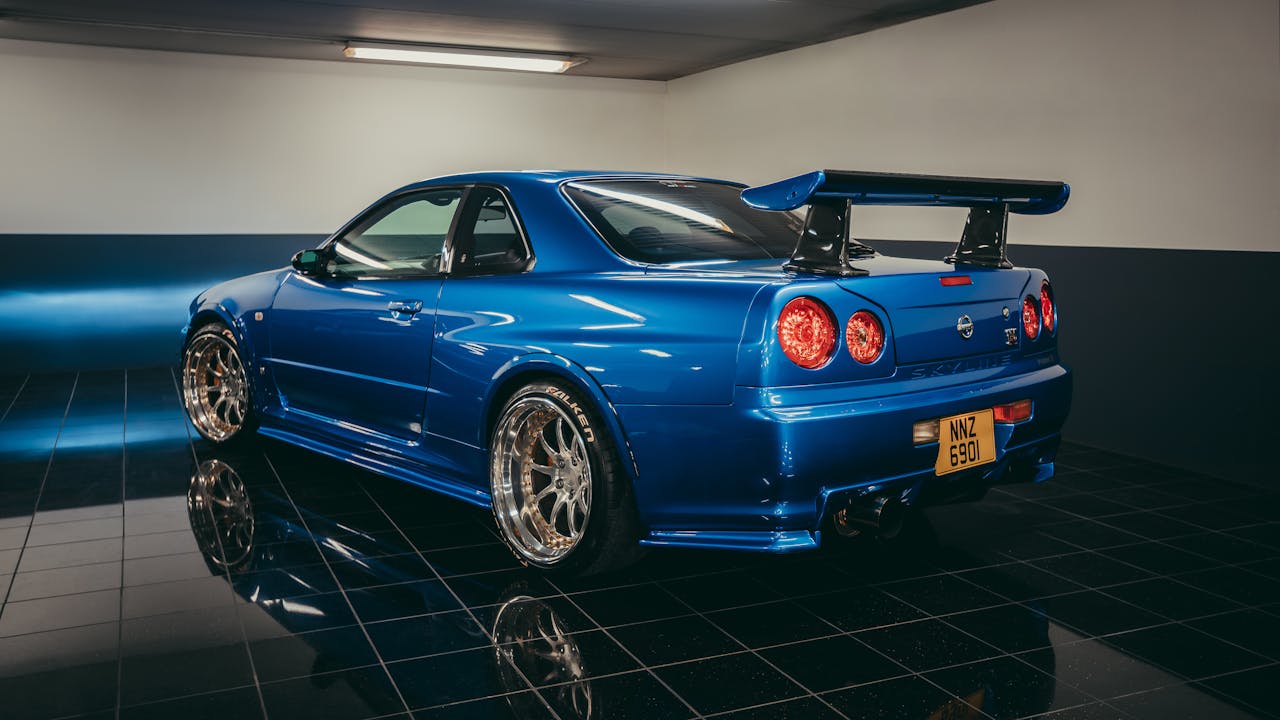
Working a few quick habits into your routine will give your AC the best fighting chance when the heat sets in. And when things get complicated, it’s always better to trust experts backed by experience.

Stay Cool with Expert AC Service

Handling AC issues might feel like a mystery, but addressing them promptly can make all the difference during those scorching Long Island summers. By recognizing signs and engaging in regular upkeep, you can stop minor problems from turning into costly headaches.

Whether you're running errands or setting off for a weekend at the beach, a well-maintained AC system makes every summer drive more enjoyable. Dealing with these issues isn’t something to do on your own. Let a trusted technician handle it so your Nissan keeps running cool and comfortable all season long.

If you're having trouble with your AC, leaning on professionals can make a big difference in keeping your ride cool and easygoing. Trust the team at Nissan 112 to sort out any AC issues and keep your car in top shape. For trusted assistance and expert service, stop by a Nissan service center on Long Island and enjoy a comfortable drive all summer long.

Read More
CATEGORIES »
TAGS »

07-06-25

Signs Your Nissan’s Fuel Injectors Need Cleaning

Keeping your Nissan running smoothly means paying attention to the small parts that do a big job. One of those parts is the fuel injector. Fuel injectors send the right amount of fuel into your engine so it runs the way it should. When they’re clean, everything feels right. Your car starts up quickly, accelerates without a hiccup, and idles like it's brand new. But when they’re dirty or clogged, performance can take a hit—and you’ll notice.

Dirty fuel injectors are more common than people think, especially with the wear and tear of local driving in places like Long Island. With July being peak driving season, you'll want your vehicle operating without hesitation, especially if you’re heading out east to wine country or cruising through Patchogue. If something feels off while you’re behind the wheel, your fuel injectors might be the reason. Here's how you can tell when it's time for a cleaning.

Signs Your Nissan's Fuel Injectors Need Cleaning

Poor Engine Performance

When fuel injectors aren’t working right, your engine can’t run as it should. You might feel your car hesitating when you press the gas pedal or even shaking slightly when idling. Sometimes it might misfire or jerk a little while accelerating. These are strong signs that fuel isn’t flowing evenly through the engine. That uneven flow leads to irregular combustion, which causes those strange movements and noises.


An example of this is when you're merging onto a parkway, you hit the gas, and instead of the car moving forward smoothly, there’s a small hesitation. It might feel like the car is lagging behind your foot. That delay can be frustrating and even risky in busy traffic. Often, this performance dip is tied to blocked or clogged injectors.

Decreased Fuel Efficiency

Your car might be working harder and burning more gas than it should. When injectors are dirty, they can’t spray fuel in a fine mist, which is what the engine needs. Instead, they either spray too much or too little, and that throws off the fuel mixture. The result? More stops at the pump.

Here are a few signs your fuel efficiency is dropping:

  • You’re filling up more often even though your driving patterns haven’t changed
  • The range shown on your dashboard is lower than it used to be after a full tank
  • You notice a stronger gas smell after shutting off the engine

Tracking your miles per gallon can help you spot this problem early. If you notice consistent drops and there's no change in your driving routine or route, your injectors could need a cleaning.

Rough Idling

A good-running car should idle with almost no feeling—it’s smooth and steady. But if fuel injectors are struggling, idling becomes bumpy. The engine might feel like it's shaking or chattering while you’re stopped at a red light. It can feel like it’s about to stall, or like something's rattling under the hood.

Contaminants in fuel or buildup over time can throw off the injector's spray pattern. When that happens, cylinders get fuel inconsistently. This leads to rough idling, where the engine feels uneven, especially in the summer heat when accessories like AC are on.

"Check Engine" Light Comes On

That little light on your dash might mean a long list of things, but dirty fuel injectors are often one of them. When something messes with the fuel-air balance inside the engine, the sensors pick it up fast. A misfire or abnormal combustion will trigger the onboard diagnostic system and flip on the light.

If the check engine light appears along with any of the previous symptoms, don’t brush it off. Some drivers ignore the light when their car still drives fine, but that can lead to bigger repairs later. It's a good idea to get it diagnosed by someone who can read the codes and inspect the injectors properly.

How to Address Dirty Fuel Injectors

Regular upkeep is key when it comes to preventing dirty fuel injectors. Scheduling routine maintenance ensures that your Nissan performs at its best. Frequent checks can catch potential issues early before they become costly repairs. Professional cleaning services are available to keep your injectors working properly. These services use specific tools and solutions that clean out buildup without damaging parts.

Stopping by a Nissan dealer in Long Island gives you the advantage of working with technicians who understand your specific make and model. They’ve got the tools, experience, and knowledge to spot injector issues quickly and get things cleaned up the right way. Making injector maintenance part of your overall service routine saves time, stress, and money in the long run.

The Impact of Clean Fuel Injectors on Your Nissan

Clean fuel injectors make a big difference in how your car feels on the road. You’ll notice improvements in performance, especially during quick starts and highway merging. A smooth, responsive engine creates a better driving experience.

Clean injectors also help improve gas mileage. Proper fuel delivery helps the engine get more out of every drop of gas, which means fewer fill-ups. Whether you're commuting or going on a road trip, clean injectors can stretch your fuel efficiency.

A cleaner engine also tends to last longer. It runs without strain, producing less wear and tear over time. That means fewer major repairs and more years of reliable service. Keeping your injectors clean helps protect your car’s heart—the engine—and that protects your investment.

Keeping Your Nissan in Top Shape

Maintaining fuel injectors is just one part of keeping your Nissan in peak shape. When you visit trained professionals regularly, you’re helping the car stay reliable for longer. From oil changes to injector cleanings, everything works together to improve how your Nissan performs.

Many drivers wait until problems start, but regular check-ups help prevent surprises. Staying ahead of issues means your vehicle stays dependable when you need it most. With so much summer travel around Long Island, peace of mind starts with a properly running vehicle.

Don’t forget that other systems rely on constant fuel delivery. Clean injectors help your whole engine system work better, which affects everything from your AC to your acceleration. Keeping up with maintenance helps every part of your drive feel easier and smoother.

Drive Smoothly Across Long Island

Summer is a perfect time for drives along the scenic roads of Long Island. With clean fuel injectors, you can have uninterrupted journeys, whether you’re heading to the beach or exploring the local towns. A well-maintained Nissan provides peace of mind, letting you focus on the joy of the drive. Enjoy the confidence of a vehicle performing at its best, with the air conditioning blasting and your favorite playlist streaming.

Maintaining your fuel injectors doesn't just optimize performance—it enhances your driving experience. With preventive care, your car is ready for any adventure you choose. Say goodbye to unexpected hiccups on the road and embrace the open path ahead with assurance.

To keep your Nissan running at its best, routine maintenance and expert support go a long way. Trust a Nissan dealer in Long Island that understands your vehicle inside and out. At Nissan 112, we’re here to help you stay comfortable, safe, and moving forward. Take a look at our latest vehicles and enjoy every mile with confidence.

Read More
CATEGORIES »
TAGS »

07-06-25

What to Do When Your Nissan’s Radio Acts Up

A working car radio may not seem like a big deal until it stops doing what it’s supposed to. Whether it’s playing music, helping you follow GPS directions, or just breaking the silence during your daily drive, your Nissan’s radio becomes an unspoken part of the whole driving vibe. This hits harder during summer on Long Island, when road trips, beach drives, or just windows-down cruising call for a crystal-clear radio connection.

But sometimes that system doesn’t keep up. Maybe the sound cuts out. Maybe nothing happens when you press the power button. Before frustration sets in, it helps to understand what might be going wrong. Let’s look at some common issues Nissan drivers experience and what steps can help bring your radio back to life.

Common Radio Problems In Nissan Cars

When something’s off with your Nissan’s radio, there’s usually a reason behind it. Several known problems tend to pop up in these systems, and understanding them is the key to getting back on track quicker.

1. No sound: If the radio display powers on like normal but there’s no sound, that usually points to speaker problems, loose internal wiring, or settings that have been accidentally changed. This can also come from unnoticed balance or fade settings.

2. Static or fuzzy reception: When your favorite station sounds buried under a buzz of static, the issue could be the antenna. A disconnected or damaged antenna can cause weak reception, which is especially frustrating in areas with strong signals like Long Island.

3. Radio not powering on: Sometimes the whole audio system doesn’t respond. This can be caused by a blown fuse, wiring issues, or failure in the head unit itself, which may need replacement or professional service.

4. Bluetooth or connection drops: You’ve connected your phone, but now the audio skips or drops out entirely. This could be the result of outdated software, low memory, or wear in the system’s pairing hardware.

5. Frozen screen or glitchy buttons: If tapping buttons gets no response, or if the screen is slow or frozen, your radio’s interface could be suffering from a software issue or physical wear. An unresponsive display limits how you control your music and tools like GPS, which can be a big deal for regular drivers.

These issues often seem worse in the summer, especially when your drives depend on that sound system working just right. It’s not just an inconvenience when your system stops playing music; it can affect how you use navigation or even make your trip feel less comfortable. Identifying the issue early is the first step toward a smoother ride.

Initial Troubleshooting Steps

Before heading straight to the service center, a few basic checks could help reset things. Small fixes often solve common issues, saving time and easing stress.

Start by checking the source and volume. You’d be surprised how many times the radio is simply on the wrong setting or the volume was turned all the way down.

Then, take a look at the antenna. A disconnected or slightly loose antenna cable can trigger static or no reception at all. If you recently went through a car wash or brush against a low branch, it could’ve shifted the antenna just enough to cause a problem.

Power connection is another area to review. If the radio completely refuses to turn on, check the car’s fuse box. Sometimes a blown fuse cuts off all power to the audio system, and it’s easy to replace if that’s the sole cause.

Here’s a quick checklist for some common self-inspections:

  • Make sure the volume and input source are correctly set.
  • Test audio from different stations or sources to see if the issue is isolated.
  • Check antenna connection and alignment.
  • Inspect the fuse related to the audio system in your vehicle’s fuse box.
  • Look for a reset button or press the right combination of controls to trigger a system reset. The process varies between Nissan models.

If sound works on only some channels, it may not be your radio at all. Certain stations can experience broadcast issues that sound like a technical problem inside your car. Testing several stations narrows it down, and saves you from fixing what's already working.

When to Seek Professional Help

If quick steps don’t fix the issue, or if the problem keeps repeating, it’s time to call in the pros. Certain signs mean the audio system needs a closer look from a trained eye.

If you notice any of the following, we suggest visiting our service department:

  • Static or signal loss on known-clear stations
  • Bluetooth disconnects that happen regularly without movement
  • Radio system takes longer than usual to boot or hangs during use
  • Touchscreen buttons not responding or reacting slower than usual
  • Complete system failure after minor bumps or randomly during a drive

Professionals can track down electrical problems that go far deeper than what’s on the surface. Malfunctioning head units, degraded wiring, or internal software issues aren't always visible, but trained technicians can spot and fix them with the right tools and diagnostics. If something inside your system is failing, continuing to mess with it can sometimes do more harm.

Relying on expert service keeps the issue from spreading to connected components, including external speakers, phone connectivity modules, or backup camera features built into modern radios. Bringing your vehicle to someone familiar with Nissan radio systems prevents future headaches and saves money in the long run.

Enjoying Your Drives Again

Once the issue is fixed, there’s an instant difference. Whether it’s the sound quality or quick access to navigation, your Nissan’s radio brings fun and function together every time you get behind the wheel.

Enjoying those weekend drives across Long Island or daily commutes becomes a lot easier with a working radio. Whether you’re streaming your favorite playlist, jumping between stations, or getting directions on the go, a repaired system turns background noise into a pleasant companion.

Make it a habit to perform quick audio checks every few months. Look out for small delays turning on, new static sounds, or changes in volume. This way, you stay ahead of bigger issues.

Your vehicle deserves to run just the way you expect—from engine to entertainment. And your drives around Long Island deserve a soundtrack that’s crisp, strong, and ready to go wherever you’re headed.

If you're dealing with radio troubles or other maintenance needs, our Nissan service center on Long Island is here to help. At Nissan 112, we provide expert care to get your vehicle back in top shape, ensuring a smooth and enjoyable driving experience. Trust our skilled team to keep your car ready for all your Long Island adventures.

Read More
CATEGORIES »
TAGS »

06-29-25

Fixing a Rattling Nissan Dashboard

If your dashboard makes noise every time you hit a bump, you’re definitely not the only one dealing with it. That rattling sound can wear on your nerves, especially during those long summer drives around Long Island. It’s one of those problems that starts off low but gets louder over time, turning an easy ride into a frustrating one. Since dashboards play a big role in keeping wires, vents, and display elements secure, hearing it shake around isn’t just annoying—it could mean something’s off and may get worse if ignored.

Sometimes the rattle is harmless, like a coin sliding around in a storage bin. But other times, it could point to loose hardware or worn-out parts under the surface. Hot temperatures, like the kind you get in July around Long Island, can dry out interior plastics and rubber, making parts shift or squeak more easily. The noises usually start soft, then build up, which usually means something isn’t fastened correctly, or something inside the dash has come loose over time. Either way, it’s helpful to know what you’re up against before it turns into a bigger hassle.

Identifying the Source of the Rattle

Before anything gets fixed, it helps to know where that rattle is coming from. Most rattling dashboards don’t just make noise for no reason—they’re usually reacting to vibrations coming from the road or engine. Bumpy roads, potholes, and summer roadside construction zones in Long Island can easily knock loose anything that’s not properly secured. Even something as small as a missing screw or loose cable can cause a persistent rattle that feels bigger than it is.

Common sources of a dashboard rattle include:

  • Loose or broken plastic trim pieces
  • Items stored in the glovebox or center console bumping into each other
  • Dashboard clips or mounting points that have worn out
  • Unsecured speaker grills or air vents
  • HVAC ducting that’s shifted out of place

If your dashboard only rattles when you hit a certain speed, or only on specific road surfaces, that can help narrow it down. Listen carefully to when and where it happens: Is it coming from the passenger side, dead center, or somewhere near the steering wheel? Often, the actual source is just a few inches away from where it sounds like it's coming from.

Cars with aftermarket additions or past repairs are more likely to have mounting points that weren’t tightened enough. Even sunlight and extreme heat can weaken glue or fasteners over time, causing parts of the dashboard to wiggle more than they should. So if your Nissan’s been through some hot summers or had recent work done, there’s a good chance the sound is from something that’s either shifted or come apart slightly inside the dash.

DIY Checks Before Heading to a Professional

You might be tempted to jump right into fixing the noise yourself, but that’s a good way to accidentally crack plastic panels or pull electrical wires loose. Still, if you want to understand what’s going on before getting help, a few easy checks can give you a better idea of what might be making the sound.

Here’s a basic list to help you narrow it down safely:

1. Check all storage areas first. Clean out the glovebox, center console, door pockets, and dashboard bins. Smaller items like pens or coins can clatter around and mimic a bigger problem.

2. Gently press along the dashboard while the car is parked. Listen for clicks, creaks, or shifting sounds. Do this with the engine idling so you can hear if vibrations change the tone.

3. Tighten visible hardware like screws on trim pieces or around the vents—only if you’re sure they belong there. Never force anything.

4. Use folded cloth or thin foam between dashboard joints or loose panels temporarily to confirm if cushioning the area quiets the rattle.

5. Inspect areas near the windshield for loosening trim, especially if the sound is close to the glass. Heat often causes that glue to weaken.

If nothing seems to help, or if you're unsure what you’re touching, it’s a good idea to stop there. It’s one thing to snug up a screw, but it’s a different story once wiring or airbags are involved. A professional can safely handle parts that are hidden or closer to sensitive features inside your dashboard. When the rattle is coming from deep inside the dash or tied to parts you can't easily see, it's time to rely on someone with the right tools and access to the right parts.

When Professional Help Is Needed

Sometimes, those irritating dashboard noises just won’t go away, no matter how many DIY tricks you try. That's when it makes sense to bring in the professionals. If the dashboard rattle continues after your checks, it could point to deeper issues that require expert insight.

Signs you should consult a professional include:

  • The rattle doesn't go away: If after attempting the basic checks, the rattle persists, there may be underlying problems like wiring issues or structural damage.
  • Unusual electronic behavior: Flickering dashboard lights or malfunctioning electronics indicate that the rattle might have affected critical systems. Professionals can trace whether loose wires or connectors are the culprit.
  • Difficulty pinpointing the sound: If the sound seems to come from inside the dashboard where you can't safely reach, it’s time for experts who can dismantle parts without causing damage.
  • Potential safety concerns: If airbags, safety sensors, or other critical components are involved, a skilled technician should handle any adjustments or repairs.

Professionals can diagnose and fix problems more deeply embedded within the dash. They’ll have the right tools and expertise to access parts without damaging anything—especially imperative if the noise comes from near sensitive or important vehicle systems. Long Island’s driving demands can be tough on cars, so it’s wise to ensure everything's in order to prevent further stress on your Nissan.

Preventative Measures to Avoid Future Rattles

Once the rattle has been fixed, keeping your dashboard quiet requires some ongoing attention. Regular maintenance can prevent future noises from popping up, allowing you to enjoy those stress-free drives across Long Island.

  • Schedule regular inspections: Make it a habit to have your car checked periodically to catch potential issues before they turn into bigger problems. Simple checks can stop a minor rattle from developing into a costly repair.
  • Secure your belongings: Loose items can quickly become an issue. Keeping the glovebox and other compartments organized helps in avoiding unnecessary noise.
  • Use proper materials: Installing high-quality components, like rubberized clips or pads, provides durability against shocks and vibrations.
  • Minimize exposure to heat: Use a sunshade to protect the dashboard from prolonged sunlight exposure, which can weaken adhesive and plastic over time.

Maintaining your vehicle with these straightforward habits can prevent another bout of dashboard rattles. It’s all about being proactive and keeping everything in tip-top shape for long-term peace of mind.

Keeping Your Nissan Smooth and Quiet

Dealing with a noisy dashboard might seem trivial, but taking action can greatly enhance your driving experience. No one wants to endure unwanted distractions, particularly when driving through picturesque routes or enduring the busy roads of Long Island. Addressing the issue promptly ensures that peace and quiet return to your rides.

Think of your car as a close companion on all your journeys. Just like any good friendship, maintaining it requires ongoing attention and care. Addressing concerns quickly prevents minor issues from growing, ensuring that you and your Nissan have many happy miles ahead.

Make your daily commute or weekend outings a pleasure, not a chore. By staying committed to regular maintenance and understanding when help from a pro is needed, you’ll ensure that your driving experience remains smooth and enjoyable. Plus, with summer approaching, it’s the perfect time to give your vehicle a little extra love, ensuring it’s ready for all the adventures you have planned.

Discover the difference that professional care can make in keeping your Nissan running smoothly. If dashboard rattles are getting in the way of your driving, Nissan 112 is here to help. Our team is ready to diagnose and resolve any issues, ensuring a quiet and comfortable ride. Enjoy a better driving experience by exploring the trusted options available at Nissan dealerships in Long Island. Get back to enjoying your rides through beautiful Long Island with confidence and comfort today.

Read More
CATEGORIES »
TAGS »

06-29-25

When Your Nissan’s Power Mirrors Stop Working

Power mirrors are one of those features you don’t think much about until they stop working. They help you make quick adjustments without having to physically move the glass with your hand—helping with safety, comfort, and convenience. Whether you're squeezing into a tight parking spot or changing lanes on the Long Island Expressway, working power mirrors make a difference.

When these mirrors stop responding, it can really throw off your routine. There are several possible reasons—some electrical, others mechanical or environmental. Figuring out what’s behind the problem early can help you avoid more annoyance or cost down the road. Let’s walk through the most common causes and what steps to take next.

Common Causes of Power Mirror Failure

When a power mirror fails, there could be one or several issues going on. Cars are exposed to wear and weather, which over time can take a toll on their electrical and mechanical systems.

Here are some of the most common causes:

  • Blown fuse: This is one of the first things to check. If the circuit that powers the mirrors gets overloaded, the fuse will blow, cutting power to the mirrors entirely.
  • Faulty wiring: Wires running through doors or under panels can loosen, corrode, or break. A disrupted signal might prevent the mirror from working at all or cause it to behave strangely.
  • Switch failure: The small joystick or button you use to adjust your mirrors can wear out with age and use. If nothing happens when you use the switch or if only one mirror responds, the switch could be the culprit.
  • Motor issues: Each power mirror contains a motor that moves the glass. If that motor burns out or sticks due to age or debris, the mirror won’t move even if power is reaching it.
  • Water or debris: Living on Long Island means dealing with salt air, rain, summer humidity, and winter slush. Moisture can find its way into the mirror housing and slowly damage the electrical components. This is especially true after heavy rain, snow, or driving through road salt.

If you’ve recently experienced bad weather or noticed moisture on your mirrors, it could be more than just inconvenient—it might have already triggered corrosion, causing the mirror to fail or behave unpredictably.

Diagnosing the Problem

Once your power mirrors stop responding, figuring out the actual cause takes a little bit of inspection. While you don’t have to do this yourself, knowing how the process works makes it easier to communicate with a technician and understand what needs fixing.

Start here:

1. Check the fuse box. Open the panel under the dash or in the engine compartment and locate the fuse that controls the mirrors. If it’s blown, that could be the whole issue. Replacing it might solve the problem—unless there’s something else causing the fuse to blow repeatedly.

2. Inspect visible wiring. Open your driver’s side door and look for the wiring that runs through the rubber boot between the door and the body. Bent, worn, or frayed wires could be shorting out or causing intermittent signals.

3. Test the switch. Press each direction on the mirror control. If nothing happens or if it only works in one direction, the switch could be failing. Sometimes, it’ll only adjust one mirror, which tells you the issue might be local to a single switch or motor.

4. Listen for sound. When pressing the switch, you should hear a quiet motor noise. If there’s a buzzing, clicking, or no sound at all, that gives more clues—either the motor isn’t receiving power or it’s locked up inside.

5. Check for rust or water. Look closely at the base of the mirror. If you see rust forming around mounting screws or notice condensation inside the mirror housing, corrosion could be the problem. That moisture might have begun interfering with the circuit boards or motor.

These steps can give you and a technician a starting point to understand what’s wrong. Sometimes, though, more complex diagnostics are needed—especially if the issue is hidden behind interior panels or affecting more than just the mirrors.

Professional Repair Solutions

If your power mirrors are no longer working as they should, getting help from a professional means saving time, avoiding risk, and making sure the right fix is applied the first time. Power mirrors aren’t just about comfort—they’re about driving safely, so it’s worth addressing them early.

There are solid reasons to let a trained technician handle the repair:

1. Expertise. Dealership and auto shop professionals have experience with electrical and mechanical mirror systems. They’ll have likely seen your issue before and know how to fix it quickly.

2. Safety. Electrical systems can be sensitive and sometimes risky to meddle with. A qualified technician has the tools and experience to safely work with your vehicle’s electronics.

3. Warranty protection. Making changes to electrical systems on your own can void warranties. Having a certified technician make repairs keeps everything covered and documented.

4. Full inspection. Sometimes the mirror problem is just the beginning. A professional may discover corroded wiring or failing relays that could eventually affect other features like your windows or door locks.

Letting a trained expert take a look right away prevents further damage that could lead to bigger problems down the road. Addressing a small issue quickly usually costs less and keeps the vehicle dependable.

Preventative Maintenance Tips

Caring for your power mirrors doesn’t take much effort. Doing small things regularly can help prevent unexpected failures and improve how your car performs day to day.

Here are a few ways to keep them working well:

  • Regular testing. Adjust your mirrors now and then, just to check if they respond properly. Sluggish movement or odd sounds could be early signs something’s wrong.
  • Clean around the housing. Gently wipe around the edges of the mirror housing where dirt and debris tend to build up. This small step can help protect the motor and components inside.
  • Protect from bad weather. If you expect heavy rain, snow, or salt from winter roads, try parking under cover or using a car cover. Water and chemicals can creep into mirror gaps and cause corrosion over time.
  • Schedule occasional check-ups. During oil changes or inspections, ask your technician to check your power mirrors. Most auto professionals can test them quickly and catch early signs of damage or wear.

Giving your mirrors a little attention once in a while can help extend their life and reduce the chances of needing major repairs unexpectedly.

Ensuring Smooth Driving in Long Island

Every part of your vehicle plays a role in keeping your drives comfortable and safe—and power mirrors are one of them. They may be small, but they help with everything from lane changes to backing out of a tight spot. When they’re working right, your long drives and short errands across Long Island go more smoothly.

Making time for simple maintenance or having a technician check on your mirrors during a service visit means fewer surprises on the road. Whether it’s a blown fuse, water damage, or a bad switch, catching problems early can keep your car in ideal shape and help you avoid inconvenience later.

Power mirrors make driving easier, safer, and more enjoyable. If you’re having trouble with yours, don’t wait until the issue grows. Repairing them now keeps you one step ahead and ready for wherever the road takes you.

Explore the advantages of owning one of our used Nissan cars in Long Island right here at Nissan 112. Whether you’re commuting across town or heading out for a weekend drive, our wide selection and friendly team make it easy to find a vehicle that fits your needs and lifestyle.

Read More
CATEGORIES »
TAGS »

06-29-25

Signs Your Nissan Needs New Shock Absorbers

If your daily drive across Long Island feels bumpier than usual, or your car doesn’t handle corners like it used to, the culprit might be your shock absorbers. These parts work quietly in the background, but they have a big job helping your tires stay in contact with the road and making sure your ride is smooth and steady. When they start to wear out, you’ll notice changes that go beyond a little extra bounce.

Living in Long Island, you encounter all kinds of roads, from smooth parkways to worn-down neighborhood streets. If your Nissan is feeling every crack and pothole more than it used to, it could be time to pay attention. Catching the early signs of failing shock absorbers can keep your car performing the way it should and help you avoid bigger repair issues down the road.

Signs That Your Nissan Needs New Shock Absorbers

Shock absorbers don’t fail overnight. They wear out slowly, and the signs usually show up little by little. Here are the biggest cues to watch for when your Nissan might be ready for a new set.

1. Unusual Vibrations: Feeling constant shaking in the steering wheel while driving is a common red flag. It’s easy to pass it off as a rough road, but when the shaking happens across different surfaces, it may be your shock absorbers. You might notice this most when driving on routes like the Long Island Expressway or Sunrise Highway, roads where you’d expect smoother handling.

2. Poor Handling and Steering: When turning feels loose or the car sways more than usual, it's likely related to your suspension system. Worn shocks can make the vehicle harder to control, especially when making quick lane changes or turning off busy intersections. That slight delay or tug in response can make a big difference in how confident you feel behind the wheel.

3. Uneven Tire Wear: Your tires take a direct hit when shock absorbers aren't doing their job. If you spot bald spots or patches wearing down faster than others, it’s a sign that the tires aren’t staying evenly on the pavement. Regular visual checks when you're filling up or parking in your driveway can catch this early.

4. Nose-Diving When Braking: If the front end of your car leans forward when coming to a stop, it may point to worn shocks. A sudden dip can make braking feel awkward or jarring, especially in stop-and-go traffic or at red lights around town.

5. Leaking Fluid: Shock absorbers are sealed components. If you notice fluid pooling near your tires or dripping down the side of the shock, it’s time to have it looked at. The leaks may look like dirty oil and can be a giveaway that the internal seals have broken down.

Even one of these signs can mean the shocks are losing their strength. If you’re noticing three or more, you’re not imagining it—your Nissan is probably due for a checkup. Replacing shock absorbers not only brings back a smoother experience, it makes driving safer for you and everyone else on the road.

Impact on Driving Safety and Comfort

Shock absorbers play a huge role in keeping your drive comfortable and safe. They make sure your tires stay glued to the road, which is super important for safe braking and turning. When these components wear out and their performance dips, you might find your car behaving unpredictably. Imagine driving along the smooth stretches of the Long Island Expressway, and suddenly finding that your car's response to steering or stopping isn't what you expect. This can be disconcerting and unsafe.

Smooth rides are a big advantage, especially in an area with a diverse mix of street types like Long Island. Good shock absorbers absorb the bumps and holes that come with the territory. Without them, every little jolt is felt inside the cabin. The bouncing around can even lead to driver fatigue over long periods. So, addressing any shock absorber issues as soon as they appear isn't just about comfort—it’s about making sure you and your passengers reach your destination safely.

What To Do If You Notice These Signs

Spotted a sign or two that your shock absorbers might be worn? Don’t ignore it. Addressing these issues early can prevent larger, more costly problems down the line. Here’s what you can do:

  • Schedule a checkup with professionals who understand your Nissan's needs and can accurately diagnose the condition of your shock absorbers.
  • Avoid DIY approaches, since this job requires skilled hands and the right equipment.
  • Visit a trusted service center in Long Island that knows the nuances of local roads and can recommend the best course of action.

Clearly communicating what you're experiencing with your vehicle can help the specialists zero in on the problem quickly. Having regular maintenance checks makes sure your car remains in optimal condition, giving you peace of mind and a smoother drive.

Keep Your Nissan Smooth and Safe

Taking care of the little things before they turn into big headaches keeps your Nissan running at its best. Regular maintenance and inspections can seem like a chore, but they’re worth it when it comes to safety and extending your vehicle’s lifespan.

Every ride you take, whether it's your daily commute or a weekend trip across Long Island, should feel reliable and secure. With your vehicle’s shock absorbers in top shape, you’ll enjoy smoother drives, better control, and a much more pleasant journey.

Addressing shock absorber issues might not be the most exciting thing on your to-do list, but it’s definitely one of the most rewarding for your peace of mind. Keep an eye out for those signs and take action when needed for a safer, more comfortable ride.

Ensure your Nissan is always ready for the diverse roads of Long Island. When it comes to maintaining your vehicle, trust the experts at Nissan 112. With our extensive range of services at competitive prices, we offer the expertise you need to keep your car performing at its best. Discover why so many drivers choose Nissan dealers in Long Island for dependable service and long-lasting care. Let us help you enjoy a smoother, safer ride every time you get behind the wheel.

Read More
CATEGORIES »
TAGS »

06-29-25

Understanding Nissan’s Different Warranty Types

When you buy a new or certified pre-owned Nissan, you're not just getting a car—you’re also getting peace of mind through warranty protection. Warranties are designed to take some of the stress out of car ownership by covering specific repairs and services for a certain amount of time or miles. Whether you're commuting across Long Island or taking weekend trips upstate, knowing what your warranty includes can help you feel more confident behind the wheel.

Warranties are often overlooked until something breaks. But understanding what’s covered can help you plan better, catch issues early, and avoid unexpected bills. Each type of warranty plays a different role in protecting your Nissan. From engine repairs to rust prevention, it all adds up to a smoother ownership experience.

Basic Warranty Overview

The basic warranty, sometimes called the bumper-to-bumper warranty, covers most parts of your vehicle for a set period or mileage range. It usually applies to electronic components, the HVAC system, suspension parts, fuel systems, and other factory-installed equipment. This type of warranty is one of the most inclusive protections you’ll get, but it still has limits.

What’s typically covered:

  • Electrical parts, like power windows and infotainment systems
  • Air conditioning and heating components
  • Interior trim and exterior paint (for manufacturing defects)
  • Steering and some suspension parts

This warranty doesn’t usually cover regular wear items such as brake pads, tires, or windshield wipers. And it won’t cover damage due to accidents, poor maintenance, or modifications. Still, for the parts it does protect, it can save you quite a bit if something goes off track early in your Nissan’s life.

For buyers in Long Island, where salty air near the coast and traffic from daily commutes wear on your car, a basic warranty can come in handy. It helps you stay ahead of any factory-related issues without paying out-of-pocket for parts that should’ve held up longer.

Drivetrain Warranty

The drivetrain warranty focuses on the heart of the vehicle—the parts that move it forward. Unlike the basic warranty, it typically lasts longer and covers fewer parts. Still, it features some of the most expensive components in your car, including the engine, driveshaft, and transmission.

Here's what a typical drivetrain warranty covers:

  • Engine block and internal parts
  • Transmission case and internal mechanisms
  • Driveshaft and axle components
  • Differential and transfer case parts

If anything major goes wrong within the scope of the warranty, it could save you thousands in repairs. That peace of mind matters, especially when your vehicle is still relatively new but no longer under the basic warranty.

Long Island drivers who often travel on highways or deal with heavy stop-and-go traffic may put more pressure on their drivetrain. Even if the car handles well, over time those shorter starts and stops or long distances can add wear. Having this coverage gives added support for the most critical systems that keep your Nissan moving.

Corrosion/Rust Warranty

Living by the coast in Long Island means your car faces more exposure to salty air and humidity, which can speed up rusting. That's where a corrosion warranty comes into play. This type of warranty usually covers repairs caused by rust or corrosion on sheet metal. It's a significant inclusion since rust can easily damage the beauty and function of your car if left untreated.

What's generally included:

  • Coverage primarily for body panels affected by rust-through
  • Protection extending over several years, often longer than the basic warranty
  • Parts like door panels, trunk lids, and other steel body components

This warranty doesn't cover surface rust caused by scratches or other paint damage, so it's important to fix those little dings right away. Plus, it doesn’t apply to rust occurring after an accident if proper repairs aren't made.

For Long Islanders, where weather conditions can trigger rust faster, this warranty acts like a shield protecting your ride from losing its look too quickly. No one wants their vehicle to resemble an old boat after just a few seasons.

Roadside Assistance

Getting stuck on the side of the road is never fun, but roadside assistance makes those situations less stressful. This service offers a lifeline when unexpected car troubles hit. Whether it's a flat tire or a dead battery, roadside assistance helps you get back to normal quickly.

Instances where this service is handy:

  • Lockout assistance if you lock your keys inside
  • Towing services to a nearby repair shop if your car is non-functional
  • Jump-starts for a flat battery
  • Fuel delivery if you run out of gas
  • Help changing a flat tire

Nissan's coverage duration can vary, but it often lasts through the first few years of ownership. Having access to such a service makes a trip along the scenic roads of Long Island more enjoyable. It reassures you that if something does go wrong, help is just a call away.

Keeping Your Warranty Valid

Keeping your warranty active requires some diligence. Regular maintenance is key. It's not just about fixing things when they're broken. Routine checks ensure that small problems don't turn into big ones.

To maintain your warranty:

  • Stick to the stipulated service schedule as outlined in your owner's manual
  • Keep records of all services performed, including dates and nature of the work
  • Use authorized service centers for repairs and maintenance

Ignoring maintenance schedules or failing to record service history can void your warranty, leaving you uncovered. Be wary of any modifications to the vehicle, as some can also nullify your warranty. Maintaining detailed records proves that you've followed the guidelines, protecting both your coverage and your wallet.

Remembering these details can help you take full advantage of your vehicle’s warranties. Stay on top of your scheduled service and keep your paperwork in order to make sure you're covered.

Maximize Your Warranty Benefits

To get the most out of your Nissan’s warranty, make it a point to read the terms carefully and ask questions when something’s unclear. Knowing exactly what’s covered prevents surprises and helps you act fast when repairs are needed.

Some ways to maximize your warranty benefits include:

  • Scheduling regular check-ups with certified technicians
  • Reviewing your warranty paperwork and asking about any limitations
  • Staying alert to mileage and duration limits, so you don’t lose coverage unexpectedly

Be proactive. Whether it’s an engine light or a new rattle, having a basic understanding of your warranty can mean faster resolutions and fewer out-of-pocket repairs. When you’re confident in your coverage, you’re more relaxed behind the wheel.

Stay Protected on Long Island Roads

Driving through Long Island means dealing with traffic, unpredictable weather, and long stretches of road. That’s why taking charge of your vehicle’s warranty protection is so important. A well-maintained warranty can be your backup plan when problems arise.

An informed car owner is a prepared one. Learning now about each warranty type keeps you ready for whatever the road throws your way. When you understand your coverage, you’ll feel more secure driving through the neighborhoods, highways, and coastlines of Long Island.

From dealing with flat tires to handling unexpected engine repairs, a solid warranty can help take care of what matters most—your peace of mind. Keep yourself informed, ask the right questions, schedule consistent maintenance, and make sure your warranty is always active and working for you.

Drive confidently with a full understanding of your Nissan's warranty coverage. If you're thinking about upgrading or purchasing your next vehicle, explore our current lineup of Nissan vehicles in Long Island. At Nissan 112, we’re committed to helping you make smart choices for a worry-free driving experience.

Read More
CATEGORIES »
TAGS »

Nissan News Archives - Page 5 of 6 - Nissan 112

Your Matches
Filters

Contact Us:

Name:
Email:
Message: