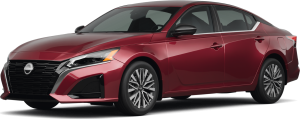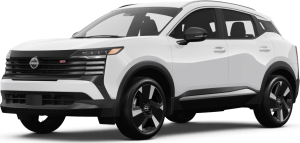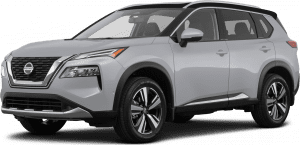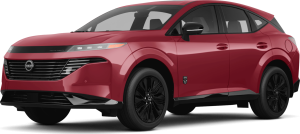




Driving around Long Island means dealing with all kinds of roads—some smooth, others not so much. Whether you’re commuting during the week or heading to the beach on the weekend, the comfort and control you feel behind the wheel largely comes down to one thing: your car’s suspension. Understanding how your suspension works and what type your vehicle has can make a real difference, especially when it comes to how smooth the ride feels and how well your vehicle handles bumps, curves, and stop-and-go traffic.
Every driver wants to feel confident on the road. That starts with knowing how your vehicle responds to whatever is thrown in its path. Suspension systems play a big part in how your vehicle manages sharp turns, uneven roads, and sudden stops. And with Long Island’s mix of highways, suburban streets, and backroads, the right suspension setup can help maintain control and reduce wear on both the car and your body.
What Is A Suspension System?
A suspension system is what connects your car to its wheels. It includes parts like springs, shocks, struts, and control arms. Together, these pieces work to absorb the energy from bumps and potholes so you and your passengers don’t feel every crack in the road. While its main job is to keep your ride smooth, it also helps your tires stay in contact with the pavement, which is key for braking, steering, and general stability.
The suspension system supports three main goals:
1. Improved comfort: It cushions you from the roughness of uneven or damaged roads.
2. Better control: It helps your tires grip the road for more accurate steering and safer braking.
3. Increased longevity: It protects the vehicle from the wear and tear caused by constant movement and vibration.
If you’ve ever driven a car with worn or damaged suspension, you probably noticed how it bounced too much after hitting a bump or felt unsteady while turning. That’s a sign that the suspension isn’t doing its job properly.
Types Of Suspension In Nissan Vehicles
Not all suspension systems are the same. Nissan uses a few different types across its lineup, each tuned for a specific kind of driving feel and road condition. It helps to understand the differences when comparing models, especially if driving comfort or handling is a top priority.
Independent Suspension
An independent suspension is one where the movement of one wheel doesn’t directly affect the opposite wheel. This allows each wheel to absorb bumps on its own, adding comfort and control.
Benefits of independent suspension include:
1. A smoother ride on rough or uneven roads
2. Better handling around tight corners
3. More responsive steering
Many Nissan sedans and crossovers include independent suspension setups, especially those designed for a smooth daily ride like the Altima and Rogue. It’s often used in the front or rear suspension, depending on the vehicle’s design.
Multi-Link Suspension
The multi-link system is a more advanced form of independent suspension. It uses several arms to control wheel movement more precisely. This setup creates a balance between comfort and handling, so you don’t have to choose one over the other.
Here’s why drivers might prefer it:
1. Reduced body roll during turns
2. Improved ride quality at highway speeds
3. Increased stability over dips or bumps
You’ll typically find multi-link suspensions in higher-end models like the Nissan Maxima or Murano. These vehicles are made for those who want something smoother and more refined without giving up control during a drive.
Strut Suspension
Struts are a type of suspension that combines the shock absorber and a spring into one structure. They’re lighter and take up less space, which makes them ideal for compact vehicles.
Some pros include:
1. Simpler design, so fewer parts to maintain
2. Lower repair and replacement costs
3. Helps reduce the vehicle's total weight
Strut suspensions may not be as smooth over larger bumps as other setups. You might notice a firmer ride, especially on streets that have wear and tear. But for everyday city and suburban driving, strut systems work just fine. The Nissan Sentra is an example of a model that commonly uses this setup.
Understanding what’s underneath your vehicle can help you make better decisions, especially when comparing models or wondering why one ride feels different from another. The right suspension setup can improve your driving experience based on where and how you drive.
Choosing The Right Suspension For Your Needs
When picking a suspension type, think about how and where you drive most often. On Long Island, roads can shift from fast highways to neighborhood streets in just a few miles. Some setups are built for comfort, while others focus more on sporty handling.
If most of your drive consists of city streets with occasional potholes, a strut suspension offers enough comfort without adding too much cost. For drivers who often travel on uneven roads or want something that handles well through curves, an independent suspension might be the better fit.
Here are some things to think about:
1. Driving habits: Do you like a sportier feel or want a smooth, relaxed ride?
2. Road conditions: What types of roads do you take every day?
3. Vehicle use: Will you use your vehicle mostly for commuting, trips, or family rides?
A test drive can help you choose by letting you feel the difference each suspension setup offers. What you experience during a test drive—how the wheel feels in your hands and how the car handles bumps and stops—can be a big help when narrowing down your options.
Maintaining Your Nissan's Suspension
Keeping your suspension in good shape is important. When it works right, it prevents bigger problems like uneven tire wear or poor steering response. Getting it checked on a regular basis can help you catch issues early and avoid larger repairs later on.
Here are some steps to take:
1. Get regular inspections: Make sure your shocks, struts, and other parts are looked at during routine service.
2. Watch the mileage: Some suspension parts may wear out around 50,000 to 70,000 miles.
3. Stay alert: If you feel unusual movement while turning or hear strange noises near the wheels, it might be time for a check.
If you notice things like bouncing, drifting, or uneven tire wear, consider seeing a professional. Acting early helps you stay safe and keeps your ride smooth.
Driving Comfortably On Long Island's Roads
Understanding what type of suspension your Nissan has can help you choose the right model and get the best driving experience for where you live. Long Island offers a little bit of everything when it comes to roads—from quiet neighborhoods to busy highways—and matching your vehicle to those conditions matters.
Whether you’re sticking to local drives or going longer distances, knowing your suspension options makes it easier to select a model that fits your needs. A well-maintained suspension also adds to your vehicle’s safety and lets you stay in control no matter the road.
By paying attention to how your suspension feels and performing regular maintenance, you can get more out of your Nissan and enjoy every drive a little more—no matter where the road takes you across Long Island.
Whether you're navigating local neighborhoods or cruising along the expressway, choosing a vehicle that matches your drive makes all the difference. Browse our selection of Nissan on Long Island to discover models designed for comfort, control, and reliability. At Nissan 112, we're here to help you find the right fit for every road ahead.