


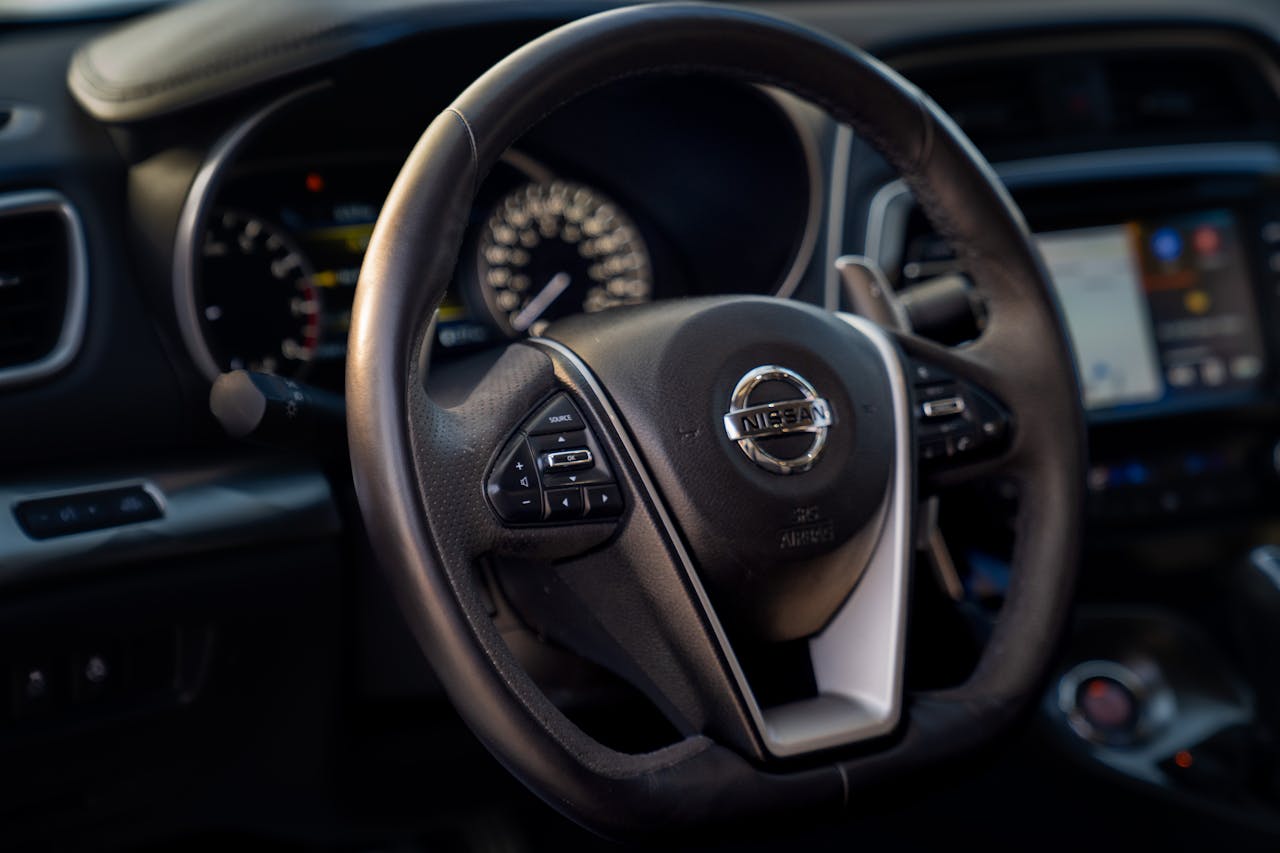
Dashboard lights are one of those things drivers often overlook until they suddenly appear mid-drive. Whether it's a tiny symbol glowing in orange or a bright red alert, seeing one light up can bring on a wave of confusion or even stress, especially if you’re not sure what it means. The truth is, these warning lights are your car’s way of talking to you, giving early signs of what’s going on under the hood or with vehicle systems.
For drivers around Long Island, being aware of these signals can make a big difference. Between busy commutes, weekend trips to the East End, and all kinds of weather conditions, your vehicle goes through a lot. Knowing what these lights mean can help you catch small issues before they turn into bigger problems, keeping your car running smoothly year-round.
Common Dashboard Lights Explained
Most dash lights are there to alert you to potential trouble. Some are more serious than others, which is why it helps to know what you're looking at before you decide your next move. Here are some of the most common dashboard lights you might see and what they generally mean:
Check Engine Light
This is one of the most well-known lights, but also one of the least understood. It can mean anything from a loose gas cap to a failing sensor. If this light stays on while you're driving, the car may still run fine, but you should get it checked out soon to avoid more expensive fixes down the line.
Oil Pressure Warning
When this light comes on, it usually means your oil pressure is too low. That’s a big deal because your engine needs oil to function properly. Driving too long without oil pressure can cause major engine damage. You’ll want to pull over safely and stop the car if this light turns on.
Battery Warning Light
This symbol looks like a battery and tells you something’s off with the electrical charging system. It might be a dying battery or an issue with the alternator. You might still have a little time to drive, but don’t count on it. If you're far from home or in stop-and-go Long Island traffic, that light should shift your plans toward a safe check-up.
Brake System Warning Light
If this light is glowing red, there's either a problem with the braking system or it’s a reminder to check the parking brake. If your brakes feel different or the pedal sinks too low, don’t keep driving. It’s worth addressing this right away to avoid risks on the road.
Tire Pressure Monitoring System (TPMS)
You’ll usually see this one when your tire pressure is too low or uneven across your tires. This can happen with big temperature swings, especially in fall on Long Island, or if you hit a pothole. Low tire pressure can mess with how your car handles and reduce fuel efficiency.
One helpful example is if you’re on your way to a weekend getaway in Greenport and suddenly your TPMS light shows up. It’s tempting to ignore it, but low tire pressure can lead to uneven wear or a blowout. Something small like a quick air fill-up at a gas station can keep your trip on track and stress-free.
Labels and lights aren’t always self-explanatory. When in doubt, don’t guess. Ignoring warning signs can do more harm or cost you more later on.
What To Do When A Dashboard Light Turns On
So a dashboard light shows up. Now what? The best response depends on the type of light and what your car feels like as you drive. While it’s easy to brush off a light if your car still runs fine, timing really matters when it comes to car repairs.
Here’s a quick way to figure out how urgent the light might be:
- Red lights usually mean stop driving and check it out immediately
- Yellow or orange lights usually suggest something should be checked soon but may not need you to stop right away
If a warning light goes on and off, try to notice when it's happening. Was it during a rainstorm? Are you using more electrical systems than usual? These clues could help a technician solve the issue faster.
When a light appears:
1. Stay calm
2. Check for any unusual sounds, smells, or how the car drives
3. Look in your vehicle’s manual to confirm what the light means (or check the menu display if your car has one)
4. If it’s red or flashing, safely pull over and call for help
5. For anything less urgent, make note of it and book an inspection sooner rather than later
Delaying attention to warning lights may lead to more serious repairs or leave you stranded. It’s always better to handle the issue before something fails completely.
Coming into fall on Long Island means changes in temperature, longer nights, and more activity on the roads. Dashboard light warnings can pop up more often with these seasonal shifts. That’s one more reason to address any alerts promptly, especially before the colder weather sets in.
Preventative Maintenance Tips
Avoiding surprise warning lights often comes down to regular upkeep. Staying on top of simple vehicle maintenance goes a long way toward keeping your dashboard quiet and your car in good shape. When your car is taken care of, there's less chance of the systems triggering any alerts and fewer interruptions to your daily drive.
Here are a few steps that can help reduce the chances of unwanted lights popping on:
- Check your oil regularly – Low oil can lead to engine problems. Keeping an eye on the level and color helps prevent damage and keeps the oil light off
- Keep tires inflated properly – Sudden weather swings on Long Island can impact your tire pressure. Try to check each tire at least once a month and before any long trips
- Schedule battery testing – Don’t wait until a battery light flashes heading out on a winter morning. A weak battery might start fine today but fail tomorrow
- Inspect brakes often – Listening for squeaking or grinding can save future trouble. If your brake light shows up, it's usually tied to something that could've been spotted during a basic brake check
- Use the seasonal change as a reminder – Fall and spring are great times to get a general inspection done. Temperature drops or rises can push your car in different ways
Long Island roads can take a toll on your car. Between the stop-and-go traffic, salt during the snowy months, and uneven pavement in older areas, it’s smart to stay ahead of issues. A quick check-in with a trusted technician can spot signs before they trigger a dashboard alert. Preventing a problem costs less than repairing one and it helps keep those glowing warning lights from spoiling your day.
Staying Safe On Long Island Roads
Driving around Long Island brings its own challenges. From packed expressways like the LIE to winding backroads out east, knowing how your car’s behaving is key. That’s where the dashboard lights help out. It’s an early signal to slow down, pay attention, or head into the shop before it becomes something bigger.
With colder months leading into winter, it's a smart move to get ahead of potential problems. Battery issues and tire pressure drops are extra common once the temperatures swing. Even low wiper fluid can lead to reduced visibility during a dirty slush storm, and that often triggers a dash alert.
Being prepared on Long Island also means understanding the stops and starts of daily driving. Whether you’re caught on Sunrise Highway or heading toward Riverhead for a weekend, the car's systems are always working hard. Don't wait for a full breakdown to take dashboard lights seriously. Treat them like friendly nudges, small warnings designed to keep you safe and on track.
Staying one step ahead by understanding what your vehicle is trying to tell you can help avoid bigger issues and make sure you're not stuck waiting for a tow on the side of the road. Knowing what these lights mean, acting quickly when needed, and keeping up with maintenance are all ways to stay safe and ready for whatever Long Island traffic throws your way.
Listen to What Your Car Is Telling You
Understanding your dashboard lights shouldn’t feel confusing or overwhelming. They’re there to help you, not scare you. Whether you’re commuting daily, running errands, or heading out to explore local towns and shores, staying on top of what your vehicle is telling you helps you stay in control.
Being proactive not only extends your car’s life but also gives you fewer surprises while driving. Get familiar with the most common alert lights, don’t put off repairs, and keep regular checkups high on your to-do list. Your car’s dashboard is a reliable partner, it just needs you to pay attention when it speaks up.
Understanding those dashboard lights ensures you're ready for any trip across Long Island. If you want expert advice and service for your vehicle, explore how Nissan 112 can help with Nissan service in Long Island. Keep your car in top shape and enjoy smooth drives every time.