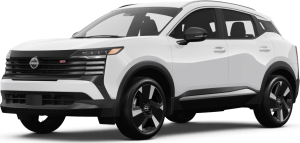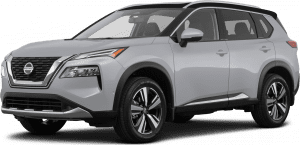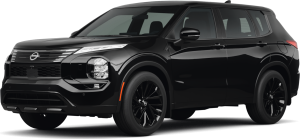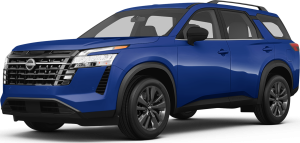




Tire rotation might seem like a small part of keeping your car in good shape, but it plays a big role in how your Nissan handles the road. Over time, tires wear down, and they don't all wear the same way. Rotating your tires makes sure that wear is spread more evenly, helping them last longer and improving your car’s ability to steer, brake, and respond the way it should. It’s one of those things that’s easy to overlook, but skipping it can lead to bigger problems down the line.
With late fall settling over Long Island and winter just a few weeks away, now’s a smart time to check in on tire performance. Roads may get slicker, and the temperature swing can push changes in tire pressure. Staying on top of tire care starting with regular rotations can give drivers some added peace of mind as they face heavier traffic, colder roads, and more unpredictable conditions through the season ahead.
A professional tire rotation at a trusted Nissan dealer on Long Island can help prevent uneven wear, catch issues early, and keep your driving experience smooth all winter long.
Uneven Tread Wear
One of the clearest warning signs that your tires need to be rotated is uneven tread wear. When certain tires wear down faster than others, it throws off not just how the car feels when you drive, but how well it performs when you need it to stop, turn, or grip the road in bad weather. Tire wear isn’t always easy to spot at first glance, but there are a few patterns to look for.
Common signs of uneven wear include:
1. One tire having smoother edges while others still show deeper tread patterns
2. Feathering, where the tread seems smooth on one side and sharp on the other
3. Center or edge wear, where only a part of the tread is worn while the rest looks fine
These wear patterns can happen for a few reasons, like not having tires inflated properly or skipping out on routine service checkups. But more often, it just comes down to driving without rotating the tires often enough. Front tires tend to work harder due to steering and carrying more of the engine’s weight. That can cause them to wear quicker than the rear ones unless they’re moved around regularly.
If you check your tires and notice rough spots or smoother areas that don't match the others, that's a clear sign something is off. Even something like your morning drive on Sunrise Highway can feel different if one tire lacks traction while the others grip evenly. The best way to avoid alignment issues or early tire replacement is by keeping rotation on your vehicle’s regular maintenance schedule.
Vehicle Vibration
Another signal your Nissan may need a tire rotation is a vibration that wasn't there before. If you're starting to feel a light shake in the steering wheel, seat, or floor at moderate speeds, that could point to uneven tire wear. Vibrations like these can build up slowly or show up quickly. Either way, it’s your vehicle telling you something is off balance.
Here are a few things that shaking might be pointing to:
1. Uneven tread is causing the tire to roll unevenly
2. Tires have become unbalanced due to wear patterns
3. One tire is bearing more vehicle weight than it should
Ignoring these small tremors can lead to more damage over time. As colder weather sets in on Long Island, handling vibration issues early can prevent bigger problems in the suspension or alignment down the road. A tire rotation can often smooth out the ride by giving the tires a fresh position and correcting any imbalances.
Think of it like sitting in a chair with one leg shorter than the others. You’ll feel a constant wobble no matter what. But if you put something under that short leg—in this case, adjust your tires’ positions—you bring things back into balance. Noticing and acting on vibration early can protect your vehicle and make driving a lot more comfortable.
Handling And Performance Issues
When your tires aren’t even, you may start to notice your Nissan just doesn’t drive the way it used to. Small changes, like drifting slightly to one side or needing more effort to make turns, can all be signs your tires need to be rotated.
Tire rotation matters because it spreads out the wear from braking, turning, and acceleration evenly. Without rotation, certain tires take on more stress than others, which can affect the balance and performance of the entire car. You might start to feel it when turning into your driveway or changing lanes on the LIE.
You may also feel changes when braking or speeding up. If the tires don’t grip evenly, that slight difference in control can become a much bigger issue when the pavement is wet or icy. Delays in how your vehicle responds can feel small, but they can put you at risk during harsh seasonal conditions.
Getting tires rotated helps keep control consistent across the board. That means when it’s time to brake or steer, your car listens without hesitation. For drivers on Long Island navigating changing traffic and weather this time of year, that kind of trust in how your car handles can make all the difference.
Why Manufacturer Guidelines Matter
Nissan gives a recommended tire rotation schedule for each model, and there's good reason to follow it. The intervals are based on real-world driving and vehicle performance testing. Skipping them or waiting too long usually leads to tires that wear out faster, weaker handling, and missed safety checks.
Most models suggest rotating tires every 5,000 to 7,500 miles, but how often your car needs it depends on your driving style. If you’re often stuck in stop-and-go on Route 112 or take regular trips out east, your tires might wear faster than someone with a short daily commute.
Rotation isn’t just about changing positions. A good technician will take that time to inspect the tires, check for hidden problems, and make sure everything is still aligned. Spotting a small sidewall bulge or a slow leak now could save you the cost of a full replacement later on. Many rotation services also include balancing your tires again, which helps your ride stay smooth regardless of road conditions.
Having your tires rotated by trained techs at a Nissan dealer on Long Island means the right positioning method is used based on whether your car is front-wheel, rear-wheel, or all-wheel drive. It’s one small step that has a big impact on how well your Nissan drives.
Keep Your Nissan Rolling Smoothly
Tires might not be the flashiest part of your vehicle, but they sure do a lot of work. If you’ve noticed uneven tread, strange vibrations, or your car not handling like it used to, your tires might be trying to tell you they need a rotation.
Keeping up with tire rotations helps you catch problems early and keeps your Nissan running at its best. This is especially helpful heading into colder months, when traction and control matter more than ever. Smooth handling, better braking, and longer-lasting tires are all benefits of keeping up with the rotation schedule from Nissan.
Taking this one routine task seriously can extend the life of your tires and help you avoid bigger issues later. It’s a quick step that supports safe driving through the rougher roads and busier traffic Long Island drivers face from fall into winter.
Regular tire rotations keep your ride steady, your tires stronger, and your vehicle ready for whatever roads come next.
Keep your Nissan in peak performance by staying updated with regular tire rotations. If you're starting to notice signs of uneven wear or reduced handling, explore service options at a trusted Nissan dealer on Long Island. Trust Nissan 112 to help you maintain a smooth and safe ride through every season.