



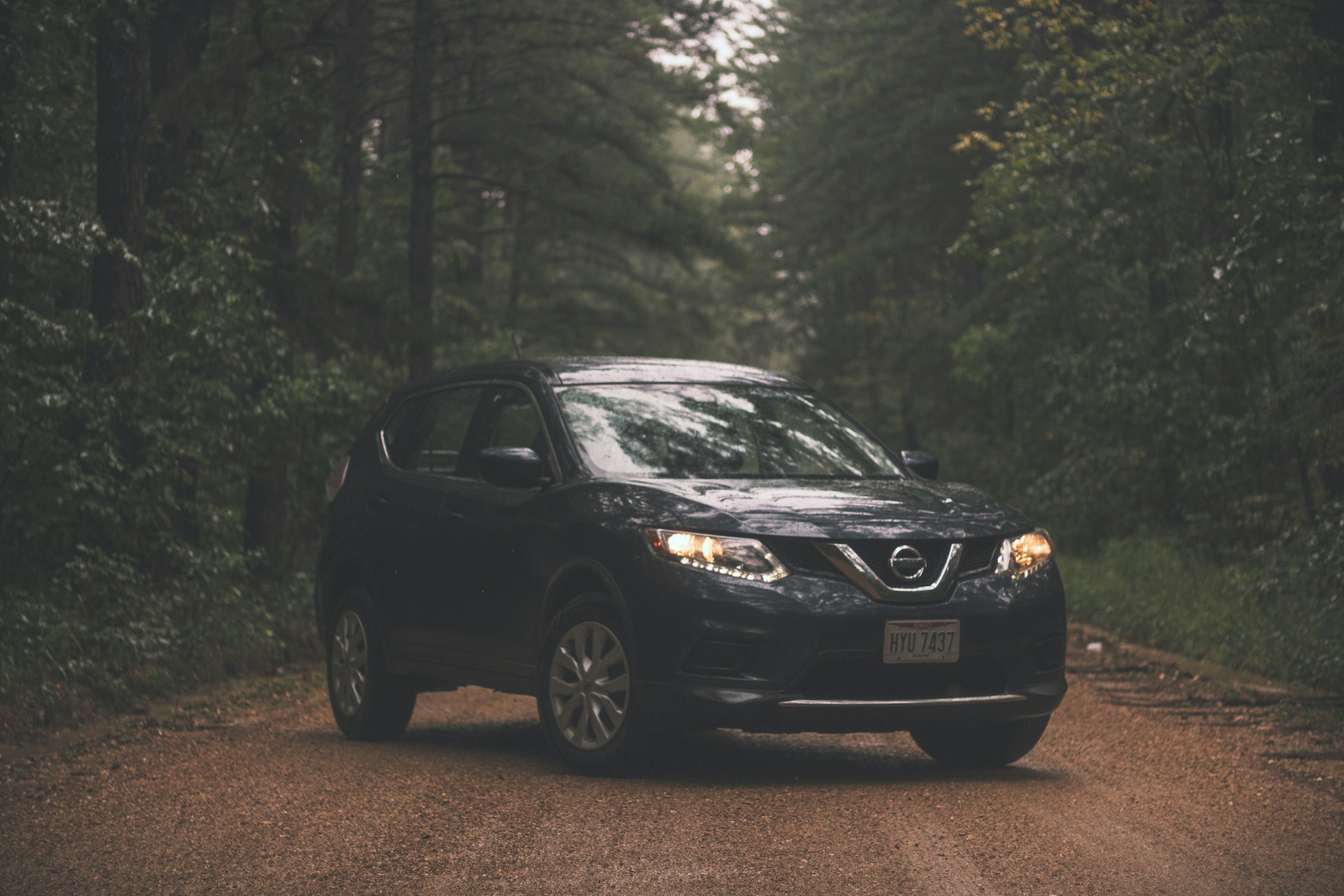
If you've noticed you're filling up your gas tank more often than usual, you're not alone. A sudden drop in gas mileage can be frustrating and expensive over time. The reasons behind poor fuel economy can range from your driving style to simple upkeep habits getting overlooked. Knowing exactly what’s dragging down your mileage is one of the first steps toward fixing it.
As we head deeper into fall on Long Island, driving conditions are starting to shift. With colder mornings and heavier holiday traffic right around the corner, paying attention to what affects your Nissan’s fuel usage becomes even more important. Understanding the causes behind poor gas mileage doesn’t just help your wallet—it helps your car run smoother, longer.
Driving Habits That Hurt Fuel Economy
The way you drive plays a big part in how much gas your Nissan uses. Fast take-offs, hard stops, or weaving through traffic doesn’t just stress out your engine, it also eats up more fuel than most realize. A smoother approach behind the wheel can keep your car running efficiently and reduce how often you stop at the pump.
Driving aggressively can cause your engine to burn more gas by forcing it to work harder than it needs to. Here’s what that can look like on the road:
- Speeding constantly, especially on open roads
- Rapid acceleration from stoplights and signs
- Slamming the brakes instead of coasting to a stop
- Tailgating, which leads to frequent stop-and-go movement
A better strategy? Start by keeping a steady pace, avoiding sudden stops when possible, and giving yourself enough space to slow down gradually. Imagine cruising on Sunrise Highway and seeing brake lights ahead. Instead of accelerating last minute and braking hard, ease off the gas and let your car coast naturally. These subtle changes in driving behavior may not feel huge on their own, but strung together over time, they can save a lot of fuel.
How Maintenance Impacts Gas Mileage
Skipping out on regular maintenance may seem harmless until you realize how much it can affect your gas mileage. When certain parts of your Nissan aren’t in great shape—like dirty air filters, low oil levels, or incorrectly inflated tires—your car needs more power to perform simple tasks. That extra strain uses up gas faster.
Tire pressure is a particularly common issue. A drop in air pressure, especially during colder months on Long Island, can increase resistance between your tires and the road. That resistance forces the engine to work harder. Upkeep like topping off fluids, replacing old spark plugs, or staying on top of oil changes makes a real difference too.
Another example is your air filter. When it’s clogged or dirty, less air makes it into the engine, which throws off the air-fuel balance and affects combustion. That slow-down in performance leads to reduced fuel economy and sluggish acceleration.
Sticking to a basic upkeep schedule stops these small issues from adding up. A thorough inspection from a Nissan service center in Long Island can catch hidden problems before they cost you in extra gas and wear on your car.
Common Engine And Fuel System Issues
When your gas mileage starts slipping and basic checks don’t solve the problem, it’s worth looking a little deeper under the hood. The engine and fuel system are responsible for how efficiently your Nissan uses gas. If something’s off—whether it’s a faulty sensor or a dirty injector—you’ll likely see it show up at the pump.
One of the biggest culprits is a failing oxygen sensor. It measures the amount of oxygen in your exhaust and helps the car adjust the fuel mixture going into the engine. If the sensor malfunctions, your car may burn more fuel than needed. The trouble is, you might not notice anything until your fuel costs go up or your check engine light pops on.
Another area to check is your fuel injectors. If they become clogged or dirty, fuel won’t flow evenly, which can create unbalanced combustion in the engine. That means your car has to work harder to get the same performance, costing you efficiency. The result? Your mileage drops, and you might feel jerky acceleration or rough idling.
If gas quality has been inconsistent, it can also lead to carbon buildup over time. That makes the fuel system work less efficiently. Having these parts inspected and cleaned as part of your regular service routine helps spot potential issues before they turn into something expensive or damaging. Even something as simple as an overdue spark plug change can put strain on your engine and eat through fuel more quickly.
When in doubt, getting your engine and fuel systems checked sooner rather than later will not only save you on gas but help your car stay reliable all year long.
The Effect Of Extra Weight And Poor Aerodynamics
Beyond mechanical issues or driving habits, the way your Nissan is loaded and shaped can drag fuel economy down too. Carrying around more than you need might not seem like a big deal, but even small weight increases across the whole vehicle take a toll over time.
Here are a few common things that impact fuel use:
- Hauling heavy items, tools, or equipment in the trunk or backseat
- Forgetting to remove roof racks, cargo boxes, or bike carriers after use
- Driving with windows down at highway speeds, which creates drag
- Unused items stored in the vehicle long-term
Long Island drivers often load up their cars for weekend trips, beach days, or errands across town. That’s fine when needed, but it pays to take out excess items once you’re back home. A few extra bags or tools might not seem like much, but your engine still has to power the added weight every single trip.
Roof racks make things easier for carrying gear, but when left on for no reason, they interfere with the car’s shape and airflow, causing extra drag. That forces the car to push harder against the wind, which burns more fuel. If you don’t use those accessories regularly, take them off during the week to help keep your mileage up.
Being thoughtful about how much weight you’re carrying and keeping the car as streamlined as possible can help your Nissan move more efficiently without doing anything mechanical.
Give Your Nissan the Best Chance at Better Mileage
Bad gas mileage doesn’t always mean something’s seriously wrong with your Nissan, but it does mean something’s out of balance. From aggressive driving and skipped maintenance to worn-out parts and too much cargo, small habits and overlooked issues can add up fast.
Paying closer attention to how you drive, checking basic components like your tires and air filters, and staying ahead of service needs can keep your vehicle’s fuel consumption from creeping up. And as fall turns into the colder days of winter around Long Island, focusing on these areas helps your car handle the changing conditions more smoothly and affordably.
The more you learn about what affects your gas mileage, the easier it is to stick with habits that keep costs low and trips smooth. With a few simple changes and regular service touchpoints, your Nissan can stay fuel-efficient through every season on Long Island.
To keep your Nissan running smoothly and make the most out of every tank of gas, it's smart to schedule regular maintenance at a trusted Nissan service center in Long Island. Whether it's checking your air filters or tuning up your engine, a little attention goes a long way. Nissan 112 is here to help you stay on top of it all with expert care and dependable service all year long.