


How can you keep your vehicle safe and reliable as Long Island transitions into the autumn season? At Nissan 112 in Patchogue, we understand that falling leaves, dense fog, and early darkness present real driving hazards. Here is our expert guide to navigating these seasonal changes safely and avoiding common mistakes on the road.
- 1. Underestimating Wet Leaves on the Road
- 2. Mastering Foggy Mornings and Low Visibility
- 3. Adapting to Shorter Days and Sun Glare
- 4. Monitoring Your Tire Pressure Drops
- 5. Maintaining a Clear View Through Your Windshield
- 6. Staying Alert for Active Wildlife
- 7. Timing Your Autumn Services to Avoid High Costs
- Key takeaways
1. Underestimating Wet Leaves on the Road
How do you handle the sudden shift in road conditions when autumn arrives on Long Island? Many drivers in Patchogue ask this as the leaves start to change color and the sun dips below the horizon. Staying safe during this transition requires adjusting your habits behind the wheel and making sure your vehicle is ready for the unique challenges of the season. At Nissan 112, we want to help you feel confident every time you hit the road.
The Hidden Danger of Foliage
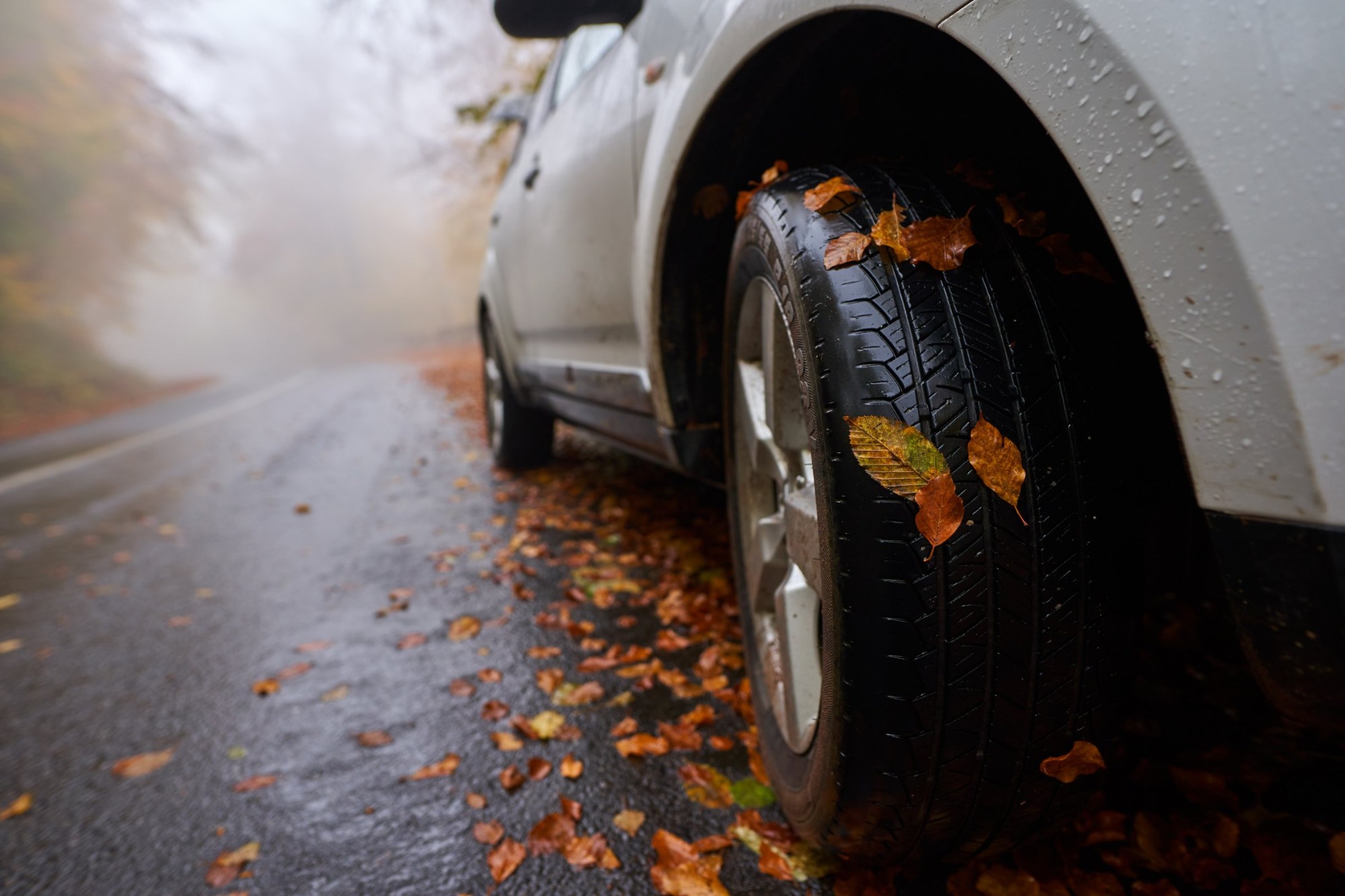
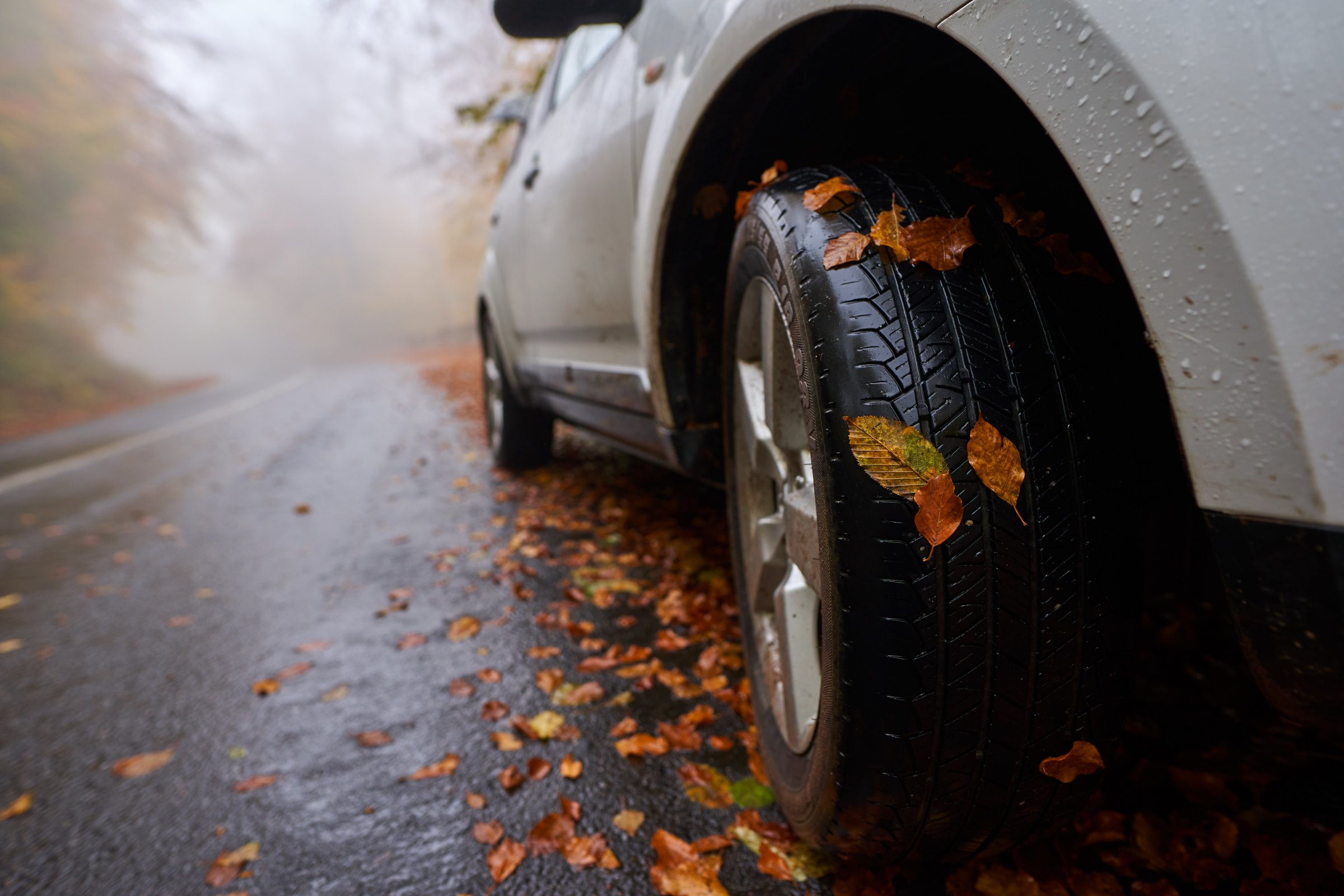
The most common mistake drivers make in autumn is treating fallen leaves like harmless debris on the asphalt. When leaves collect on the pavement and get wet from rain or morning dew, they create a slick, greasy layer that drastically reduces your tires' grip. This slippery hazard can cause your vehicle to slide just as easily as it would on a patch of thin ice.
To stay safe, you need to change how you approach tree-lined streets. Avoid sudden braking, quick acceleration, or sharp steering maneuvers when driving over leafy patches, and increase your following distance behind the car in front of you.
- Reduce your speed before entering tree-covered curves or shadowed areas of the road.
- Avoid parking your car over piles of dry leaves to prevent potential fire hazards.
- Keep a firm, steady grip on the steering wheel if you feel your tires lose traction on wet leaves.
2. Mastering Foggy Mornings and Low Visibility
As the morning temperatures drop, warm air over cold asphalt often creates thick, heavy blankets of fog. This is especially true near the coastal areas of Patchogue and across Long Island, where visibility can drop to near zero in a matter of minutes. Knowing how to use your vehicle's lighting system correctly is your best defense against these blind and unpredictable conditions.
The Right Way to Use Your Lights
Many motorists instinctively turn on their high beams when they encounter dense fog, but this actually makes visibility worse. High-beam headlights reflect off the tiny water droplets in the fog, creating a blinding glare that bounces straight back into your eyes and impairs your vision.
Instead, switch your headlights to their low-beam setting or use your dedicated fog lights if your vehicle has them. These lights are positioned lower on the vehicle's bumper, casting a wide beam that illuminates the road surface beneath the fog layer.
- Always keep your headlights on low-beam in heavy fog to help other drivers see your vehicle.
- Never drive with only your daytime running lights on, as they do not activate your rear taillights.
- Use the right-side white painted line on the road as a guide to keep your vehicle centered.
3. Adapting to Shorter Days and Sun Glare
With the end of daylight saving time, your evening drive home will suddenly take place in complete darkness. The transition from light to dark happens quickly, and your eyes need time to adjust to the change. This period of dusk is also when glare from oncoming traffic is at its most intense and distracting.
Beating the Sun Glare and Shadows
The autumn sun sits much lower in the sky during the morning and afternoon commutes, creating a harsh glare that can temporarily blind you. This intense light makes it incredibly difficult to see pedestrians crossing the street, cyclists, and traffic signals.
Keep a clean pair of polarized sunglasses in your glove box and use your sun visor to block the direct rays. If the glare becomes too overwhelming, slow down, increase your following distance, and use the lane markings to guide your path safely.
- Clean your windshield inside and out to remove the gray haze that amplifies glare from oncoming lights.
- Give your eyes a few minutes to adjust to the dark before leaving a brightly lit building.
- Dim your dashboard lights to reduce interior reflections and improve your night vision.
4. Monitoring Your Tire Pressure Drops
When the air temperature drops, the air inside your tires contracts, causing a noticeable drop in tire pressure. For every ten degrees the thermometer falls, you can expect to lose about one pound per square inch of pressure. This change often triggers your tire pressure monitoring system light on cold autumn mornings.
Why Pressure Matters for Grip
Driving on underinflated tires reduces your fuel economy and causes uneven tread wear over time. More importantly, it compromises your car's handling and increases your stopping distance on wet, slippery roads.
Checking your tire pressure once a week during the fall is an easy way to ensure your vehicle handles predictably. Always check the pressure when the tires are cold, meaning the car has been parked for at least three hours.
- Look for the recommended pressure on the placard inside your driver-side door frame.
- Inspect your tire tread depth using a simple penny test to ensure you have adequate grip for autumn rains.
- Do not ignore a tire pressure warning light, even if it goes off once the tires warm up.
5. Maintaining a Clear View Through Your Windshield
With autumn comes a mix of rain, morning frost, and falling debris that can quickly coat your windshield. If your wiper blades are worn out from the summer heat, they will leave streaks that make it incredibly hard to see in the dark or during rainstorms. Keeping your glass clear is one of the simplest ways to prevent an accident.
Upgrading Your Wipers and Fluid
Summer heat can dry out and crack the rubber on your wiper blades, causing them to split. When you try to clear away autumn mist or falling leaves, these damaged blades will only smear the grime across your windshield.
Replace your wipers if they squeak, skip, or leave streaks across the glass. It is also wise to fill your washer reservoir with a fluid formula that contains a de-icer to handle early morning frost.
- Replace your wiper blades every six months to ensure clear visibility in bad weather conditions.
- Use your defroster to clear away interior condensation before you shift your vehicle into drive.
- Wipe down the exterior camera lenses and sensors if your vehicle has active driver-assistance features.
6. Staying Alert for Active Wildlife
Autumn is the peak migration and mating season for local wildlife, particularly deer. This means animals are much more active and likely to dart across the road, especially during the hours around dawn and dusk. Because these times align with the busiest commute hours, the risk of a collision is significantly higher.
How to Respond to an Animal on the Road
If you see a deer on or near the shoulder, slow down immediately and blow your horn to frighten it away. Remember that these animals travel in groups, so if you see one cross, there are likely others close behind waiting to follow.
If a collision is unavoidable, do not swerve violently into oncoming traffic or off the road. Swerving can cause you to lose control of your vehicle or crash into a tree or another car, which is often far more dangerous than hitting the animal.
- Scan the road shoulders constantly when driving through wooded or rural areas of Patchogue.
- Look for the reflection of headlights in animals' eyes near the side of the road.
- Apply your brakes firmly and stay in your lane if an animal suddenly appears in front of you.
7. Timing Your Autumn Services to Avoid High Costs
Getting your vehicle serviced before the harsh winter weather arrives is the best way to prevent breakdown costs. Waiting until the first major snowstorm to address worn brakes, weak batteries, or old fluids will only lead to long wait times and higher repair bills. At Nissan 112, we can help you schedule these essential checks before the season shifts.
Smart Preventative Maintenance
Preventative care is always more affordable than emergency repairs on the side of the road. A quick battery test can reveal if your battery has enough power to survive the upcoming cold snaps, saving you from being stranded in a freezing parking lot.
Using genuine OEM parts ensures that any replacements are designed to fit your specific model perfectly and perform reliably. Our service department is staffed with trained technicians who know how to spot potential issues before they become major problems.
- Schedule your seasonal maintenance early to avoid the busy winter rush at the service center.
- Have your battery tested to ensure it can deliver enough cranking power in cold weather.
- Trust our team at Nissan 112, the #1 Nissan volume dealer in the Northeast Region, based on Nissan sales reports for 2019-2025, to handle all your Nissan sales, service, parts and financing needs.
Patchogue, NY
- Wet leaves reduce traction as severely as thin ice, demanding slower speeds and gentle braking.
- Correct lighting choices, like low beams in fog, are essential for managing reduced autumn visibility.
- Early seasonal vehicle checks keep your car reliable while keeping overall maintenance costs low.
FAQ Common questionsWhat is the most dangerous driving hazard in the fall?Wet leaves are often considered the most dangerous fall hazard because they drastically reduce traction and can be as slippery as ice. Drivers frequently fail to slow down when driving over them, leading to unexpected slides. Maintaining a safe speed and avoiding sudden turns on tree-lined roads will help keep you safe. Why does my tire pressure warning light come on during cold autumn mornings?When the outdoor temperature drops, the air inside your tires contracts, resulting in a loss of pressure. This drop usually triggers your tire pressure monitoring system light during early morning drives. Checking and adjusting your tire pressure to the recommended levels will resolve the issue and ensure safe handling. When is the best time to schedule fall vehicle maintenance?It is best to schedule your vehicle service in early autumn before the first winter frost or snowstorm arrives. Getting your brakes, battery, and fluid levels checked early helps you avoid the busy seasonal rush at the service center and ensures your car is fully prepared. Taking care of these checks now prevents unexpected breakdowns when the temperatures plummet. How should I adjust my headlights when driving in thick autumn fog?You should always use your low-beam headlights or dedicated fog lights when driving in dense fog. High beams will reflect off the water droplets in the fog, creating a blinding glare that reduces your visibility even further. If visibility becomes extremely poor, reduce your speed and use the right-side lane line as a guide. What should I do if a deer suddenly jumps in front of my car?If an animal appears in your path, apply your brakes firmly and try to stay in your lane rather than swerving. Swerving violently can cause you to lose control of your vehicle, run off the road, or crash into oncoming traffic. Honking your horn in a single long blast can also help scare the animal away. |
Want to see it in person? Browse what is on the lot right now, or come by and see it in person. Or call (631) 651-1987 · 730 Medford Ave, Patchogue |