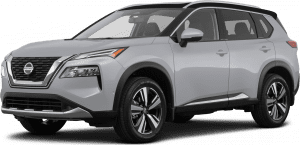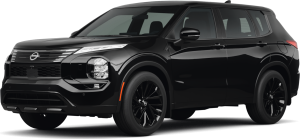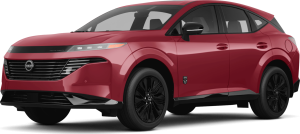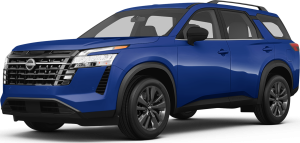



Find the Best Nissan Powertrain for Long Island Life
Choosing between a Nissan Leaf and a Nissan hybrid car is not just about being eco-friendly. For Long Island drivers, it is about what really works for the daily grind, from slow traffic on the LIE to weekend drives out toward the Hamptons or quick runs around Suffolk County. Your commute, where you can charge, and how your car behaves in winter all matter.
In this guide, we will walk through how an all-electric Nissan Leaf compares with Nissan hybrid models for real Long Island driving. We will look at commute length, charging access, winter range, and overall ownership so you can start to see which powertrain fits your life.
How Your Long Island Commute Shapes Your Choice
Long Island driving can mean a lot of different things. Some drivers stay mostly local around places like Patchogue, Medford, or Port Jefferson. Others spend a good part of the week driving into Nassau, Queens, or even toward the city.
For shorter, local drives, an all-electric Nissan Leaf often fits very well. Many daily patterns stay within a round trip that an electric range can cover comfortably, especially if you can top off at home overnight.
For longer commutes, a Nissan hybrid car may feel more flexible. A hybrid uses a gas engine and an electric motor together, so you get better efficiency than a traditional gas car while still being able to fill up at any gas station.
When you think about your commute, ask yourself:
- How many miles is your average round trip on a normal workday?
- How much of that is stop-and-go versus steady highway driving?
- Do you sit in traffic on the LIE or Sunrise Highway often?
- Do you ever need to make unplanned side trips during the day?
Stop-and-go traffic can actually be a plus for an EV like the Leaf, since electric motors handle low-speed driving well. Hybrids also do well here, using their electric side to cut fuel use at lower speeds. If your daily mileage fits within the Leaf range with a comfortable buffer, all-electric can be a strong option. If you often push well beyond that distance, a hybrid may give you more peace of mind.
Charging Access on Long Island vs. Hybrid Fuel Flexibility
How and where you can refuel your car is a big part of this choice. With an electric vehicle, your main fuel is electricity. With a hybrid, you still rely on gasoline, but you use less of it compared to a traditional gas-only model.
For Long Island drivers, typical charging options can include:
- A Level 2 charger at home in a driveway or garage
- Shared or limited charging at an apartment or condo
- Public charging stations near shopping areas or workplaces
If you have a private driveway or garage, a home Level 2 charger can make the Nissan Leaf very convenient. You plug in at night, and you start each day with a full battery. This works especially well if your daily drive is predictable and within range.
If you live in a building without reliable access to charging, things feel different. Public charging is growing across Long Island, but you might not want your whole week to depend on finding an open charger at the right time. In that case, a Nissan hybrid car can be easier, since you can stop for fuel almost anywhere and still enjoy better efficiency than a regular gas vehicle.
For many drivers, it comes down to your routine:
- Can you charge at home most nights?
- Does your job offer charging at work?
- How often do you take last-minute longer trips, for example upstate or all the way to Montauk?
If your charging is reliable and your routine is steady, the Leaf is very appealing. If your schedule is unpredictable and charging is tricky, a hybrid may feel like less planning and more freedom.
Winter Range, Snow, and Cold-Weather Confidence
Long Island winters can bring cold mornings, slushy roads, and sometimes heavy snow. Cold weather affects every car, but it affects electric and hybrid powertrains in different ways.
Electric batteries can see reduced range when temperatures drop. Using cabin heat, window defrosters, and heated seats all draws power. With a Nissan Leaf, that means you will want to think more carefully about winter range, especially on longer drives.
You can help by:
- Preconditioning the cabin while the Leaf is still plugged in
- Using seat and steering wheel heaters when possible
- Making sure your tires are in good condition for cold weather
Hybrid models can also see changes in fuel economy in colder weather, since engines and fluids need more time to warm up. The difference is that a hybrid can always keep going as long as you have gas in the tank. For longer winter drives, that can be reassuring.
Traction is another part of winter driving confidence. The Leaf is front-wheel drive, which works well in light snow when paired with proper tires and smart driving. Some Nissan hybrid or gas models can be available with all-wheel drive, which may give extra grip and control on icy or unplowed roads. If you live on a hilly street or in an area that is slow to be cleared, you might want to weigh this feature heavily.
Ownership Costs, Incentives, and Long-Term Value
Over several years, the way your car uses energy and needs service can have a big impact on your wallet. An all-electric Nissan Leaf does not use gasoline, and it has fewer moving parts in the powertrain compared to a gas engine. That can mean fewer routine service needs related to the engine.
A Nissan hybrid car still needs gas, but it usually uses less of it than a standard gas vehicle. It has both an engine and an electric system, so its maintenance pattern is different from a pure EV.
When you compare ownership, think about:
- Electricity costs at home compared to what you typically spend at gas stations
- Routine service, such as oil changes for a hybrid versus electric system checks for a Leaf
- How many miles you expect to drive each year
There may also be benefits available for electric or certain hybrid vehicles, like federal or state programs, utility rebates, or access to special lanes where allowed. These can change over time, so it is smart to review current options when you are getting serious about your choice.
Resale value and long-term confidence matter too. EV batteries are covered by specific warranties designed to support long-term use. Hybrids also have their own warranty coverage. Certified pre-owned options can be a good way to get into either a Leaf or a hybrid with added inspection and coverage, while keeping your budget in mind.
Test-Drive Your Perfect Nissan Powertrain at Nissan 112
Finding the right fit between the Nissan Leaf and a Nissan hybrid car is much easier when you match the numbers to real life. Bringing your actual commute details, your charging situation, and your winter driving worries into the conversation helps make the decision clearer.
At Nissan 112 in Medford, we work with many Suffolk County drivers who face the same questions you do. Comparing an all-electric test drive with time behind the wheel of a hybrid on local roads can show you which powertrain actually feels right for your Long Island routine, from school drop-offs to LIE traffic and those occasional trips all the way out east.
Drive Home Advanced Electric Efficiency Today
Discover how the Nissan Leaf hybrid car can fit your daily driving needs with confidence and convenience. At Nissan 112, we will walk you through available trims, charging options, and savings so you can make an informed decision. Reach out to our team with questions or to schedule a test drive when you’re ready to move forward, or simply contact us to get started.