


Stop Calling It a Hybrid: What the Nissan Leaf Really Is
A lot of Long Island shoppers search for a “Nissan Leaf hybrid car” when they start learning about electric vehicles. The name can be confusing, especially if you are used to gas engines and just want something that saves fuel without changing your whole routine.
Here is the simple truth: The Nissan Leaf is not a hybrid at all. It is a 100% electric vehicle, often called an EV or BEV, that runs only on electricity. That difference matters for how you power it, how you maintain it, and what kind of incentives you may qualify for. In the next sections, we will break down what makes the Leaf different from hybrids, how charging really works, and what you should think about before choosing an electric car for your Long Island commute.
Hybrid vs. Electric: Clearing up the Nissan Leaf Label
When people say “hybrid,” they usually mean a car that blends gas and electric power. There are two main types.
A traditional hybrid has:
- A gasoline engine
- An electric motor and a small battery
- No plug for charging
The gas engine and electric motor work together. The car still needs gas, still has a tailpipe, and still needs oil changes. The electric side mostly helps with stop-and-go driving and short bursts of power.
A plug-in hybrid is a little different:
- It has a larger battery than a regular hybrid
- You can charge it with a plug
- It can go a short distance on electricity before switching to gas
With a plug-in hybrid, you might drive around town on electric power for part of the day, then the gas engine takes over for longer trips. You are still filling up at the pump, just less often.
The Nissan Leaf is something else entirely. It is a battery electric vehicle. That means:
- No gas tank
- No exhaust system
- No tailpipe emissions while driving
The Leaf runs only on its battery and electric motor. This changes ownership in a few key ways. You are plugging in instead of filling up. There is no engine oil to change. There are fewer moving parts under the hood compared to a gas engine and hybrid system working together. For many drivers, that can lead to simpler service needs over time.
How the Nissan Leaf Powers Your Commute
The Leaf’s setup is pretty simple at its core. There is a large battery pack under the floor, an electric motor that turns the wheels, and electronics that control how power flows. When you press the accelerator, electricity moves from the battery to the motor. The motor responds quickly, giving you instant torque and smooth pull, which feels great in stop-and-go traffic on local roads and parkways.
A few things affect how far you can go on a charge:
- Driving speed
- How hard you accelerate and brake
- Outside temperature
- Use of climate control, like heat and AC
- Extra weight from passengers or cargo
In general, steady driving at moderate speeds uses less energy than constant hard starts and stops. Many drivers see their best efficiency in milder weather. Summer and the shoulder seasons often feel like the “sweet spot” because the battery does not have to work as hard to stay at a comfortable temperature compared to very cold winter days.
When people say “Nissan Leaf hybrid car,” they may be thinking they need a gas backup to feel safe. For many Long Island routines, that is not the case. With thoughtful charging habits, an all-electric Leaf can cover typical daily commutes, school runs, and errands with room to spare. The key is choosing the right charging setup for your lifestyle and knowing where you can top up when you are out.
Nissan Leaf Charging Levels Made Easy
Charging sounds more complicated than it really is. Most Leaf drivers use a simple mix of three options.
Level 1 charging:
- Uses a standard household outlet
- Works anywhere with regular power
- Adds range slowly, often best for overnight charging
Level 2 charging:
- Uses a 240-volt source, similar to a clothes dryer outlet
- Can be installed at many homes by a qualified electrician
- Common at public stations in parking lots and workplaces
DC fast charging:
- Found at selected public charging stations
- Sends power to the battery faster than Level 2
- Great for quick top-ups on longer trips
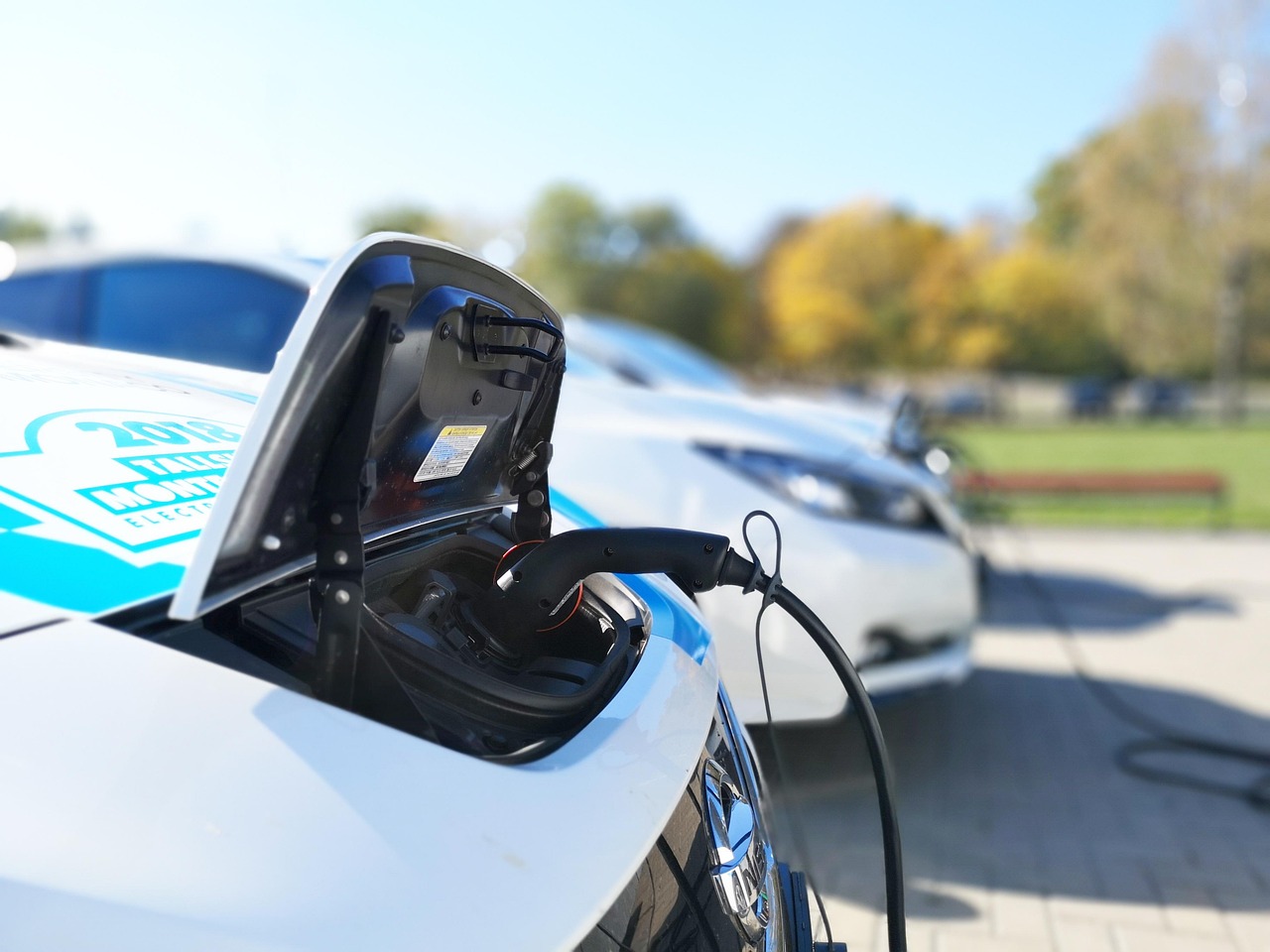
For many owners, charging looks like this: plug in at home with Level 2 at night, wake up to a full charge, then use public Level 2 or DC fast charging on busier days, road trips, or all-day outings. Apartment and condo drivers often lean on workplace, public, or community charging, mixed with some Level 1 where it is allowed.
Around Long Island, more shopping centers, office parks, and service locations offer charging spots. With EV apps and in-car navigation, you can:
- See nearby chargers
- Check what type of charger is available
- Plan quick stops during errands
- Avoid range anxiety on longer drives
Once you get used to it, charging becomes just another habit, like plugging in your phone at night.
Cost Incentives and Seasonal Perks of Driving Electric
Powering a Leaf is different from filling a hybrid or gas vehicle. Instead of paying at the pump, you pay your electric bill. Many drivers find that the cost to “fuel” an EV can compare well to gas over time, especially if they charge at home and pay attention to their electric rate options. Some utilities offer time-of-use plans, where charging during off-peak hours can cost less than charging at peak times.
Possible savings do not end with fuel. The Leaf does not have:
- Engine oil
- Spark plugs
- Timing belts
The electric motor and single-speed transmission design have fewer parts that wear. Regenerative braking, which sends energy back to the battery when you slow down, can help reduce brake wear too. Over the long term, this can mean fewer traditional engine-related services compared to a hybrid that still carries a full gas engine system.
There may also be financial help when you buy or lease an EV. Many drivers look into:
- Federal tax credits for qualifying EVs
- New York State programs for electric vehicles
- Local or utility rebates for EVs or home charging equipment
These programs can change, so it is always smart to confirm what is current before making a decision.
Weather plays a role in EV life as well. Very cold days can affect battery performance and range. Many Long Island drivers notice that late summer and fall feel like a comfortable time for EV driving. The moderate temperatures tend to support better battery efficiency than winter extremes, and you may run heat or AC less often.
Test Drive the Truth About the Nissan Leaf
The best way to understand the difference between a hybrid and an all-electric Nissan Leaf is to drive one yourself. Feeling the instant torque, the quiet cabin, and the smooth pull-away from a light says more than any spec sheet.
At Nissan 112, we help drivers sort through real range needs, daily driving habits, and charging options at home and around town. Our team can walk you through Leaf trims, explain charging levels in simple terms, and go over current incentives or programs that might apply to you. A short time behind the wheel and a clear look at how charging fits into your routine can make the “Nissan Leaf hybrid car” label fade away, and leave you with a solid picture of what all-electric driving can look like on Long Island.
Experience Efficient Electric Driving With Confidence
Discover how a Nissan Leaf hybrid car can fit your lifestyle with help from the team at Nissan 112. We will walk you through trims, features, and pricing so you can feel confident about your decision. Reach out to our specialists with any questions or to schedule a test drive through our contact page.