


Winter Leaf Life on Long Island: What to Expect
Driving a Nissan LEAF through a Long Island winter is very doable, as long as you know what to expect. Cold snaps, coastal wind, wet slush, and the occasional heavy snow all change how any electric car feels day to day. Range drops, heaters work harder, and the roads can go from clear to slick in one quick storm.
For LEAF drivers going from Port Jefferson to Patchogue, or running east along Sunrise Highway toward the Hamptons, cold air and wet roads mean the battery has to work harder. The car may not go as far on a charge, and fast charging can take longer when the battery pack is cold. Cabin comfort also becomes a bigger part of the range equation.
We spend our winters in the same traffic and weather as you do, so we pay attention to how EVs behave here. Our team works with drivers who want a Nissan LEAF as a clean, simple, hybrid car alternative, and we help them set real expectations for winter driving on Long Island.
How Cold Weather Really Affects LEAF Range
When the temperature drops, the LEAF battery does not like it very much. The chemistry inside the battery moves slower in the cold, so the pack cannot deliver energy as easily. At the same time, the car has to power cabin heat, heated seats, and window defrost, which all pull from the same battery you use for driving.
Winter range depends on a few things:
- Battery size and model year
- How fast you drive on the Long Island Expressway or Sunrise Highway
- How often you take short trips with the car cooling down between drives
- How much heat and defrost you use
Short city or town commutes usually stay very manageable, even with the heat on. Longer daily runs, like a mix of highway and local roads across the Island, will see a bigger drop compared with mild weather driving. Lots of quick, cold starts, like school drop-offs and errands, hit range harder because the car keeps reheating the cabin and battery.
To keep winter range comfortable, it helps to:
- Preheat the car while it is still plugged in
- Use Eco mode to soften acceleration and reduce power use
- Keep highway speeds moderate when you can
- Plan routes with known charging options along your regular paths
With a little planning, most Long Island commutes stay well within what the LEAF can handle, even on cold days.
Staying Warm Without Killing Your Battery
One of the biggest winter questions is how to stay warm without burning through range. Different LEAF model years and trims use different heating setups. Some use a heat pump system that is generally more efficient in cool to moderately cold weather. Others rely more on resistive heaters, which feel strong but use more energy.
No matter which version you drive, smart habits can keep you cozy and protect your range:
- Precondition the cabin while plugged in, using the key fob or app if equipped
- Turn on seat and steering wheel heaters first, since they use less energy than full cabin heat
- Set the climate to a lower temperature and use the fan on a steady setting
- Use defrost in short bursts, not all the time, especially on damp coastal days
Simple accessories and habits also help more than people expect. Rubber or all-weather floor mats keep the cabin drier, so windows fog up less and defrost can stay off more of the time. If you have a garage, even an unheated one, parking inside keeps the car and battery a bit warmer overnight. Wearing a light jacket or extra layer lets you set the cabin a few degrees cooler and still feel fine, stretching your winter range.
Snow Tires, Traction, and LEAF Winter Handling
A lot of drivers worry more about traction than range. The LEAF is front-wheel drive, which is good for slippery roads, and its battery sits low in the chassis, which helps the car feel planted in snow and slush. Traction control and stability systems work with the instant torque from the electric motor to keep the car steady when roads turn slick.
Where many drivers see the biggest improvement is with winter tires. Compared with all-season tires, dedicated winter tires are built from rubber that stays softer in the cold, with tread patterns designed to grip snow and ice. That can help:
- Shorten stopping distances on snowy or icy streets
- Improve traction when pulling away from a stop sign or light
- Give more control when turning on slushy side roads
- Increase confidence when you need to head out in bad weather
On very slick days, it is also smart to be gentle with e-Pedal or strong regenerative braking. Sudden weight transfer on ice can unsettle any car. Many LEAF drivers prefer standard drive mode with light pedal inputs, letting the friction brakes and stability systems work together.
For Long Island conditions, a good rule of thumb is to swap to winter tires around the time daily lows are regularly in the cold range, and keep them on until spring warms things back up. Professional mounting, balancing, alignment checks, and regular tire rotation help the LEAF track straight and protect range. Correct tire pressure is especially important in winter, since air pressure drops with temperature and underinflated tires create more rolling resistance.
Smart Winter Charging Habits for Long Island Drivers
Cold weather changes how your LEAF charges. When the battery is cold, DC fast charging usually starts slower, and regenerative braking is limited until the pack warms up. That is why planning your charge schedule matters more in the winter months.
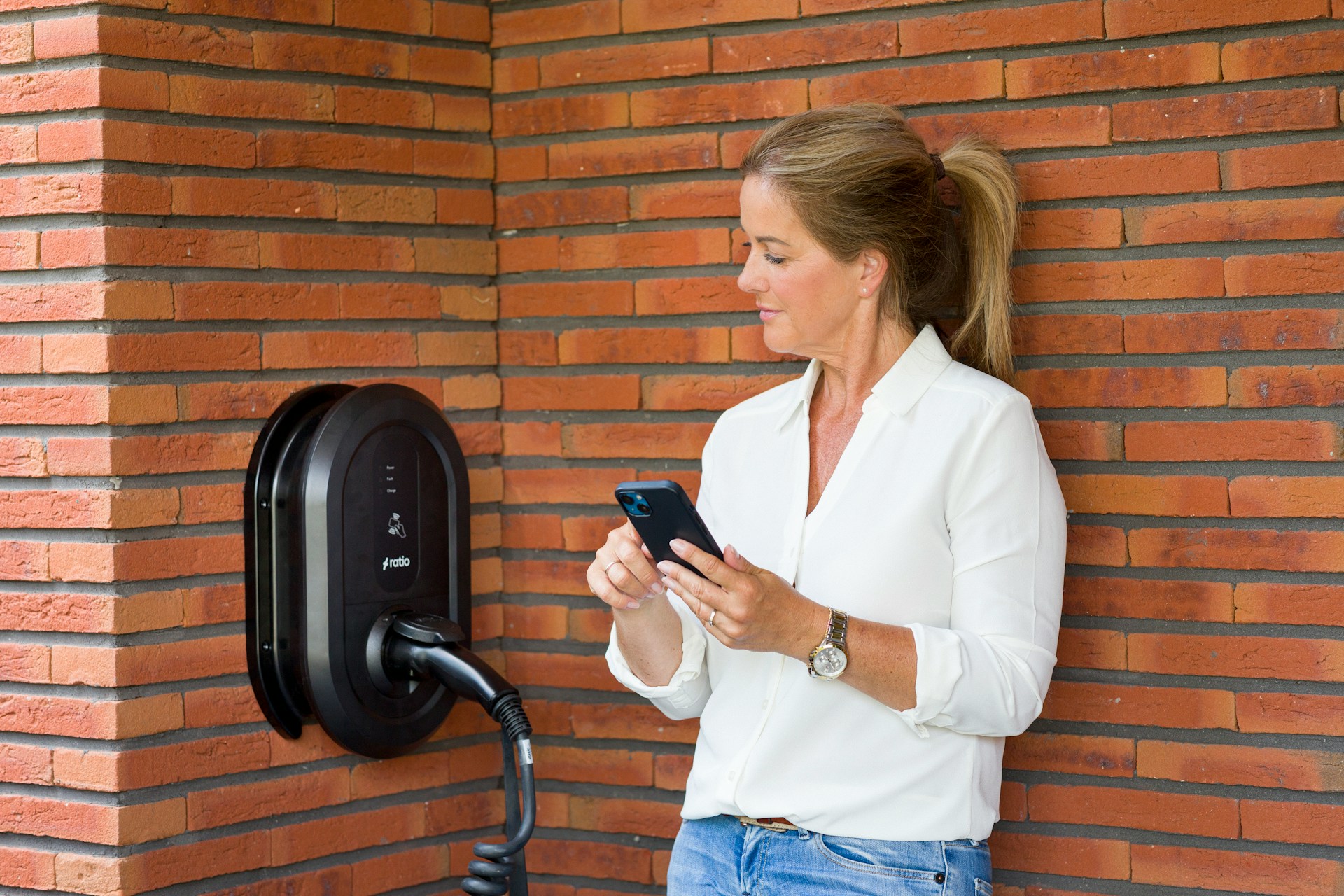
For at-home charging with a Level 2 unit, smart habits include:
- Charging mainly overnight when rates may be more predictable
- Using scheduled charging if your car has it, so the battery finishes charging close to your departure time
- Setting a daily charge limit if you do not need a full pack, then topping off to full before longer weekend trips
- Turning on cabin preconditioning while the car is still plugged in
Leaving with a warm battery and warm cabin means better early range and stronger regenerative braking right away. On Long Island, many public chargers are near shopping centers, offices, and main roads, so it is helpful to learn where those are along your normal routes. That way, if your winter range drops faster than expected on a very cold, windy day, you already know where you can stop for a quick top-up during errands or while you are at work.
Drivers thinking about a Nissan LEAF as a hybrid car style alternative should factor this planning in from the start. A little bit of routine makes winter EV life feel simple.
Is the Nissan LEAF Right for Your Winter Commute?
The LEAF fits winter life best for drivers with fairly predictable daily routes, like commuting between nearby towns, school runs, and local errands. It is especially friendly if you can charge at home or at work, and if you like the idea of a quiet, zero-emission drive instead of a traditional gas or hybrid car.
For longer daily drives, it is still very workable when you know your route, understand your winter range, and are willing to plan charging around your schedule. Comparing different trims and battery sizes, plus features like heated seats and a heated steering wheel, helps match the car to your routine.
The best way to see how a LEAF feels in cold weather is to try it on the same roads you use every day. Talking through your route, charging setup, and winter driving comfort with EV-focused staff can give you a clear picture of whether this all-electric hatchback fits your Long Island winter life.
Experience Efficient Driving With an All-Electric Edge
Discover how a Nissan Leaf hybrid car can fit seamlessly into your daily routine with practical range, intuitive tech, and low operating costs. At Nissan 112, we will walk you through available trims, incentives, and charging options so you can make a confident decision. Explore current inventory online, then reach out through our contact page to schedule a test drive or get personalized pricing.