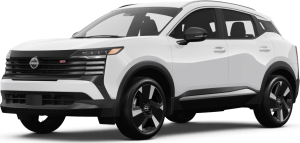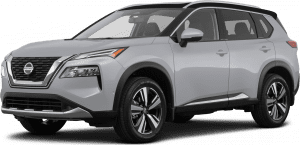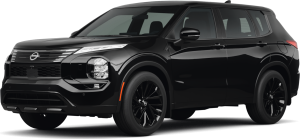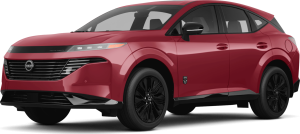


Switching between drive modes might not be the first thing that comes to mind when you think about driving. But with more Nissan vehicles offering multiple driving modes, it’s a good idea to understand how they work and when to use them. If you're someone who commutes across the different road types found on Long Island, from smooth highways to neighborhood streets, using the right drive mode can actually make your travels more comfortable, smoother, and even a little more fuel-friendly.
Nissan has put a lot of focus on making the driving experience adjustable to your needs. Whether you're trying to stretch your gas mileage on Sunrise Highway or just want a little more control around those tight turns in Sayville, these drive modes can help get the job done. Let’s take a look at what the different modes do and when it makes sense to switch things up.
Understanding the Basics of Drive Modes
Drive modes give you more freedom to adjust the way your car responds, based on where and how you’re driving. Think of them like built-in programs that tweak the engine, transmission, steering, and more – all to help your drive feel better, smoother, or even safer depending on the road.
Many Nissan models have the following drive modes:
- Eco Mode: Built to save fuel and adjust throttle and AC output.
- Sport Mode: Enhances performance, offering quicker acceleration.
- Normal Mode: Balanced for everyday driving without any special tweaks.
- Snow Mode: Helps maintain grip and stability in slippery conditions.
Each mode has its place. Knowing when to use them can help you get the most out of your car and make driving across Long Island more enjoyable and better matched to the season or traffic.
Eco Mode
Eco Mode is all about efficiency. It cuts back on engine power just enough to use less fuel without making your car feel underpowered for most situations. Throttle response slows down a bit, and the automatic transmission shifts earlier to keep the engine operating efficiently. Even your AC system may pull back slightly to lessen the load on your engine.
On Long Island, this mode comes in handy during:
- Long, steady-speed drives—like heading out east on the LIE
- Stop-and-go traffic headed towards the city
- Calm weekend rides when you're in no rush and want to save fuel
One thing to note is that Eco Mode isn’t built for speed. If you're trying to merge quickly or pass a slower car, you might notice the response is slower. That’s normal for this setting. It’s focused on getting the most out of each gallon of gas rather than delivering high performance.
For many local drivers who spend a lot of time in traffic or on familiar routes, Eco Mode is a great tool to help cut down on fuel costs without much effort. It works best when you’re not pushing your vehicle hard.
Sport Mode
Sport Mode is where things get exciting. If you switch into this setting, your car responds faster to acceleration, holds on to gears longer, and sharpens how the steering feels. It brings a sportier, more active vibe to your drive. This is the mode to try when you want more feedback from the road and quicker performance.
It’s best used during:
- Drives on curvier roads, like parts of Route 25A heading through the North Shore
- Merging onto the expressway or passing other vehicles
- Moments when you're driving by yourself and want a bit more fun behind the wheel
But keep in mind that the trade-off is lower gas mileage. Sport Mode uses more power, and you might feel a firmer ride depending on your suspension. Still, it’s perfect when you want your drive to feel energetic and engaging.
Drivers across Long Island who like taking the scenic route or want a little fun in their drive use Sport Mode from time to time. It unlocks the car's potential in a way that’s meant to be felt, not just seen on a dashboard.
Normal Mode
Normal Mode is simple and balanced, and that’s exactly why it’s useful. It offers even handling, standard throttle response, and pacing that fits most driving styles. There’s no sacrifice in comfort or performance, making it ideal for everyday trips around Long Island.
It fits well when:
- Running daily errands across multiple types of roads
- Driving with passengers or kids where comfort matters more
- You’re combining local city traffic with short highway stretches
Instead of focusing on saving fuel or delivering peak acceleration, Normal Mode gives you a bit of both. It’s the easiest drive mode to leave on all the time if you’re not looking to switch settings often. Many drivers keep their vehicles in Normal Mode for just this reason – it does a good job across most situations without needing much thought.
Snow Mode
Snow Mode proves its value in the winter and during unexpected storms. It adjusts throttle response and gear shifts so power is delivered more gently, avoiding wheel spin. It also works with your vehicle’s traction control systems to help prevent sliding or slipping.
Use this mode anytime you encounter:
- Snow-covered roads in local neighborhoods or highways
- Wet and icy conditions on hills or bridges
- Slippery patches that might show up during a cold snap or overnight freeze
On Long Island, snow is a risk from late fall through early spring, especially during coastal storms. That makes Snow Mode a good tool to have, even if you don’t switch it on often. It gives your car a better grip on tough roads, helping keep you in control when the weather turns bad.
Just remember to maintain steady speeds and avoid sudden movements when in Snow Mode. It’s not made for quick lane changes or aggressive driving—it’s meant to keep your trip going safely and slowly through tough spots.
Choosing the Right Drive Mode for Long Island Roads
With all the different road types across Long Island, picking the right drive mode for the conditions makes a real difference. Whether you’re crossing the island or staying local, each setting has its strengths.
- Use Eco Mode for lengthy highway drives or when gas efficiency is your goal.
- Switch to Sport Mode when you want more control and quicker response on winding or open roads.
- Stick with Normal Mode if you're looking for a stable, worry-free ride throughout your day.
- Keep Snow Mode in mind during winter months or for those surprise weather shifts the region sometimes brings.
These drive modes don’t just tweak your drive—they allow you to fine-tune how your car handles Long Island’s mix of traffic, roads, and weather. Choosing the right one for your daily routine can turn a stressful drive into a more relaxed and enjoyable one.
Maximize Your Driving Experience
Understanding how Nissan’s drive modes work helps you get the most out of your vehicle’s features. Whether you want to save fuel, enjoy a spirited drive, or need traction during bad weather, there’s a mode that fits the moment. Over time, switching between them will feel like second nature.
Using the right drive mode can improve day-to-day driving and make those longer trips more enjoyable. The best part is that you don’t have to be an expert to start seeing the benefits. Simply knowing what each mode does and trying them based on your route is all it takes.
For drivers looking to explore these features firsthand, it starts with finding the right Nissan equipped with these dynamic settings.
Ready to explore how these driving modes can transform your time on the road? Explore the wide selection of models available from Nissan dealers located on Long Island and find the vehicle that suits your lifestyle. Nissan 112 is here to help you take full advantage of features that make every drive more enjoyable.