



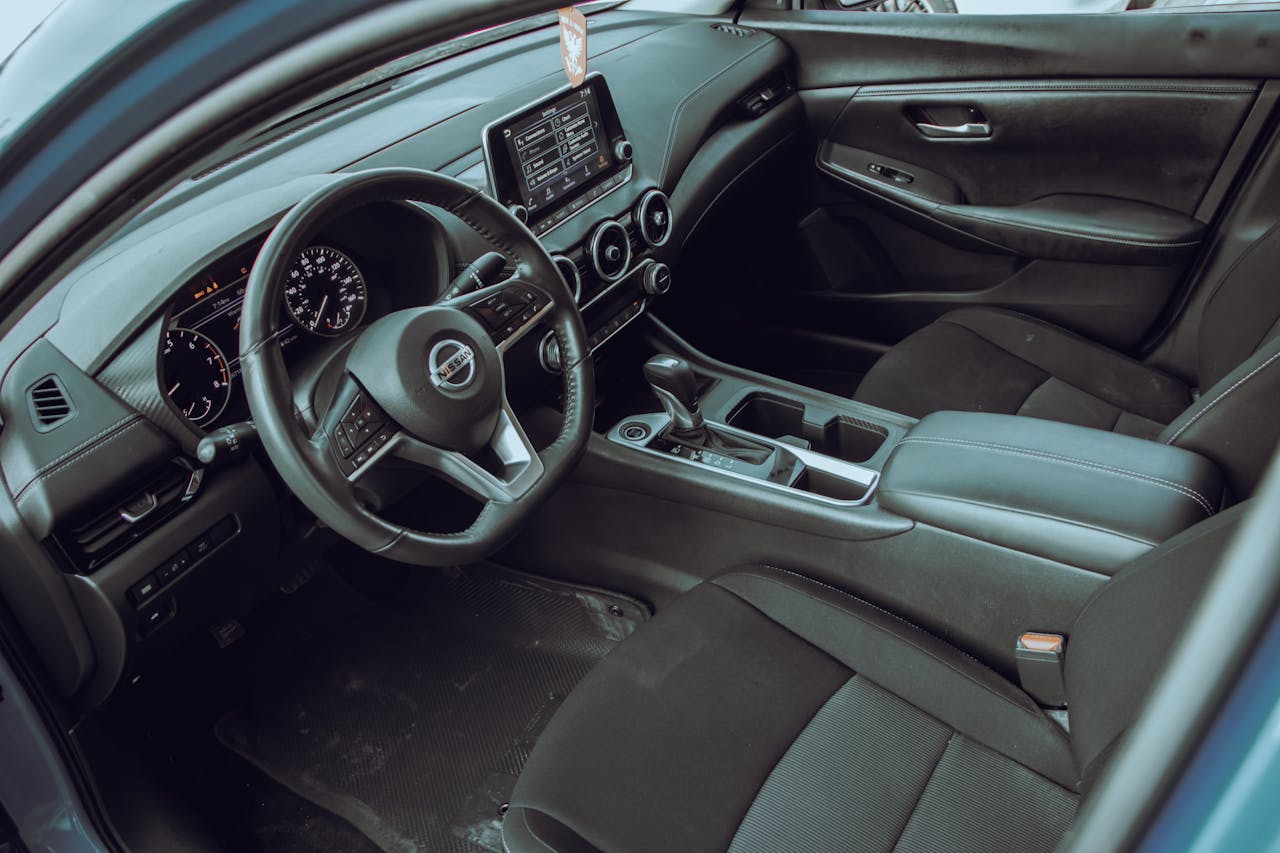
Power seats are a great feature when they work the way they're supposed to. With just the push of a button, you're able to slide, tilt, or raise your seat to get the most comfortable position for your ride. That comes in handy not only on long drives but also when multiple people share your vehicle and need different adjustments. When something goes wrong, though, that convenience disappears quickly.
Most drivers don’t think about seat controls until something stops working. If your seat won’t move forward, tilts randomly, or gets completely stuck, your drive will feel awkward and uncomfortable—if not unsafe. Knowing what causes these issues and spotting early signs can help you avoid bigger problems down the line. This is especially useful if you're spending a lot of time in your car around Long Island during the busy summer months.
Common Causes of Power Seat Malfunctions
Power seat problems are usually connected to issues with the electrical components, mechanical setup, or general wear caused by the vehicle’s environment. Here are the most common factors.
1. Electrical Problems
- A blown fuse can stop power from reaching the seat motor and switches altogether.
- Worn or disconnected wires interrupt the signal from your adjustment buttons.
- A faulty switch may fail to send any signal at all or give the wrong one when pressed.
2. Mechanical Failures
- Track misalignment keeps the seat from moving smoothly, or at all.
- If the gears inside the motor wear out, movement might become jerky or completely stall.
- The motor itself can fail over time, especially if it's used frequently.
3. Environmental Factors
- Small items like coins or clips can fall into the track and jam it.
- Dust, dirt, and pet hair often collect below the seat and get caught where they shouldn’t.
- Moisture from rain-soaked clothes, spills, or a leak can corrode electrical parts.
- General use over time causes both moving and electrical parts to break down.
For example, one driver had a seat that stopped moving just after vacuuming the interior. It turned out a small object had fallen into the track and blocked the movement. It’s a simple issue, but it shows how even minor disruptions can lead to confusing symptoms.
Since power seats rely on many small systems working together, one loose wire or broken part can throw off everything. Pinpointing the cause is the first step to getting everything back in working order.
Identifying Symptoms of Power Seat Issues
Power seat issues don't always appear all at once. Sometimes they start small and grow worse. Other times, the seat suddenly refuses to move. Here are a few signs to look out for:
- The seat doesn’t respond when you press the button. This is a clear sign of an electrical failure.
- It moves in only one direction or only part of the way. This could be a motor or alignment issue.
- You hear clicking, squeaking, or buzzing when using the controls. That often points to debris, a loose part, or failing tracks.
- The seat shifts on its own or acts unstable when driving. This isn’t just annoying—it can be a safety risk.
You might notice these problems right after your car has had other work done, especially if someone disconnected wiring while repairing something nearby. Paying attention to small changes can help stop a bigger breakdown before it starts.
A bad seat position affects more than just comfort. If you're sitting too far from the wheel or pressed up too close to the pedals, your control of the vehicle is affected. This is why paying attention to seat movement shouldn't be ignored.
Troubleshooting Steps for Power Seat Problems
If your seat starts to act up, there are a few basic things you can try before bringing it in to a Nissan service center in Long Island. These steps don’t require any special tools or auto repair skills, and they might help you narrow down the problem.
Start with the fuse. Check your owner's manual to find which fuse controls the power seat. If it’s blown, replacing it could solve the problem instantly. If the new fuse also blows, though, that might mean there’s a deeper electrical problem somewhere.
Look under the seat. Wires and connectors live under there, and it’s not uncommon for something to get knocked loose. Reconnecting a visible plug might fix things, but avoid pulling on wires or forcing anything.
Clear any debris. It’s easy for screws, coins, hairpins, or other small items to end up stuck in the seat track. Slide the seat all the way back and forward—if it moves—to check for anything blocking the rails.
Listen for strange sounds. Grinding, buzzing, or clicking usually means the motor or gears are struggling. That’s a sign that something more serious might be happening inside the seat.
If none of these checks fix the issue, or if you’re not sure what you're looking at, it’s smart to make an appointment with a Nissan service center in Long Island. Technicians there will have access to the tools and diagnostics needed to safely inspect and repair the seat.
Preventive Maintenance Tips for Power Seats
Keeping your power seats in good condition doesn't take much effort and can save you stress later. A little upkeep goes a long way in protecting both comfort and functionality.
- Vacuum under the seats regularly. That reduces the chance of anything blocking the track.
- Test all the seat movements once in a while to make sure every direction still works.
- Inspect connectors under the seat for anything that looks out of place or loose.
- Avoid spilling drinks or letting water sit on seat bases—moisture can ruin electronics.
- Avoid constantly adjusting the seat while driving, which causes more wear on motors and switches.
You can also schedule regular inspections at a trusted Nissan service center in Long Island. During a routine visit, technicians can spot wear on wiring, switches, or moving parts before they lead to breakdowns. They’ll also tighten up anything that’s beginning to shift out of alignment.
Maintenance checks like these offer peace of mind that your seat systems are working like they should, especially if your vehicle is several years old or sees a lot of passenger use.
Keeping Your Ride Comfortable
A well-positioned seat plays a big part in how enjoyable and safe your drive feels. When power seats stop working, it doesn’t just hurt comfort—it can also cause posture problems and reduce control behind the wheel.
Small signs like clicking noises or slow seat movement shouldn’t be brushed off. They may be early warnings of a problem that’s easy to fix now, but harder later. Addressing seat issues right after they start can help avoid more involved repairs.
Being proactive with cleaning and inspections keeps your seats running smoothly and reduces wear on electrical systems over time. Whether you’re heading to the store or going on a road trip, working power seats make every trip more enjoyable.
If your seat isn’t acting right or hasn’t been checked in a while, it could be time to look under the hood—or under the seat, in this case. Keep your vehicle comfortable and safe with a bit of preventive care.
To keep your power seats functioning smoothly, regular maintenance is key. If you're experiencing trouble with your seat or want to prevent issues from cropping up, consider scheduling a check-up. Trust a Nissan service center in Long Island to handle any concerns with expertise and care. Contact Nissan 112 to ensure your vehicle remains as comfortable as when you first drove it off the lot.