



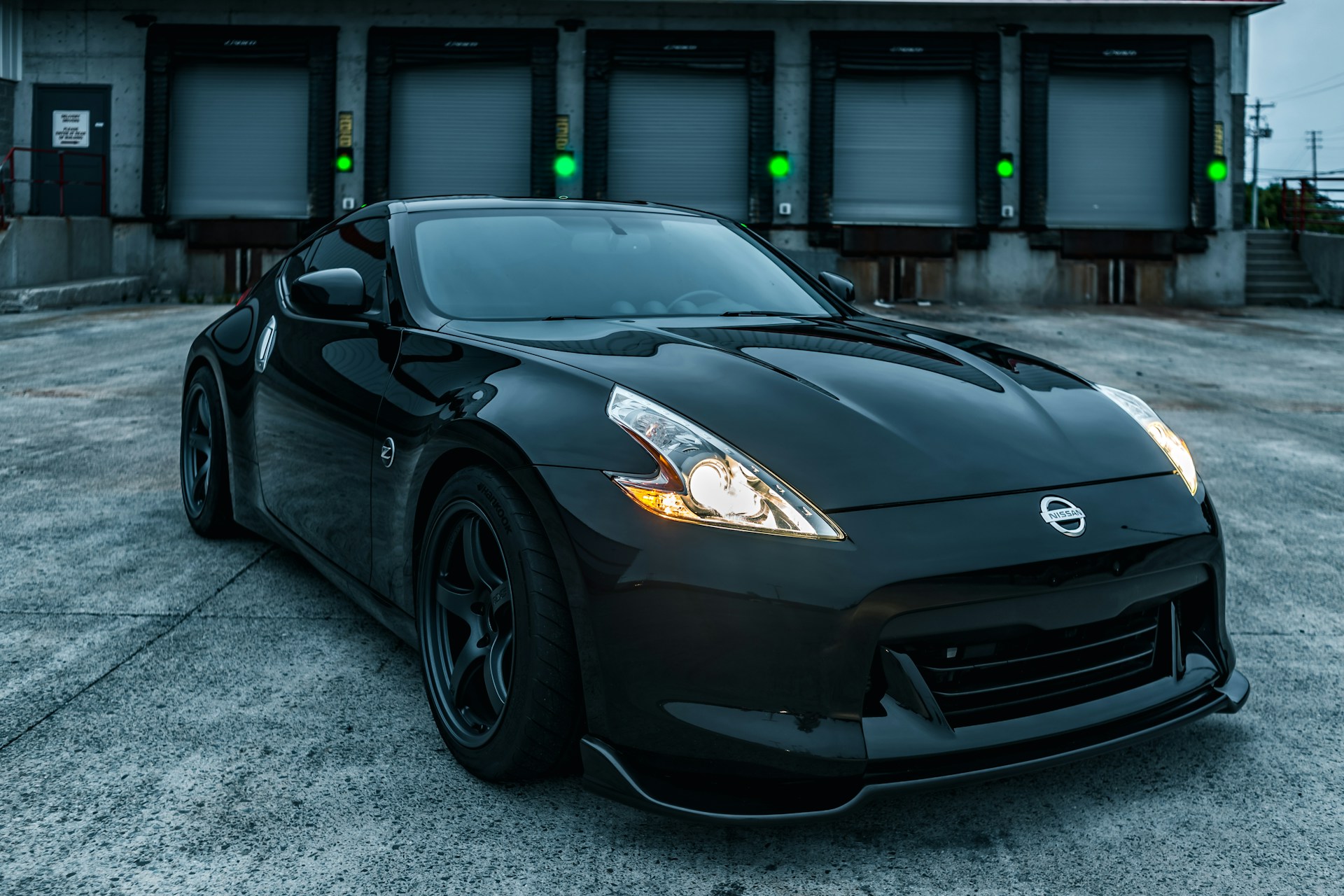
Ever hear a strange whistling sound while driving your Nissan and wonder what’s causing it? Most of the time, it’s not your imagination. That high-pitched sound coming through the cabin or hood area is your car’s way of telling you something could be off. While it may seem minor, that soft whistle can be an early hint of an issue that should be looked at before it gets worse.
Whistling sounds in your vehicle can come from various areas, like windows, doors, engine components, or even the air system. Some may be harmless, but others can grow into larger problems if left unchecked. Whether it’s a worn seal or an air leak under the hood, narrowing down the source early makes a big difference. Drivers in Long Island, where changing seasons bring fluctuating pressures and road conditions, should pay close attention to any new or odd noises. Let’s break down a few reasons your Nissan might be whistling and what to look out for.
Common Causes Of Whistling Sounds
There’s no single cause for a whistling sound. Sometimes it’s an innocent draft sneaking through a loose window. Other times, it could be something more serious happening inside the engine. Here are a few common causes that might explain the noise:
1. Air leaks
If you hear whistling only at higher speeds, like driving on the Long Island Expressway, it could be due to air sneaking through a loose seal. Windows, sunroofs, or even tiny door gaps can pull in rushing air as your speed goes up. Over time, wear and tear on door seals make these gaps more common.
2. Worn weather stripping
The rubber linings around the door frames and windows are meant to keep air out and heat in. When they dry out, crack, or shift out of place, they don’t seal as tightly. That sloppy fit lets air squeeze in and ends up sounding like a distant whistle you can’t place.
3. Engine-related issues
A whistling sound coming from under the hood could be more than just airflow. Things like vacuum leaks or loose air intake hoses can create a high-pitched squeal as air escapes or gets pulled in where it shouldn’t. This might even affect how your Nissan accelerates or runs overall.
One good example? A driver hears a high-pitched whistle every time they hit the gas after idling at a red light. It’s not coming from the speakers or vents but seems to come from the engine area. After a quick inspection, it turns out the air intake hose has a small crack, something not visible unless you're looking for it.
If the sound appears only when speeding up or under the hood after shutting the car off, don’t ignore it. It’s often your Nissan asking for some attention.
How To Identify The Source Of The Sound
Tracking down a whistle isn’t always easy, but narrowing it down makes repairs quicker and less stressful. Simple checks and observations can help identify where it’s coming from.
Try these steps:
- Walk around the car while it’s parked and idling. Listen closely near the doors, windows, and hood.
- Gently pull on each door to see if the seals are loose or uneven.
- Run your fingers along the rubber weather stripping to check for cracks or flat spots.
- While driving, note when the sound appears. Is it when you speed up, while idling, or during braking?
- Turn off the AC or HVAC system and see if the noise disappears. If it does, the issue might be air movement inside the cabin.
If it all seems normal from the outside, don’t rule out issues deep inside the engine. A trained eye will be able to spot vacuum leaks, damaged lines, or loose clamps that are harder to detect on your own. That’s where a certified Nissan service in Long Island comes in. They’ve seen and heard enough to zero in on unusual noises fast.
Tracking when the whistle starts, how often it appears, and whether it changes with speed or weather can help the technician troubleshoot the issue more accurately. Keep a quick note on what conditions bring on the sound. It’s small details like that which often lead to quick fixes over bigger repairs.
When To Seek Professional Help
If that whistling sound keeps showing up no matter what speed you're going or how long the car's been running, it's time to loop in a professional. A well-kept Nissan shouldn’t be making noises that resemble a tea kettle. When these sounds stick around and don't go away with simple checks like closing windows tight or adjusting vents, something deeper might be going on.
Keep an ear out for other signs that suggest trouble beyond the noise:
- Reduced acceleration or a drop in fuel efficiency
- Squealing or hissing from the engine bay, even when idling
- A check engine light popping on unexpectedly
- Whistling in sync with throttle input or while braking
- Strange smells, especially along with a high-pitched noise
These red flags usually mean more than just a loose seal or cracked rubber. There could be broken hoses, faulty gaskets, or air sneaking into parts of the engine where it shouldn’t. At that point, poking around yourself can make things worse. It’s safer and smarter to bring it into a service center where trained eyes and diagnostic tools can get right to the real issue.
One customer in Long Island noticed their Nissan started whistling after a particularly rainy week. At first, it was just a light whine during acceleration. Then, within a few days, the engine stuttered and stalled at a stoplight. Turned out moisture had worked its way into a cracked sensor housing, messing with air intake readings. Catching the sound early and making the trip to a technician saved them from what could have become a bigger repair bill.
If something keeps whistling beyond a few short drives or changes with outside temperature, it’s smart to have it checked sooner than later.
Keeping Your Nissan Running Smoothly
Any odd sound your car makes should get your attention. But whistling feels especially sneaky. It’s often quiet, doesn’t always happen with clear patterns, and might go away for days before coming back. The key is staying alert and not brushing it off. Your car likes to talk, and whistling is one way it says something’s not quite right.
Little things go a long way when it comes to your Nissan’s health. Avoid slamming doors and windows, watch for changes in cabin noise when weather changes, and don’t skip scheduled maintenance. Embracing an early fix, no matter how small, keeps you safer on the road and could keep costs down too.
And come winter in Long Island, quiet operation becomes even more important. Cold temperatures and road salt can speed up wear on weather seals and engine components. So if your car’s making odd noises, it’s better to act before any snow hits.
A smooth, silent ride doesn’t just feel better. It’s a sign your Nissan is sealed tight and running well. And when whistling isn’t part of the soundtrack, every trip feels that much better. Whether you’re commuting on Sunrise Highway or heading out for a weekend drive, catching these little clues helps you stay ahead of bigger problems.
If the whistling in your Nissan has been a persistent mystery, don’t let it ruin your drive. Trust the expertise of Nissan service in Long Island to diagnose and resolve any underlying issues, ensuring your car stays in top condition. Nissan 112 is here to help you get back to quieter, more comfortable driving with confidence.