



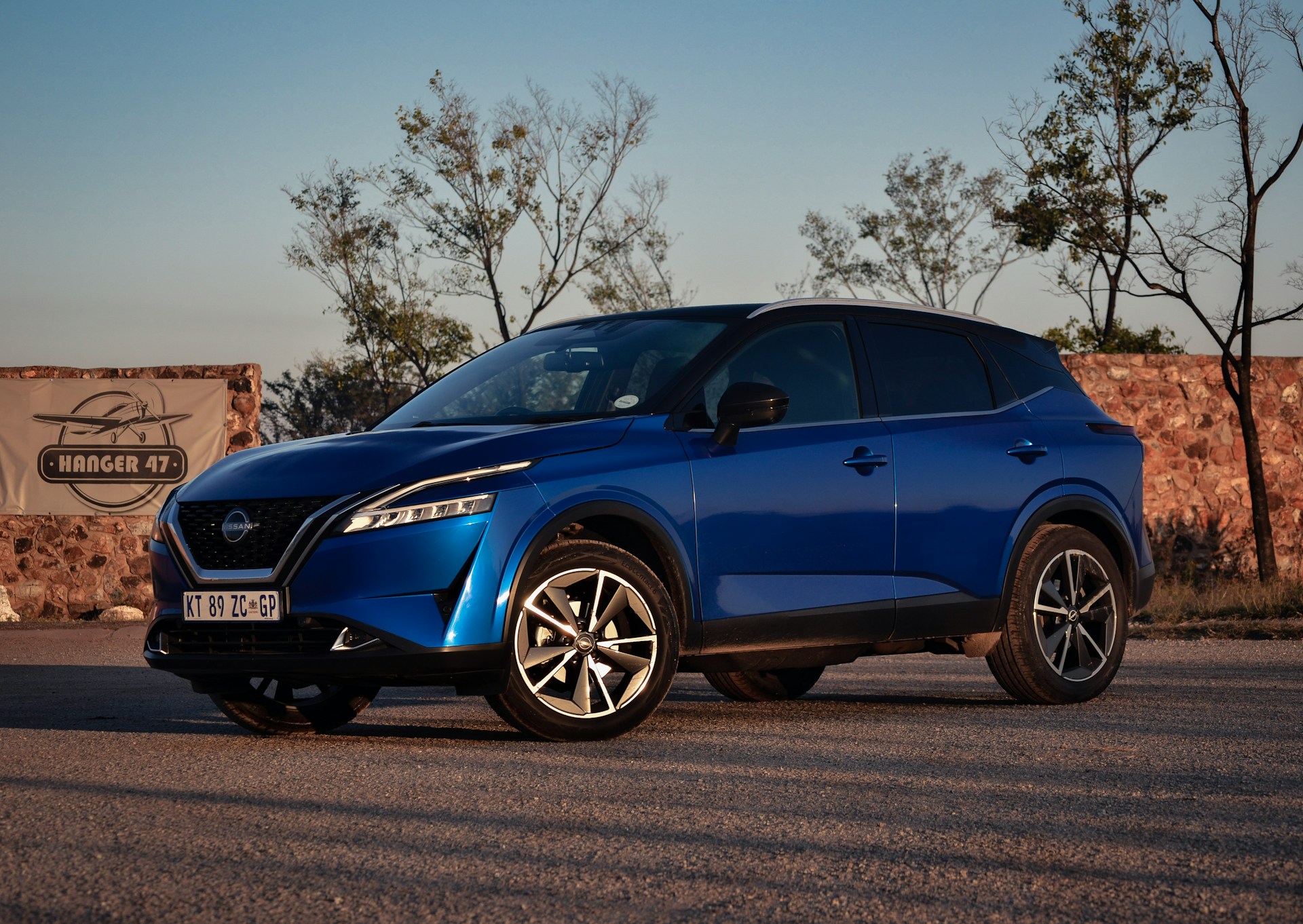
Hearing a grinding noise coming from your Nissan can be concerning, especially if it shows up without warning. Whether you're just pulling out of your driveway or slowing down at a light, that harsh, metal-on-metal sound can turn a regular drive into a stressful experience. It’s one of those car sounds that usually means something's worn down or out of place, and it’s not something you want to ignore.
For drivers in New York, where road conditions change with the seasons and traffic keeps your vehicle in stop-and-go mode more often than not, sounds like this are worth getting checked early. Cold weather can make some noises stand out, but grinding that sticks around probably means there's a deeper problem. Finding out what’s behind it can help you avoid more serious damage and higher repair costs.
Common Causes of Grinding Sounds
That grinding sound usually means something mechanical is having a tough time. It often involves parts rubbing together when they really shouldn’t be. Here are some of the most common reasons your Nissan might be making a grinding noise:
1. Worn Brake Pads
Brake pads wear down over time, especially if you’re dealing with a lot of traffic or stop-and-go driving. When they get too thin, the metal base of the pad can touch the brake rotor, and that’s when you get that sharp grinding sound. If you hear it mostly when braking, the pads could be the issue.
2. Failing Wheel Bearings
Wheel bearings help your wheels spin smoothly. When they start to go bad, they can make grinding or humming sounds that get worse with speed. You’ll usually hear it while driving, not just braking, and the sound can stay steady. You might even feel a little vibration in the steering wheel.
3. Transmission Trouble
If grinding happens when you shift gears, there could be a problem with the transmission. It could mean the gears are worn or there's not enough transmission fluid. Whether it's automatic or manual, grinding during shifts needs to be looked at quickly since it affects how your car drives.
4. Debris or Rust
Sometimes small objects like road salt, sand, or tiny stones get lodged between the rotor and brake pad. This can cause a temporary grinding sound. Rust can also build up overnight due to moisture, especially in the colder months. Rust-related noise usually fades after you've driven a bit, but more serious grinding shouldn't be ignored.
5. Worn Suspension or Steering Parts
Not as common, but still something to consider, worn suspension or steering parts can create grinding noises when turning. You may also notice a shaky ride, weird tire wear, or poor response when steering.
Figuring out when the grinding happens—like during braking, gear shifts, or turns—can help you figure out what’s going wrong. For example, a Long Island driver might hear louder grinding after driving through slush or road grit in December. That might mean something’s stuck near the brakes. But if the sound doesn’t clear up or keeps getting worse, it's better to get it looked at before damage spreads.
Why Ignoring the Sound Can Be Harmful
If your Nissan starts making a grinding noise, pretending it’s not there can lead to much more expensive fixes. What starts as a small issue can turn into something big if left alone.
Worn brake pads might grind for a while before causing damage to your rotors. Getting pads replaced is fairly simple and quick, but if it gets to the rotors, the job becomes more involved, more expensive, and takes longer.
A failing wheel bearing is even worse. Not replacing it in time puts a lot of stress on your suspension and creates a safety risk. In some cases, the wheel can start to wobble or even come loose. That’s definitely not something you want happening when you're driving, especially during icy New York winters.
Ignoring grinding that happens during gear shifting could lead to major transmission problems. That kind of stress on the gears can cause slipping or total failure over time. Catching it early often means a small repair or fluid refill. Letting it go could mean having to replace your whole transmission.
How to Diagnose the Issue
Chances are, the first sign you’ll notice is the sound itself. Pay attention to when it starts and what you're doing at the time. That can help point to where the problem might be.
Here are a few early clues to watch for:
- Does the grinding only happen when you brake? That could mean the pads are worn or there’s debris caught near the rotor.
- Does the sound get louder as you drive faster, even when you’re not using the brakes? You could be dealing with wheel bearing trouble.
- Is the noise worst when shifting between gears? The transmission might be wearing down or low on fluid.
- Do you hear the sound first thing in the morning, but it fades? Rust on the rotors might be to blame.
While these hints help, they don’t always tell the whole story. The safest move is to take your car into a Nissan service center in New York for a proper inspection. A trained technician can raise the vehicle, run checks, and use equipment that reaches areas most drivers can’t access. They’ll check the brake system, bearings, suspension, and transmission to see what's going on. Sometimes that grinding sound helps uncover hidden problems you didn’t even know were there.
If the noise has been around for a bit or seems to be getting worse, waiting only increases the risk of long-lasting damage. A quick check today could help prevent larger problems tomorrow.
Getting Help from Nissan 112
If your car is suddenly making a grinding noise, don’t wait for it to turn into a bigger problem. At Nissan 112, we’ve helped plenty of Long Island drivers figure out what’s causing mystery sounds, including hard-to-pin-down grinding during cold weather.
We check everything from brake pads to rotors and wheel bearings to see what needs to be fixed. Our tools are built to match your vehicle, which means quicker and more accurate results. We also understand how local factors like potholes, salt, and snow affect your car during the winter months.
Our process is clear, fast, and avoids guesswork. We always aim to fix what's wrong before it becomes more serious. Since we're part of the community, we know exactly how to handle the types of problems NY drivers see every season.
Drive Smoothly with Peace of Mind
Odd car sounds like grinding usually mean something’s wrong. And when you're juggling holiday plans, cold mornings, and heavy traffic, it’s tempting to wait it out. But that sound probably won’t go away. Most of the time, it’s letting you know something’s not as it should be.
If you've been hearing grinding when braking, turning, or shifting gears, don’t wait for the problem to grow. Having a trained technician who knows Nissan vehicles thoroughly can take care of it fast. There's no reason to keep guessing, wondering, or stressing out about what’s going on under the hood.
Fixing it now means safer driving and a much quieter ride. Whether you’re commuting or heading out with family, you deserve a car that moves the way it’s supposed to—smoothly and without question. Let’s catch the issue early and keep your Nissan on the road where it belongs.
If you're hearing a grinding noise in your car, it's best to take care of it before it turns into something costly. For expert help and fast answers, turn to our trusted Nissan service center in New York. At Nissan 112, we have the team and tools to get your vehicle running smoothly again, so you can drive without the stress.