



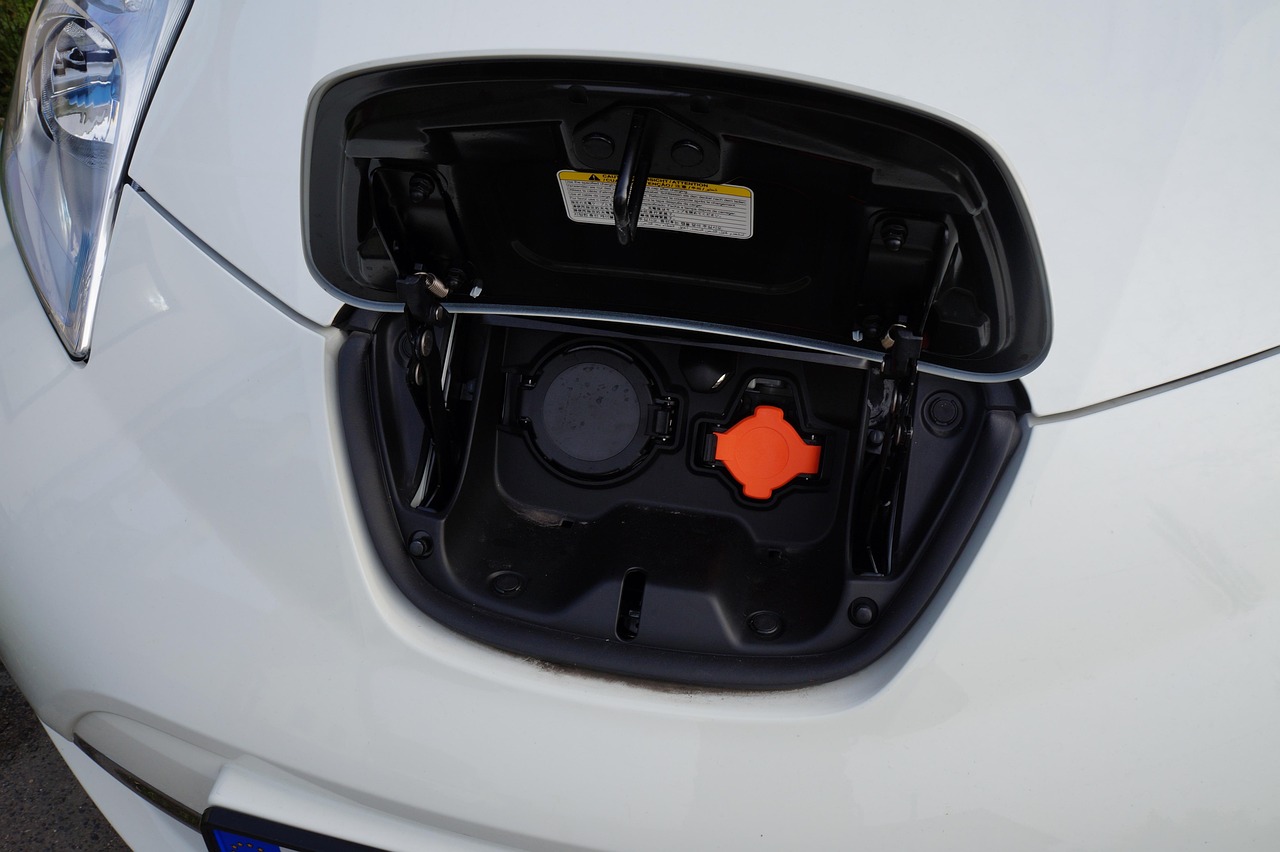
Owning a Nissan Leaf on Long Island is a smart way to cut gas, cut emissions, and enjoy a quiet ride. At some point, though, every Leaf owner starts to think about the battery and what happens when it gets older. That is where understanding Nissan Leaf EV battery replacement really pays off.
In this guide, we will walk through how the Leaf battery works, what signs to watch for, how replacement is done, and how to make your battery last as long as possible in local conditions. Our goal is to help you feel calm, informed, and ready to plan for the long term, not stress about surprises.
What Long Island Drivers Should Know About Leaf Batteries
The Leaf’s main battery is a large high-voltage pack under the floor. It stores energy for the electric motor, much like a very advanced version of the battery in your phone. Over time, the battery slowly loses some capacity, which means your total range can shrink a bit.
How long it lasts depends on things like:
- Daily driving distance and speed
- How often you fast charge
- Heat, cold, and humidity
- How high you charge and how low you run the battery
Long Island driving can be tough on any EV. Stop-and-go traffic on the LIE or Sunrise Highway, long commutes from Brookhaven toward Huntington or Queens, and salty coastal air all add up over the years.
Many owners worry about:
- Losing range faster than they expected
- Seeing fewer capacity bars on the dash
- Getting a battery health warning
It is important to know that some range loss is normal aging, not a sign of failure. A real problem usually shows up as sudden, sharp changes in range or warning lights that will not go away. For most Leaf owners, battery replacement is a long-term maintenance choice that you plan for, not an emergency breakdown.
Signs Your Leaf May Be Ready for a New Battery
The first hint that your Leaf’s battery is aging usually shows up in your daily drive. Pay attention to how far you can go on a full charge on routes you know well.
Some signs to watch for include:
- A big drop in miles per charge on your normal trip, like from Port Jefferson toward Queens
- Needing to charge more than once a day for the same commute you used to do on a single charge
- Range dropping faster as the weather warms and you use AC more often
Your dashboard gives you clues too. The capacity bars show the battery’s overall health. Losing one bar over a long period can be normal aging, but losing several in a short time is worth checking.
Be alert for:
- EV System Warning Light staying on
- Battery or charging system alerts that come back after restarting
- Messages about limited power or reduced performance
You may also feel changes in real-world driving. For example:
- Slower charging compared to what you are used to
- Noticeable power loss when merging onto the LIE or climbing a hill
- The car feels fine around town, but voltage drops fast at highway speeds
If you are seeing more than one of these signs at the same time, your Leaf may be getting close to needing a deep check of the battery.
How Nissan Leaf EV Battery Replacement Works
When you bring your Leaf to a Nissan dealership for a battery concern, we do not jump straight to replacement. We start with a full diagnostic so we know exactly what is going on.
A typical visit usually includes:
- Checking battery health data and capacity
- Running software scans for error codes
- Inspecting the charging system, connectors, and cooling paths
- Looking at driving and charging patterns that might affect battery life
There is a big difference between normal capacity loss, a defective cell or module, and a problem with the charging system. A pack with normal aging might just need monitoring. A faulty cell might be repairable under warranty. A charging issue might not be a battery problem at all. This is why it is important to let trained Nissan technicians make that call.
If a full Nissan Leaf EV battery replacement is needed, the basic steps are:
- Safely powering down and securing the vehicle
- Disconnecting the high-voltage system using proper safety tools and gear
- Removing the old battery pack from under the vehicle
- Installing the new genuine Nissan battery pack
- Reconnecting, updating, and testing all related systems
- Road testing to confirm proper performance and range behavior
High-voltage work is not something to try on your own. It requires special training, tools, and safety procedures to protect both the technician and your Leaf.
Costs, Warranty Coverage, and Long Island Incentives
The cost of Nissan Leaf EV battery replacement depends on several factors. We cannot give exact numbers here, but we can explain what affects the price.
Key cost drivers usually include:
- Leaf model year and trim
- Battery size and type
- Whether the work uses brand-new genuine Nissan parts
- Labor time and any related repairs or updates
Nissan battery warranties typically cover both time and mileage, plus a certain level of capacity. If the battery health falls below that coverage standard within the warranty period, you may qualify for repair or replacement at a reduced cost or sometimes no cost, depending on the situation and warranty terms.
For Long Island drivers, it can also help to look at local energy benefits. A fresh, healthy battery can:
- Make it easier to take advantage of off-peak electric rates from local utilities
- Help you charge less often, which can lower your total power use
- Give you more usable range when AC use is high in the summer
This way, the long-term savings and ease of use can offset some of the cost over time.
Maximizing Leaf Battery Life in Long Island Weather
Good daily habits go a long way toward stretching your battery life. The goal is to avoid extra stress on the pack when you do not need it.
Helpful everyday tips include:
- Avoid frequent fast charging all the way to 100 percent
- Try not to leave the car parked with a full charge in summer heat
- Use scheduled charging so the car finishes charging closer to your departure time
- Do not run the battery very low on purpose if you can avoid it
Long Island weather brings hot, humid summers and chilly winters. In the warmer months, try to:
- Park in shade when possible
- Use preconditioning while plugged in, so the cabin cools using grid power
- Set a moderate climate control temperature instead of max cold
In colder months, range can drop, especially if you rely heavily on the heater. You can help by:
- Using seat and steering wheel heaters if your Leaf has them, since they draw less power
- Allowing extra time for preheating while plugged in
- Driving smoothly so the car can recapture more energy during braking
Regular service is another piece of the puzzle. Staying current with recommended maintenance and software updates helps the Leaf manage the battery as efficiently as possible. Periodic battery health checks can catch early signs of trouble and help you plan ahead instead of being surprised.
Drive Farther, Worry Less with Help From Nissan 112
A Leaf with a healthy battery, or a freshly replaced one, can easily handle Long Island life, from weekday commutes to weekend beach trips and city runs. When you understand how your battery ages, what the warning signs look like, and what replacement involves, that range number on the dash feels a lot less stressful.
At Nissan 112, we care about making electric ownership simple and predictable for local drivers. With factory-trained EV technicians, genuine Nissan batteries, and clear guidance on timing, warranty questions, and long-term planning, we are here to help you get the most from your Nissan Leaf for years to come.
Extend Your Nissan Leaf’s Life And Performance Today
If you are starting to notice reduced range or performance, our team at Nissan 112 is ready to help you explore your Nissan Leaf EV battery replacement options. We will walk you through what to expect, review costs, and help you decide on the best solution for your driving needs. To schedule a visit or ask questions, simply contact us and we will follow up promptly.