



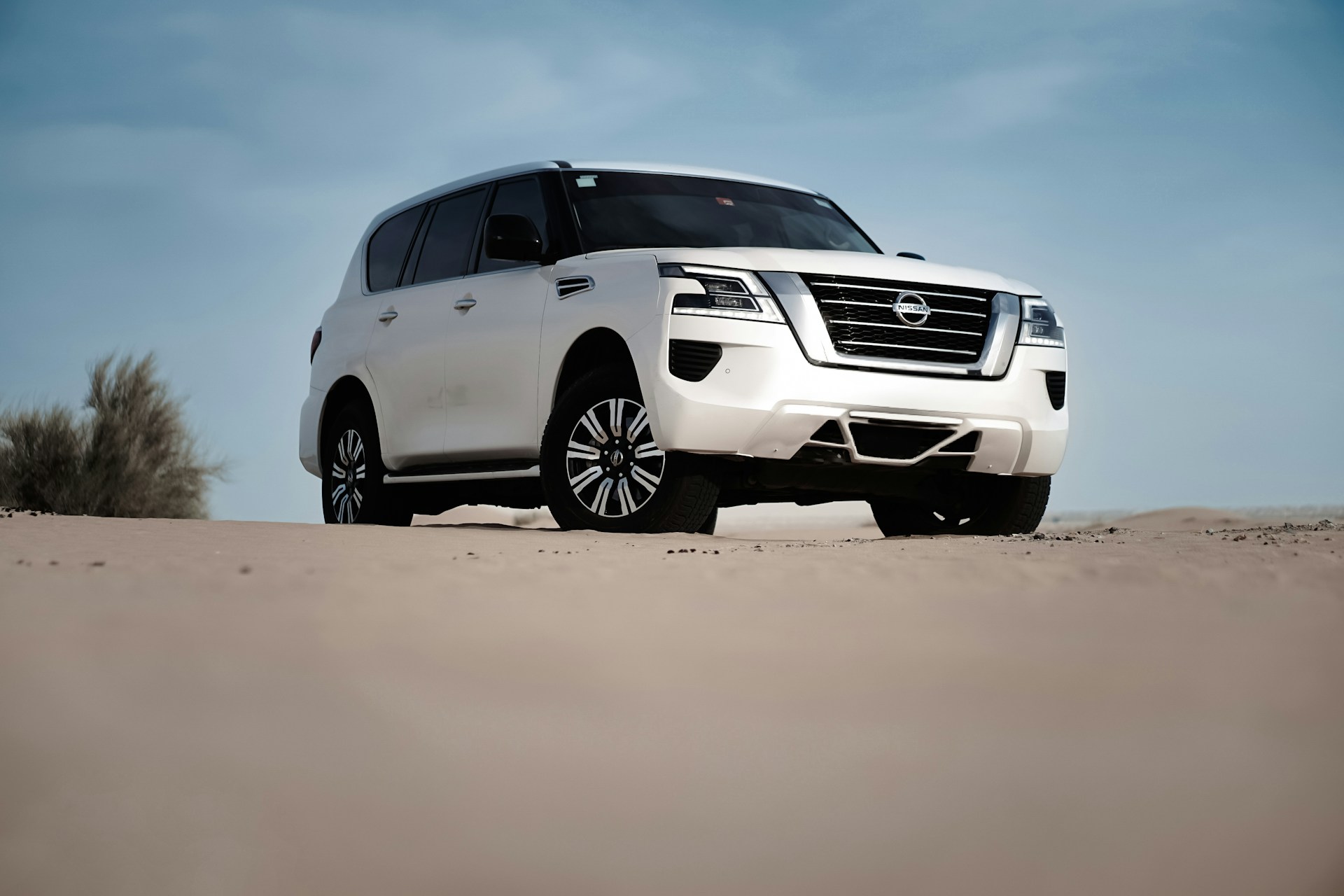
Long Island summer driving is tough on brakes. Between crawling toward the beach on Sunrise Highway, stop-and-go on the LIE, and tight traffic near the villages, your brake system works hard almost every mile. When the heat kicks in and the AC is blasting, weak parts in your brakes start to show up fast.
If your brakes start to feel “off,” it can be hard to know what is really wrong. Do you need a Nissan brake service with a full fluid flush, new pads and rotors, or some mix of all three? We will break down what each part does, how summer heat and local traffic wear things out, and how to tell what your Nissan might actually need.
Beat Long Island Heat with Safer Summer Braking
On a hot weekend, it can take a long time to get from Patchogue to the water. Your foot goes from gas to brake over and over again. The pavement is hot, the air is thick, and your brakes are turning motion into heat with every stop.
That heat does not just disappear. It soaks into your brake pads, rotors, and even your brake fluid. When those parts are already worn, summer driving can make small issues feel much worse. Pedals feel soft, the car takes longer to stop, or you hear sounds you do not like.
The big question many drivers have is simple: is this a brake fluid problem, a pad and rotor problem, or both? Knowing the basics of how each part works is the first step to getting the right brake service, instead of guessing.
What Brake Pads, Rotors, and Fluid Actually Do
Your brake system is a team, and each piece has its own job.
- Brake pads press against the rotors to create friction
- Brake rotors spin with the wheels and absorb that heat and friction
- Brake fluid carries your foot pressure from the pedal to the brakes at each wheel
When you press the brake pedal, the master cylinder pushes brake fluid through lines to each wheel. That pressure makes the calipers clamp the pads onto the rotors. The pads grab, the rotors resist, and your Nissan slows down.
Modern ABS and stability systems need all of this to work smoothly. They rely on:
- Pads with enough material left to grip
- Rotors that are not too thin, warped, or deeply grooved
- Brake fluid that is clean and able to handle high heat
Pads and rotors are normal wear items. They wear down every time you stop. Brake fluid does not wear the same way, but it does age. Heat and moisture slowly break it down over time, especially in hot, humid summers. Old, wet fluid can boil sooner, corrode internal parts, and make your pedal feel soft.
How Long Island Summer Driving Wears Pads and Rotors
Local roads work your pads and rotors hard. Long, slow lines toward the Hamptons, red lights around Patchogue and Port Jefferson, and city-style braking for commuters heading through Brooklyn and Queens all add up to constant stopping.
All that stopping leads to:
- Higher brake temperatures
- Faster pad wear
- Rotor surfaces that can glaze, warp, or groove
Common signs your pads or rotors need attention include:
- Squealing or chirping when you brake
- Grinding sounds, like metal on metal
- Vibration in the pedal or steering wheel
- The car pulling to one side when braking
- Longer stopping distances or a burning smell
When you bring your Nissan in for brake service, trained technicians will:
- Measure pad thickness to see how much material is left
- Inspect rotors for grooves, cracks, and heat spots
- Check rotor thickness to see if it is still within safe range
If rotors are smooth and thick enough, they might be able to be resurfaced. If they are too worn or damaged, they need to be replaced with new parts so the pads can grip correctly.
When a Brake Fluid Flush Matters More Than You Think
Brake fluid is hygroscopic, which means it slowly pulls moisture out of the air. On Long Island, where summers are hot and humid, that process happens even faster. Over time, this moisture:
- Lowers the boiling point of the fluid
- Raises the risk of internal rust and corrosion
- Makes the system more likely to lose performance under heavy use
When brake fluid gets old and wet, you may notice:
- A soft or spongy pedal
- A pedal that sinks lower when you hold steady pressure
- Reduced stopping power after repeated hard stops, like on long downhill drives or in heavy traffic
Even if your pads and rotors still have life left, worn-out fluid can make the brakes feel weak or inconsistent. Factory maintenance schedules give general time or mileage guidelines for brake fluid, but real-world driving often calls for shorter intervals, especially for:
- Daily commuters stuck in stop-and-go
- Drivers who take frequent summer beach trips
- Vehicles that tow or carry heavy loads
A professional fluid flush replaces old fluid with fresh fluid and removes trapped air, which can restore pedal feel and help protect internal parts.
Brake Fluid Flush vs. Pad and Rotor Replacement
When your brakes do not feel right, it is not always clear which service will help most. Each option has its own impact.
A brake fluid flush can:
- Improve pedal feel and consistency
- Help ABS and stability systems operate as designed
- Reduce the chance of internal corrosion
Pad and rotor replacement can:
- Remove grinding, squealing, and vibration
- Shorten stopping distances
- Bring braking performance back to what you expect
At a professional Nissan brake service visit, technicians will usually:
- Road test the car to feel the complaint
- Look at pads and rotors for wear, grooves, and heat marks
- Measure pad thickness and rotor thickness
- Check brake fluid color, condition, and sometimes moisture level
From there, they can figure out if you mainly need a fluid flush, hardware replacement, or both. For example, a low-mileage lease that has spent a lot of time in traffic might have plenty of pad left but very old fluid, so a flush makes a big difference. A high-mileage commuter Rogue or Altima that sees the LIE every day may need new pads, fresh rotors, and a fluid service to be ready for another busy summer.
Smart Maintenance Timing for Long Island Drivers
Planning brake service before trouble shows up is much easier than dealing with surprise repairs. A simple rhythm can help:
- Spring or early summer brake check before peak travel
- A check before big trips to Montauk or out of state
- Extra attention if you tow a boat, camper, or trailer
General guidelines many drivers follow are:
- Pads: often inspected at every service visit and replaced when the material gets low
- Rotors: replaced with pads when they are worn, warped, or below safe thickness
- Brake fluid: replaced by time or mileage, or sooner for heavy stop-and-go use
Driving style, traffic, and where you park all play a part. Some drivers can go longer between services, while others need them sooner. Having factory-trained technicians inspect your Nissan on a regular schedule, using parts made to fit your model, helps keep your brake system ready for long, hot days on Long Island.
Protect Your Stopping Power With Expert Brake Care
Keep your Nissan ready for every stop with professional service from Nissan 112. Schedule your next Nissan brake service so our factory-trained technicians can inspect, repair, or replace critical components before small issues become costly problems. If you have questions about symptoms you are noticing or need help booking an appointment, feel free to contact us today.