


Drive More Earnings on Long Island With the Right Nissan
Choosing the right car can make a huge difference in what you actually bring home from driving for Uber, Lyft, or other rideshare apps on Long Island. Your vehicle is your office, your break room, and your main tool for earning money. If it costs too much to run or is uncomfortable to drive, it eats into your time and your paycheck.
Fuel economy, comfort, reliability, and the way your monthly payment is set up all affect your bottom line. A car that gets good gas mileage, keeps riders comfortable, and stays in the shop less often can help you keep more of what you earn. At the same time, the right payment plan can help you handle slow weeks without extra stress.
So the big question for many drivers in Suffolk County and Nassau County is simple: is it smarter to lease or to buy a Nissan for rideshare work? Both choices can work well, and which one is better depends on how, when, and where you drive. Our goal is to help you understand your options so you can pick the one that fits your life and your goals.
Why Rideshare Drivers Love Nissan on Long Island
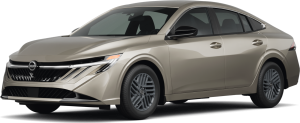
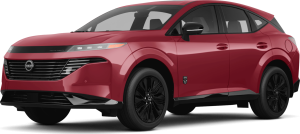
Rideshare drivers tend to look for the same things: comfort, space, fuel savings, and reliability. Several Nissan models fit those needs very well for Uber and Lyft work on Long Island roads.
Popular choices for many working drivers include:
- Nissan Sentra for budget-friendly commuting and solid fuel economy
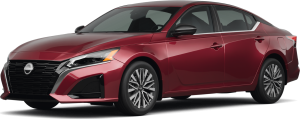
- Nissan Altima for a smooth ride and roomy cabin
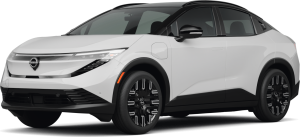
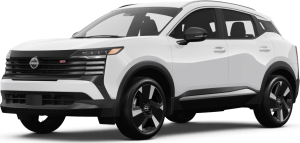
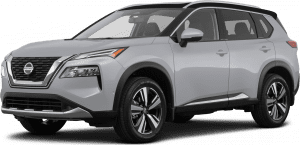
- Nissan Rogue and Rogue Sport for flexible cargo space and higher seating
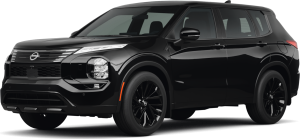
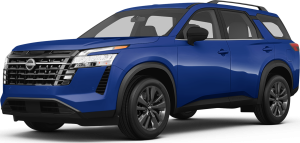
- Nissan Pathfinder for larger groups and airport or event trips
These models are built with the kind of space and comfort that help riders feel good on longer rides along the Long Island Expressway or Sunrise Highway. Roomy back seats make airport runs to JFK and LaGuardia more pleasant, especially when people have luggage. A quiet cabin and smooth ride can also mean better ratings and tips.
Modern tech features can help keep your day easier too. Many current Nissan models offer:
- Apple CarPlay and Android Auto compatibility for simple phone and app use
- Available driver-assist features to help with traffic and parking
- Clear touchscreens and controls that are easy to use while on the move
When you put a lot of miles on your car every week, reliability and warranty coverage matter a lot. A dependable vehicle is less likely to be down for repairs, which means more hours on the road and less time waiting. Keeping up with regular maintenance can also help you avoid surprise costs and keep your rideshare work steady.
Leasing a Nissan for Uber: Pros, Cons, and Fine Print
Leasing can be very appealing, especially when you first start rideshare driving or if you are planning to drive part-time. Nissan car leasing deals can often provide lower monthly payments compared to buying, and they may require less money at signing. This can free up cash for gas, tolls, and other day-to-day expenses.
Some benefits drivers like with leasing include:
- Lower monthly payments compared to many finance options
- The chance to drive a newer car more often
- Warranty coverage that often lines up with the lease term
But leases come with rules, and you need to understand them before using the vehicle for rideshare. The biggest issue for most Uber and Lyft drivers is the mileage limit. Standard leases set a certain number of miles per year. Rideshare drivers often hit that number quickly, especially if they:
- Drive daily during rush hour
- Do frequent airport trips
- Cover both Suffolk and Nassau counties in the same week
Going over your mileage limit usually leads to extra fees. That can add up fast if you are on the road a lot. Normal wear and tear rules also apply, and heavy rideshare use might cause more interior wear than a typical personal-use car.
It is also important to be clear about how you plan to use the vehicle. When you review Nissan car leasing deals, talk openly about using the car for Uber or Lyft work. That way, you can look at options that make sense for higher mileage, or decide if buying is going to fit your situation better.
Buying or Financing a Nissan for Full-Time Rideshare Work
If you plan to drive full-time, buying or financing your Nissan can often make more sense than leasing. When you own the car, you do not have to worry about mileage limits or extra fees for driving more than expected.
Key advantages of buying or financing include:
- No mileage penalties, no matter how many trips you complete
- The chance to build equity in the car over time
- Freedom to keep driving after the loan is paid off
Being able to customize your car is another plus. Some full-time drivers like to add seat covers, extra phone chargers, or other items to make long days more comfortable for both themselves and their riders.
Financing also gives you more flexibility with the age and type of vehicle you choose. New models can bring the latest comfort and safety features. Certified pre-owned Nissan vehicles can be a strong middle ground for working drivers who want value, quality, and some added peace of mind without choosing brand-new.
With financing, it helps to think about the long view. Once your loan is paid off, your monthly costs can drop a lot, but your earning potential stays the same or can even go up. Many drivers see that as a path to higher profit over time.
Leasing vs. Buying: Crunching the Numbers for Long Island
To decide between leasing and buying, you want to look at the whole picture, not just the monthly payment. Think about what your total cost might look like over three or four years of rideshare work across Long Island.
You can compare options by listing:
- Estimated monthly lease or finance payment
- Average weekly fuel costs based on miles and traffic
- Maintenance and repair estimates
- Expected mileage and any possible lease overage fees
Long Island traffic can be unpredictable, with a mix of highway driving, local streets, and stop-and-go backups. That affects both fuel use and how quickly your car racks up miles. Add in tolls, parking, and seasonal changes in demand, like summer beach trips or holiday airport rides, and your actual earnings can swing from week to week.
A helpful way to think about it is to find your own break-even point. Ask yourself:
- How many hours per week do I plan to drive?
- What is my average trip length and route style?
- How long do I plan to keep doing rideshare work?
If you expect to drive very high mileage for several years, buying or financing may give you better long-term control and profit potential. If you plan to test rideshare part-time for a shorter period, a lease might fit, as long as you can stay within your mileage limits.
Timing Your Nissan Deal for Rideshare Success
Timing your next vehicle choice around your driving plans can help you make the most of busy periods on Long Island. Many drivers like to get into the right car before summer and fall travel picks up. Warmer months often bring more trips for beaches, wineries, concerts, and events, as well as airport traffic from visitors.
Preparing early lets you:
- Get comfortable in your new vehicle before peak demand
- Set up your preferred apps, chargers, and storage
- Plan your maintenance schedule around busy times
Choosing your Nissan with these patterns in mind helps you get ready for heavier earning periods instead of scrambling at the last minute. A car that fits your work style can keep you ready for early morning pickups, late-night drop-offs, and everything in between.
Whether you decide to lease or buy, the main goal is the same: pair your driving habits with the right Nissan and the right payment plan so your rideshare work on Long Island is as profitable and comfortable as possible.
Drive Home More Value With Flexible Nissan Leasing Options
Explore our latest Nissan car leasing deals to find a payment and term that fits your budget and lifestyle. At Nissan 112, we work with you to streamline the process so you can get into your next vehicle with confidence. If you have questions about trim levels, pricing, or current offers, reach out through our contact page and our team will be ready to help.