


What Your Nissan Battery Light Is Really Telling You
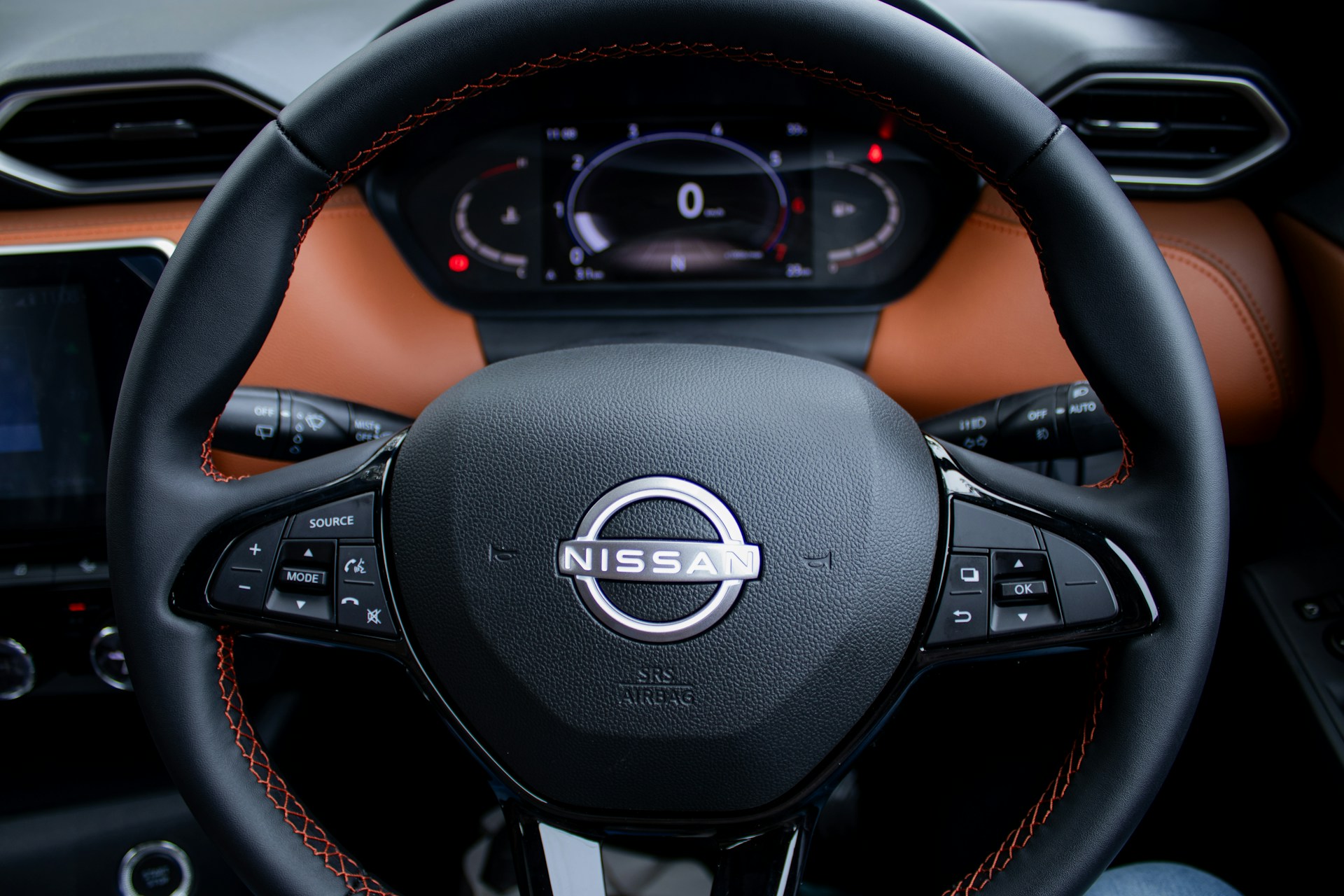
When the battery warning light comes on in your Nissan, it is not just complaining about the 12V battery. That red battery icon is really an alert for the whole charging system, including the alternator, wiring, and belt that drives it. It is your car’s way of saying the electrical system is not keeping up and your vehicle may soon run only on stored battery power.
That is why this light should never be ignored, especially when you are planning longer drives or weekend road trips across Long Island. A charging problem can start small, then suddenly leave you with a dead car on the side of the road. Things feel even more stressful when the battery and brake lights on a Nissan come on together. That mix raises questions about safety, stopping power, and whether it is safe to keep driving. In this article, we will walk through what those lights really mean, what to watch for, and when it is time to get your Nissan checked by a professional.
Why Battery and Brake Lights May Come On Together
Seeing the battery light alone is worrying enough. Seeing the battery and brake lights on a Nissan at the same time can feel scary. The good news is that in many cases, both lights come on because of one root cause in the charging system.
Common reasons both lights can glow together include:
- Failing alternator that is not charging the battery correctly
- Loose, slipping, or broken serpentine belt that drives the alternator
- Low system voltage that confuses brake system sensors
- Bad electrical connection feeding power to several systems
When the alternator starts to fail, the voltage in the car drops. Modern Nissans use many sensors and computers, including in the brake system. If the power supply is weak or unstable, those control units may turn on warning lights to let you know something is wrong, even if the brakes themselves are still mechanically sound. It can look like several systems are failing at once, but the real problem is the weak charging system.
This combo of warning lights becomes an immediate safety concern if you notice any of these signs:
- Headlights dimming or flickering, especially at low speeds
- Steering wheel suddenly feeling heavy or harder to turn
- Brake pedal feeling soft, spongy, or different from usual
- Burning rubber smell that might come from a slipping belt
If you notice these symptoms, the car could lose power steering or power assist for the brakes. In that case, you should treat it as urgent and look for a safe place to pull over before the car loses more power.
Common Nissan Battery Warning Light Causes
Sometimes the battery light is the only one that appears. That does not mean it is a small issue, but it can help narrow down what is going on. Common causes when only the battery light is on include:
- Aging or weak 12V battery that can no longer hold a charge
- Corroded, loose, or damaged battery terminals and cables
- Failing alternator or internal voltage regulator
- Damaged wiring, blown fusible links, or poor ground connections
On Long Island, winters can be harsh on your car. Cold temperatures make the battery work harder every time you start the engine. Road salt and moisture can speed up corrosion on terminals and connections. Long months of using heated seats, rear defrosters, lights, and wipers can put extra strain on the alternator and charging system.
Newer Nissan models have more electronic features than older ones, like driver assist systems, screens, and advanced safety tech. These systems are more sensitive to low voltage. That means your dashboard is more likely to light up early if the battery or charging system starts to get weak, which is good, as long as the warnings are taken seriously.
What to Do When Warning Lights Come on While Driving
If the battery light, or the battery and brake lights on a Nissan, come on while you are driving, it helps to have a simple plan in mind. The goal is to stretch the remaining power and stay safe until you can get the car checked.
First steps if you notice these lights:
- Turn off non‑essential electrical items such as the radio, heated seats, and extra lights
- Avoid hard acceleration and high speeds to reduce load on the engine and alternator
- Watch for changes in steering feel, brake pedal feel, and headlight brightness
- Keep an eye on the temperature gauge in case the belt that drives the water pump is also affected
When is it usually safe to keep driving carefully to a nearby service center? If the car still feels normal to steer and stop, the headlights are bright, and there are no strange smells or noises, you may have some time. In that case, it is often better to head for a trusted service location instead of shutting the car off in a random parking spot where it may not restart.
You should pull over as soon as possible and call for roadside assistance or a tow if:
- Steering suddenly becomes very heavy
- The brake pedal feels soft, sinks too low, or feels very different
- Lights are rapidly dimming, gauges are going wild, or the engine is misfiring
- You hear squealing or smell burning rubber from the front of the engine
On Long Island, some roads have narrow shoulders or no safe place to stop. Try to avoid stopping on busy parkways or near tight curves. Look for a wide shoulder, a rest area, or a well‑lit side street. If your headlights are dimming and it is dark or getting dark, it is usually not a good idea to try to push the car all the way home, since other drivers may have trouble seeing you.
Seasonal Battery Care Tips for Long Island Nissan Drivers
A little care before warm weather trips can prevent a lot of warning light drama. Spring and early summer are great times to check that your charging system is ready for longer drives, heavier AC use, and hotter days.
Helpful maintenance steps include:
- Professional battery load test to see how well it holds a charge
- Charging system test to check alternator output and voltage levels
- Inspection of the serpentine belt for cracks, glazing, or looseness
- Visual check of wiring and connections for signs of damage or corrosion
There are also a few simple things Nissan owners can look for at home:
- White or green crust on battery terminals, which can affect connections
- Battery that moves or shifts if you push it, which means it may not be secured
- Slow cranking when you start the car, especially after it sits overnight
- Interior lights that flicker or dim when you use other electrical features
Professional service can go beyond what you can see under the hood. Trained technicians with the right tools can run computerized checks to spot weak batteries, low alternator output, and early brake system sensors issues before they trigger multiple warning lights on your dash.
Stay Ahead of Dashboard Warnings with Nissan 112
If you have recently seen the battery light, the brake light, or both come on in your Nissan, even if they turned off again, it is still smart to have the car checked. Intermittent lights can be a hint that something is starting to fail and may get worse when you are far from home.
Drivers getting ready for spring and early summer trips around Suffolk County can benefit from a simple pre‑trip safety review that includes the battery, charging system, and brakes. A little time spent now can help you avoid sudden breakdowns, stressful roadside stops, and possible towing later on.
Resolve Your Dashboard Warning Lights With Confidence
If your dashboard suddenly shows both the battery and brake warnings, our Nissan 112 team is ready to help you pinpoint the issue before it becomes a bigger problem. Learn what it means when you see battery and brake lights on a Nissan and let our factory-trained technicians inspect your vehicle. We will walk you through your options, explain any recommended repairs, and keep you informed at every step. If you prefer to speak with a team member directly or schedule a visit, simply contact us.