



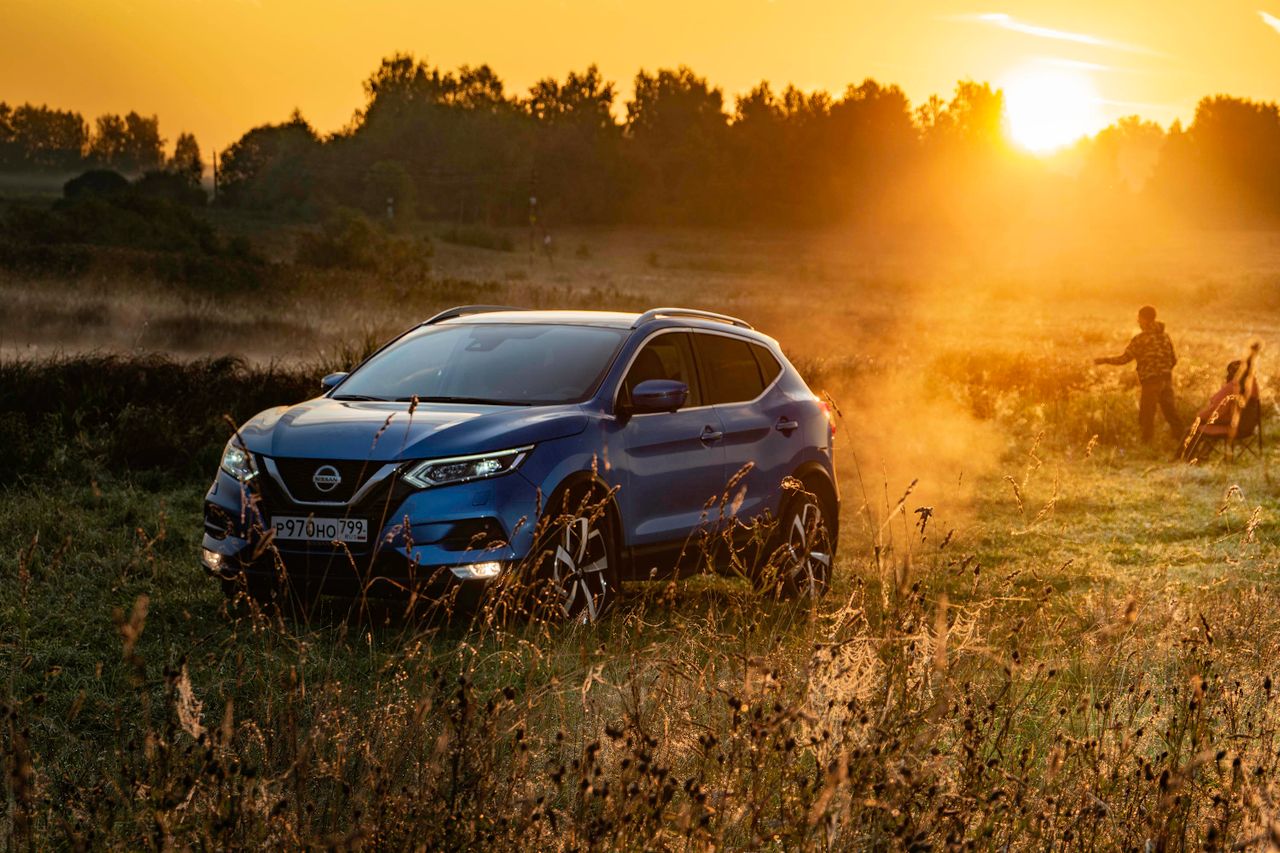
Stop Summer Braking Myths From Ruining Your Drive
Strong brakes matter every day, but they matter even more when the roads are packed and the temperatures are high. Long Island summers mean traffic crawling to the Hamptons, busy weekends on Sunrise Highway, and long stretches on the LIE with sudden slowdowns. In those conditions, your brake system is working hard almost every minute you are behind the wheel.
A lot of local drivers have heard summer brake advice from friends, family, or social media that is simply not correct. Some of these ideas sound harmless, but they can shorten the life of your brakes or put your safety at risk. We want to clear up a few common myths so you can keep your Nissan stopping strong all season long and avoid surprise problems on the road.
How Summer Heat Really Affects Your Brakes
One big myth is that summer heat does not affect your brakes at all. While your brakes are built to handle high temperatures, the way we drive in hot weather can push them harder than you might think.
On Long Island, summer drives often mean:
- Stop-and-go traffic on the LIE and Sunrise Highway
- Long waits at lights near the beaches and shopping areas
- Heavy A/C use that puts extra load on the car
Every time you stop, your brake pads press against the rotors and create friction. That friction turns into heat. When you are braking over and over in traffic, the heat does not have much time to fade away. The parts can stay hot for long stretches.
When brakes stay too hot for too long, a few things can happen:
- Brake fade, where the pedal feels soft and the car does not slow as quickly
- Brake fluid can start to break down over time
- Pads can wear faster than normal
This does not mean your brakes will fail just because it is hot outside. It does mean regular brake checks before and during heavy summer driving are smart. A quick look at pads, rotors, and fluid can catch small problems before they grow into something that ruins your weekend plans.
Why Summer Brake Squeaks Are Not Always “Normal”
Another myth we hear a lot is that brake squeaks in hot weather are nothing to worry about. Warm days and local roads can create some harmless noises, but not every sound is okay to ignore.
Summer can bring:
- Dust and sand from beach trips that stick to brake parts
- Light surface rust on rotors after a rainy night or parking near the water
- Glazing on pads from frequent hard stops in traffic
Some light squeaking right after starting the car, especially after rain or a beach day, might go away after a few stops. That is often just a thin layer of rust or dust getting cleared off. But other sounds can be a warning sign.
Pay attention if you notice:
- A constant high-pitched squeal every time you brake
- Grinding noises that sound rough or metal-on-metal
- Vibration or pulsing in the pedal when slowing down
Those can point to worn pads, rotors that are no longer smooth, or other issues that need attention. Waiting too long can turn a simple brake service into a bigger repair. If the sound keeps coming back, it is better to have a professional check your brakes instead of turning up the radio and hoping it goes away.
Why Passing Inspection Does Not Guarantee Summer-Ready Brakes
Some drivers think that once the car has passed a New York State inspection, the brakes are all set for the year. That inspection is important, but it is really just a snapshot of how the car looked on that one day.
Summer driving on Long Island often looks very different from the rest of the year:
- More road trips, even short ones out east
- More time in stop-and-go beach and shopping traffic
- Heavier loads with extra passengers, coolers, and gear
All of that means more work for your brakes. A system that passed inspection months ago might now be closer to needing service, especially if the pads were already partway worn at the time.
A focused brake service goes deeper than a basic inspection check. A thorough visit can include:
- Measuring pad thickness to see how much life is left
- Checking rotor surfaces for grooves, warping, or heat spots
- Looking at brake fluid condition and level
That kind of closer look helps make sure your braking system is ready for the type of driving you are actually doing now, not just what it handled during a quick inspection visit.
Why All Four Brakes Need Attention
Another common myth is that only the front or only the rear brakes really need to be checked. It is true that on many vehicles, the front brakes often do more of the stopping work. But the rear brakes still play a key role in keeping the car stable and balanced.
Here is why brake care on all four wheels matters:
- Front brakes handle most stopping but rear brakes help keep the vehicle steady
- Worn rear brakes can change how the car feels when you stop
- Focusing on only one end of the car can leave hidden problems on the other
Servicing only the front or only the rear can lead to:
- Pulling to one side when braking
- Vibration in the steering wheel or pedal
- Longer stopping distances in traffic
A full system check looks at all wheels together. That helps keep your braking feel smooth and predictable, which is especially important when traffic is heavy and you may need to stop quickly without warning.
Why Not Every Shop Is the Same for Nissan Brake Service
The last myth is that any shop can handle Nissan brake service exactly the same way. Many places can replace pads and rotors, but there is more to good brake care than just swapping parts.
Modern brake systems work closely with safety features like ABS and stability systems. Correct parts, correct installation, and up-to-date information for your specific model all matter. Details like:
- Using parts made to fit your specific Nissan model
- Following the proper torque patterns and specs
- Choosing brake fluid that meets the right standards
When those details are handled correctly, the system can do its job the way it was intended. That helps your vehicle respond the way you expect when you press the brake pedal, whether you are in slow local traffic or at higher speeds on the parkway.
Taking brake myths out of the picture and focusing on accurate, model-aware care is one of the best ways to keep your Nissan ready for summer driving and beyond.
Restore Confident Stopping Power With Expert Brake Care
Keep your Nissan safe and responsive by scheduling professional brake maintenance with Nissan 112 today. Use our online scheduler to book your Nissan brake service at a time that works for you, and our trained technicians will handle the rest. If you have questions about symptoms you are noticing or which service you need, feel free to contact us for guidance before you come in.