



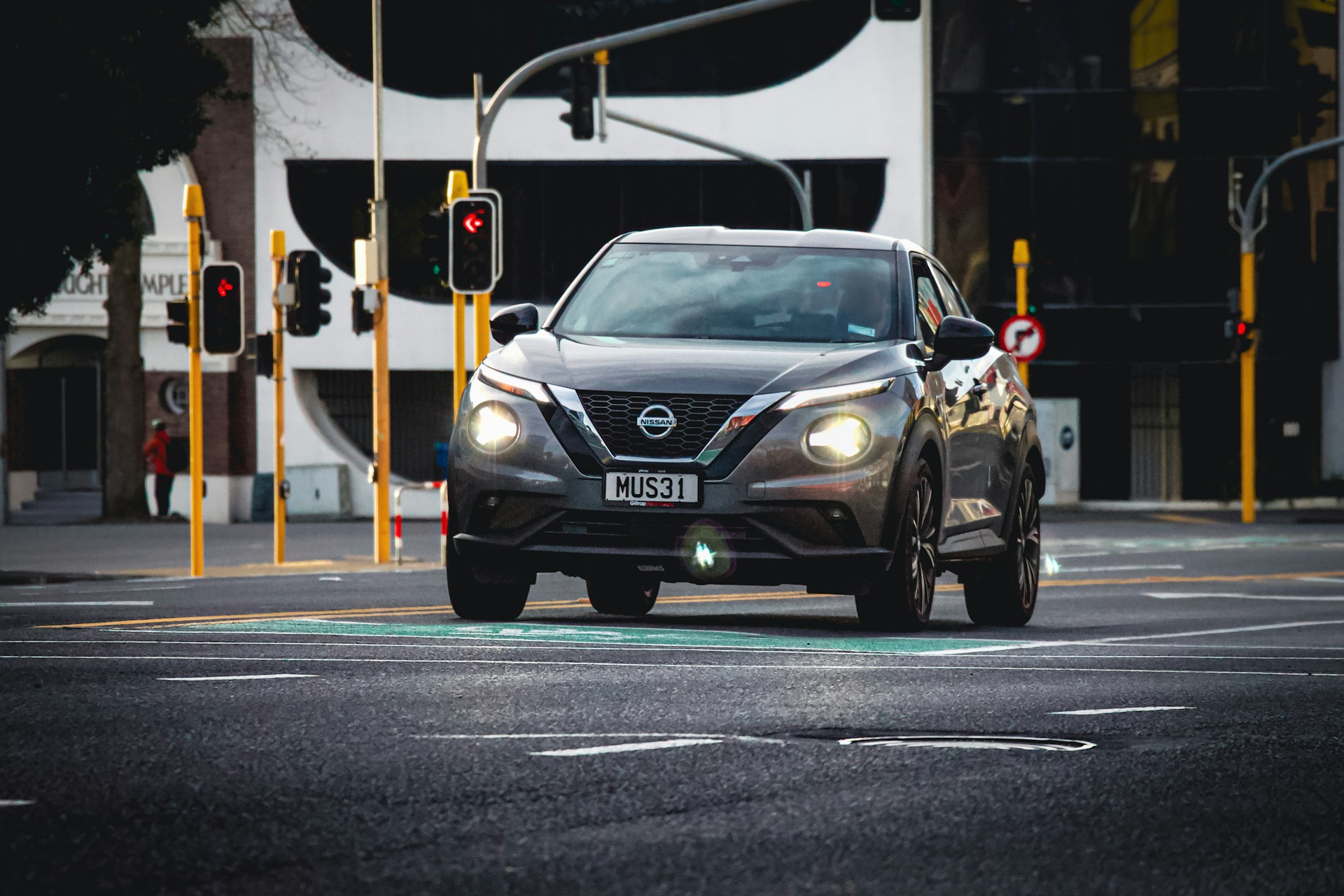
Long Island commuting is tough on cars. From stop-and-go on the LIE and Sunrise Highway to salty winter roads and sandy beach parking lots, your car takes a beating every week. That is why choosing the right used Nissan matters so much if you count on your vehicle to get to work, school, or the train on time.
Buying a used Nissan in Long Island can be a smart way to save money, as long as you know what to inspect before you say yes. A simple checklist that covers mileage, maintenance records, rust, tires, and brakes can protect your safety and your budget. When you mix your own careful inspection with help from trained technicians at a trusted dealership, you can feel confident every time you turn the key.
Know Before You Go: Smarter Used Nissan Shopping
Daily driving on Long Island is not light duty. Many commuters deal with:
- Heavy traffic on the LIE and Sunrise Highway
- Short trips to train stations and offices
- Salt, sand, and coastal air in winter and summer
- Frequent stops for lights, tolls, and crowded exits
All of this puts extra stress on engines, transmissions, brakes, and suspension. So when you look at used Nissan cars in Long Island, you want to be sure the one you choose is ready for that kind of work.
Your checklist should focus on five big areas:
- Mileage and how the car was used
- Maintenance records and service history
- Rust and corrosion, especially under the car
- Tires, including age and wear patterns
- Brakes, both feel and condition
Checking these items helps you avoid surprise repairs and gives you a better sense of long-term comfort and safety. A reputable Nissan dealership can help explain what they see, share history reports, and answer questions about each vehicle's past.
Make Miles Make Sense for Long Island Driving
Many shoppers look at the odometer first, but mileage only tells part of the story. A car that has averaged around 12,000 to 15,000 miles per year and has been serviced regularly can be a strong choice. On the other hand, a car with very low miles but lots of short trips and poor service can be more worn than it looks.
For Suffolk County drivers, how those miles were driven matters a lot. Highway miles, like steady driving on the LIE, are usually easier on a car than constant stop-and-go on local roads. Short hops, cold starts, and idling in traffic can be harder on engines, transmissions, and brakes.
Watch for red flags such as:
- Mileage that does not match past service records
- Very low miles for the age, with heavy interior or pedal wear
- A worn steering wheel or seats that seem older than the odometer
Green flags include: clear records that show yearly mileage adding up in a steady way, and a car that feels and looks like it matches its number of miles.
Do not be shy about asking how the car was used. Was it a daily commuter, a lease return, or a vehicle used for longer trips? The answer can help you guess future reliability and what kind of use the car is best suited for now.
Maintenance Records That Protect Your Commute
Maintenance records are your window into how a car was cared for. On Long Island, where cars deal with all kinds of weather, this is especially important. Regular service is what keeps engines smooth, brakes strong, and fluids fresh.
Key services to look for include:
- Regular oil and filter changes
- Brake inspections and replacements when needed
- Tire rotations and wheel alignments
- Transmission service when recommended
- Coolant and brake fluid changes
- Any recall work listed as complete
Service done at a Nissan dealership will often show up in clear, printed records that list dates, mileage, and the exact work performed. Records from independent shops can be fine too, as long as they are detailed and easy to read.
If you see big gaps in maintenance, missing documents, or only handwritten notes with no receipts, take that as a warning. Poor records can raise questions about hidden wear, and in some cases can affect warranty coverage or the timing of future repairs.
Spotting Rust Before Long Island Winters Strike
Long Island's mix of coastal air and winter road salt can speed up rust, especially on the underside of the car. Rust does not just look bad; it can affect safety if it reaches the frame, brake lines, or suspension parts.
Use a quick visual checklist:
- Look under door seals for bubbling paint or rough edges
- Lift the trunk mat and check the spare tire well for damp spots or rust
- Inspect around the fuel door and lower fenders
- Feel under floor mats for dampness that can lead to corrosion
- If possible, look under the car at the frame, exhaust, and suspension
Surface rust is often light and mostly cosmetic. Structural rust is deeper and can flake, crumble, or create holes. When rust affects key parts like the frame, subframe, or brake lines, it becomes a safety issue and can cause trouble at inspection time.
A professional inspection on a lift makes it much easier to see what is really going on underneath the car. Trained technicians can tell you where rust is normal for the age of the car and where it might be a sign to walk away.
Tires and Brakes That Can Handle Long Island Traffic
In stop-and-go traffic and wet weather, your tires and brakes are your main line of defense. Worn or low-quality tires make it harder to stop, especially on rain-soaked roads. Worn brakes turn every commute into a risk.
When you check tires, pay attention to:
- Tread depth, making sure there is enough left for safe stopping
- Even wear across the tread, not just on one side
- Sidewalls free of cuts, bulges, or cracks
- Matching brands and sizes on all four corners if possible
For brakes, do a few simple checks:
- Listen for squeaks, grinding, or scraping when you slow down
- Feel for vibrations in the steering wheel or pedal under braking
- Notice if the car pulls to one side when you brake
- Ask to see recent brake inspection notes or measurements
If a technician has inspected the car, ask them to explain any brake or tire notes in plain language. That information can help you decide whether to ask for repairs before purchase or move on to a different vehicle.
Turn Your Checklist Into a Confident Test Drive
Once your checklist looks good on paper, it is time to feel how the car drives. Use local streets and nearby highways to get a full picture. On your test drive, pay attention to:
- Acceleration and shifting, smooth or jerky
- Braking response and pedal feel
- Steering straightness, checking if the car drifts or pulls
- Ride comfort over bumps and rough patches
- Cabin noise at city and highway speeds
Try to use the same checklist for every used Nissan you test so you can compare them fairly. That makes it easier to see which one gives you the best mix of comfort, peace of mind, and value for your daily Long Island commute.
When you are ready to look at used Nissan cars in Long Island, a well-inspected inventory, clear history reports, and on-site support from people who understand Suffolk County driving can make the process much easier. With a smart checklist and the right help, you can find a used Nissan that is ready for early morning traffic, late-night returns, and every beach run in between.
Drive Home a Commuter-Ready Nissan With Confidence
If you are ready to put your commuter checklist to work, our team at Nissan 112 can help you compare mileage, service history, and overall condition on a wide range of used Nissan cars in Long Island. We will walk you through tire and brake inspections, rust checks, and test drives so you can feel confident in your daily drive. Have questions about a specific model or financing options? Reach out and contact us to schedule a visit or get personalized recommendations.