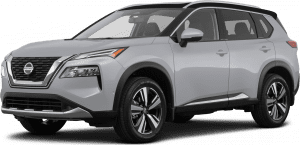




Cold winter temperatures make your Nissan harder to start because the battery loses a significant amount of its cranking power while the engine works harder to turn over due to thickened oil and increased electrical demand. As temperatures drop, winter battery issues, short trips, and cold-weather accessories combine to create the perfect conditions for slow cranking or no-start situations. Understanding why a car battery struggles to start in winter helps drivers prevent breakdowns and protect long-term vehicle reliability in cold weather.
At Nissan 112, we are here to help drivers stay confident behind the wheel all year long. From expert service and genuine Nissan parts to a full lineup of vehicles like the Sentra, Rogue, and Kicks, our team is ready to support all your automotive needs. Contact Nissan 112 today or give us a call to schedule service, explore inventory, or get answers from professionals who know your Nissan inside and out.
Why Won’t My Nissan Start in Cold Weather During Winter 2026?
Cold weather places heavy stress on your Nissan, especially during winter 2026 when freezing mornings are common. Low temperatures reduce battery power while the engine needs more effort to turn. This is why a car battery struggles to start in winter, even when it worked fine days earlier. Many drivers notice this first during early starts or after the vehicle sits overnight. The battery is often the main reason a Nissan will not start in cold weather. Chemical reactions inside the battery slow as temperatures drop. Less power reaches the starter motor. This makes turning the engine harder, especially in compact sedans like the Sentra that rely on efficient electrical systems. Other cold weather factors also play a role in starting problems, including the following:
- Thicker engine oil that resists movement in low temperatures
- Higher power demand from heaters, defrosters, and headlights
- Short winter trips that do not fully recharge the battery
These issues tend to build over time. A weak battery may still start the engine on mild days. Once winter cold sets in, starting problems become clear. Paying attention to early warning signs can help prevent being stranded on a cold morning.
How Does Cold Weather Affect My Car Battery’s Ability to Start the Engine?
Cold weather has a direct impact on how well a car battery can start the engine. As temperatures drop, the battery produces less power while the engine needs more energy to turn. This is a major reason drivers ask, why won’t cars start in cold weather 2026, even when the vehicle runs fine in warmer months. The problem often shows up after the car sits outside overnight. Battery power depends on chemical reactions inside the cells. Cold air slows these reactions. The result is lower voltage sent to the starter. In larger vehicles like the Rogue, this loss of power can be more noticeable due to higher starting demands. Several cold weather factors reduce battery performance:
- Slower chemical activity inside the battery
- Increased resistance from thick engine oil
- Higher electrical load during startup
A weak battery may still work in mild weather. Cold mornings expose its limits. Regular battery checks help prevent sudden no-start situations during winter.
Why Do Winter Battery Issues Cause Slower or Failed Engine Cranking?
Winter battery issues often lead to slow or failed engine cranking. Cold air lowers battery output while the starter needs more power. When voltage drops too low, the engine cannot turn fast enough to start. Drivers may hear slow clicks or long cranking sounds. The starter motor relies on steady battery power to spin the engine. In cold weather, that power may not be there. Small crossovers like the Kicks still need strong voltage to start cleanly. Even a slight battery drop can cause trouble. Several factors make cranking problems worse in winter:
- Reduced battery charge from cold temperatures
- Extra strain from thick engine oil
- Power loss from lights, heat, and defrosters
Cranking issues often start small. One slow start can turn into a no start day. Early battery testing helps avoid winter breakdowns.
Can Thickened Engine Oil Make My Nissan Harder to Start in Freezing Temperatures?
Yes, thickened engine oil can make a Nissan harder to start in freezing temperatures. Cold air causes oil to thicken and move slower through the engine. This adds drag and makes the starter work harder. The extra strain can drain an already weak battery. Cold starts demand more effort from every engine part. Vehicles like the Sentra rely on smooth oil flow to reduce friction. When oil moves slowly, the engine turns slower. This increases the chance of a failed start. Helpful cold weather battery tips often focus on oil choice and care:
- Use the correct oil grade for winter driving
- Change oil on schedule before cold seasons
- Choose oil that flows well in low temperatures
Good oil helps protect the engine and battery. It also supports faster starts on cold mornings.
How Do Fuel System Problems Contribute to Cold Weather Starting Trouble?
Fuel system problems can add to cold weather starting trouble. Cold air changes how fuel mixes with air during startup. If the mix is off, the engine may crank longer or fail to fire. This can feel similar to battery starting problems winter drivers often expect. Moisture is another concern in cold weather. Water can build up in fuel lines over time. When temperatures drop, that moisture may freeze and restrict fuel flow. In vehicles like the Rogue, steady fuel delivery is key for smooth starts. Common fuel related issues in winter include:
- Poor air and fuel balance during cold starts
- Frozen moisture inside fuel lines
- Dirty fuel parts that limit flow
Fuel issues often show up with battery strain. Together, they make cold starts harder. Proper care helps reduce winter no start risks.
Why Does Using Heaters and Defrosters Make Winter Starting More Difficult?
Heaters and defrosters pull power from the battery during startup. In cold weather, the battery is already weak. This is why a car battery struggles to start in winter, especially when many systems turn on at once. The starter may not get enough power to crank the engine. Cold mornings increase the need for comfort features. Lights, fans, and seat heat all draw current. Small vehicles like the Kicks still rely on strong voltage at startup. Too much draw can delay or stop ignition. Common power drains during winter starts include:
- Cabin heater and blower motor
- Rear window defroster
- Headlights and interior lights
Turning off extra systems before starting can help. Waiting a short time before turning them on reduces strain. This simple habit supports better winter starts.
Can Short Winter Trips Prevent My Nissan Battery From Recharging Properly?
Yes, short winter trips can stop a battery from recharging fully. Starting the engine uses a large amount of power. The alternator needs time to replace that energy. Without it, drivers may wonder, why won’t cars start cold weather 2026, even after recent use. Cold weather makes this problem worse. Batteries charge slower in low temperatures. Short drives do not allow enough run time. In sedans like the Sentra, this pattern can slowly drain the battery. Common signs of poor winter charging include:
- Slow engine cranking after short trips
- Dim lights during startup
- Warning lights that appear briefly
Longer drives help restore charge. Reducing short trips can support better winter starts.
How Do Cold Weather Battery Tips Help Prevent Starting Problems in Winter?
Cold weather battery tips help reduce strain during winter starts. Simple steps can limit power loss and improve engine response. This is important because winter battery issues often build over time. Early care helps prevent sudden no start days. Cold conditions place extra demand on the battery and starter. Vehicles like the Rogue need steady power for clean starts. Good habits support better charge and longer battery life. Small changes can make a big difference. Helpful winter battery tips include:
- Test the battery before cold weather begins
- Keep battery terminals clean and tight
- Limit power use during startup
These steps support steady voltage. They also reduce stress on key systems. Consistent care helps avoid winter starting trouble.
When Should a Nissan Battery Be Tested or Replaced for Winter Reliability?
A Nissan battery should be tested before winter sets in. Cold air reveals weak batteries fast. Testing helps confirm if enough power remains for cold starts. This step is one of the most helpful cold weather battery tips. Most car batteries last three to four years. Age alone can lower cold start power. Smaller vehicles like the Kicks still need strong voltage to start. Waiting too long raises the risk of a no start morning. Battery testing or replacement is wise if you notice:
- Slow cranking during cold starts
- Dim lights when starting the engine
- A battery older than three years
Early testing helps avoid surprise failures. Replacing a weak battery supports winter reliability.
Does Switching to Synthetic Oil Improve Cold Weather Starting Performance?
Yes, switching to synthetic oil can improve cold weather starting performance. Synthetic oil flows faster in low temperatures. This reduces engine drag during startup. Less drag helps limit battery starting problems winter drivers face. Cold oil can act thick and slow. Synthetic blends resist thickening better than standard oil. Vehicles like the Sentra benefit from smoother engine movement. This allows the starter to turn the engine with less effort. Benefits of synthetic oil in winter include:
- Faster oil flow during cold starts
- Reduced strain on the starter and battery
- Better engine protection in low temperatures
Proper oil choice supports easier starts. It also helps extend engine life.
How Can Reducing Electrical Load Improve Winter Startup Success?
Reducing electrical load helps the battery focus on starting the engine. In cold weather, power is limited. This is why a car battery struggles to start in winter when many systems run at once. Less demand means more power for cranking. Every active feature draws current during startup. Fans, lights, and seat heat add strain. Vehicles like the Rogue need steady voltage to start clean. Cutting extra load can improve success. Helpful ways to reduce electrical load include:
- Turn off lights before shutting off the engine
- Wait to use heaters until after startup
- Unplug unused devices
These steps support stronger starts. They also help protect battery life during winter.
Why Does Parking in a Garage Make a Big Difference During Winter?
Parking in a garage helps protect your vehicle from extreme cold. Even a small rise in temperature helps the battery hold more power. This can reduce moments when drivers ask, why won’t cars start cold weather 2026, after a freezing night. Warmer air supports easier starts. Cold exposure affects many engine parts. Oil stays thinner in warmer spaces. Batteries also perform better when not fully frozen. Vehicles like the Kicks benefit from this added protection. Garage parking helps by:
- Reducing battery power loss overnight
- Keeping engine oil from thickening too much
- Limiting frost on key engine parts
A garage does not need to be heated. Basic shelter still helps. This simple habit supports winter reliability.
What Are Common Signs My Nissan Sentra, Rogue, or Kicks Is Struggling With Winter Starts?
Winter starting trouble often shows warning signs early. These signs point to winter battery issues or added engine strain. Catching them early can help prevent a no start morning. Many drivers notice changes before total failure. Cold starts should feel smooth and quick. When something is wrong, the engine response changes. Vehicles like the Sentra may show signs sooner during freezing weather. Paying attention matters. Common signs of winter start problems include:
- Slow or uneven engine cranking
- Clicking sounds when turning the key
- Dim dash lights during startup
- Warning lights that turn off after starting
These symptoms often get worse over time. Early checks help protect the battery. Prompt care supports reliable winter driving.
How Can Professional Nissan Service Help Diagnose Winter Starting Issues?
Professional Nissan service can identify winter starting problems quickly. Technicians use specialized tools to test the battery, starter, and charging system. This helps prevent unexpected breakdowns during cold mornings. Following cold weather battery tips can improve results and battery life. Vehicles like the Rogue benefit from full system checks. Experts can spot weak batteries, worn connections, or frozen components before they cause trouble. Early diagnosis reduces risk of a no-start situation. Services that help prevent winter start issues include:
- Battery load and voltage testing
- Starter and alternator inspection
- Cleaning and tightening battery terminals
- Checking engine oil and fluid levels
Regular professional checks give drivers confidence. They ensure the vehicle starts reliably even in the coldest weather.
What Steps Can Nissan Owners Take Now to Avoid Cold Weather Starting Problems?
Nissan owners can take several steps now to avoid cold weather starting problems. Early action reduces stress on the battery and starter. Vehicles like the Kicks perform best when prepared for winter. Following simple habits can prevent unexpected delays on freezing mornings. Focusing on battery health is key. Weak batteries often show signs before failing completely. Regular checks and maintenance help limit battery starting problems winter drivers face. Helpful steps to improve winter starts include:
- Test or replace the battery if it is old or weak
- Use the proper oil for winter conditions
- Limit electrical load when starting the car
- Park in a garage or sheltered space
Take slightly longer drives to fully recharge the battery Consistent care and preparation make cold mornings less stressful. These steps support reliable starts and protect your Nissan all winter.
Frequently Asked Questions: Nissan Starting Issues in Winter or Cold Weather
Many drivers experience frustration when their car struggles to start in cold weather. Understanding how cold affects the battery and what steps to take can prevent winter breakdowns. Here are answers to common questions about winter battery issues.
Why does my car battery struggle to start in cold winter weather?
A car battery struggles in cold weather because low temperatures slow the chemical reactions inside, reducing the battery’s power to turn the engine over. Thickened engine oil and higher electrical demands also increase starting difficulty.
How does cold temperature affect a car battery’s ability to start the engine?
Cold temperatures lower the battery’s voltage output while increasing resistance in the engine and starter. This makes it harder for the engine to crank and start properly.
Are certain types of batteries more resistant to winter starting issues?
Yes, batteries with higher Cold Cranking Amps (CCA) or those designed for cold climates maintain power better and resist voltage drops in freezing temperatures.
What signs indicate my battery is failing in cold weather?
Common signs include slow or uneven engine cranking, clicking sounds when turning the key, dim dashboard lights, and warning lights that appear briefly during startup.
How can I prevent battery starting problems during the winter months?
Preventative steps include testing or replacing an old battery, keeping terminals clean, limiting electrical load at startup, using proper winter oil, parking in a garage, and taking slightly longer drives to fully recharge the battery.
Keep Your Nissan Ready for Winter and Explore Our Vehicles
Keeping your Nissan running well in cold months takes more than just starting the engine. Drivers in Patchogue, Bellport, Gordon Heights, and Lake Grove can benefit from tips on winter care. Whether you’re browsing a Sentra, Rogue, or Kicks, Nissan 112 has the vehicles and advice you need. Want to avoid winter surprises? Check out our guide on winterizing your Nissan for simple steps to protect your car from snow, ice, and freezing temps. Upgrading key components can make a big difference,learn more in our post on fitting new parts your Nissan needs for winter. Regular maintenance is also key. Our methods to maintain your Nissan’s performance in winter show easy ways to keep your car safe and reliable. Stop by Nissan 112 today to explore our inventory, schedule a service, or talk with our experts. With the right care, your Nissan can handle any winter road with confidence.
Contact Nissan 112
Get Directions to Nissan 112
Disclaimer: All information is provided for general informational and entertainment purposes only. While we strive for accuracy, we cannot guarantee that all content is complete, current, or error-free. Any reliance you place on such information is strictly at your own risk. This article may include opinions and is not endorsed by, or officially affiliated with, any vehicle manufacturer or brand. Always consult official sources – such as the vehicle’s owner’s manual, authorized dealerships, or certified professionals – for the most up-to-date and personalized information.